

Understanding Dog Intestinal Blockage: Causes, Symptoms, Treatment and Recovery Timeline
December 22, 2023 | by seniorsniffs.com


Welcome to our blog post on understanding dog intestinal blockage. If you are a dog owner, it’s important to be aware of the potential risks and complications that can arise from intestinal blockage in your furry friend. In this article, we will explore the causes, symptoms, treatment options, and recovery timeline associated with this condition.
Intestinal blockage occurs when a foreign object or material obstructs the dog’s gastrointestinal tract, preventing the normal flow of food and fluids. This can occur for a variety of reasons, including the ingestion of non-food items, such as toys, bones, rocks, or even clothing. Understanding the causes of intestinal blockage is crucial in order to prevent it from happening to your beloved pet.
We will discuss common objects that can cause blockage, how dogs ingest these objects, and the risk factors that make certain dogs more prone to developing this condition. By being aware of these factors, you can take proactive steps to keep your dog safe and prevent them from ingesting harmful substances.
Recognizing the symptoms of intestinal blockage is vital for early detection and prompt treatment. We will delve into the physical symptoms, such as vomiting, diarrhea, abdominal pain, and loss of appetite, as well as behavioral changes like restlessness or lethargy. Additionally, we will provide a timeline of when these symptoms typically present themselves, helping you identify potential blockage sooner.
Once diagnosed, treatment for intestinal blockage may involve various procedures, such as X-rays, ultrasounds, or endoscopy, to locate and remove the obstruction. We will explore the different treatment options available, including surgery, medication, or a combination of both. Furthermore, we will discuss the importance of post-treatment care to ensure a smooth recovery for your dog.
Understanding the recovery process and timeline is crucial for managing your dog’s post-treatment period. We will examine the immediate post-treatment period, including pain management, fluid therapy, and monitoring for any complications. Additionally, we will discuss the long-term recovery and care required for your dog to regain their normal gastrointestinal function.
Throughout the article, we will touch upon possible complications that may arise during the recovery process and provide insight into the prognosis for dogs who have experienced intestinal blockage. By understanding the potential risks, you can be prepared and take appropriate action if necessary.
In conclusion, preventing intestinal blockage in dogs is a key responsibility for every pet owner. By understanding the causes, recognizing the symptoms, seeking prompt treatment, and following the appropriate recovery timeline, you can ensure the well-being and long-term health of your furry companion. Stay tuned for our upcoming sections where we will delve deeper into each aspect of this topic, providing you with the knowledge to keep your dog safe and healthy.
Introduction: What is Dog Intestinal Blockage?
Dog intestinal blockage refers to the condition where a foreign object or material obstructs the gastrointestinal tract of a dog, impeding the normal passage of food and fluids. It is a serious health concern that can lead to various complications if not promptly addressed.
The gastrointestinal tract of a dog consists of the esophagus, stomach, small intestine, and large intestine (colon). When an object or material becomes lodged within any part of this tract, it can disrupt the normal digestive process and cause a blockage.
Intestinal blockage can occur for a variety of reasons. Dogs are curious animals and may accidentally ingest non-food items such as toys, bones, rocks, fabric, or even household objects. These objects can become stuck in the dog’s digestive system, leading to a blockage.
Understanding the causes of intestinal blockage is important to prevent such incidents from happening. By being aware of the potential hazards and taking precautions, dog owners can minimize the risk of their pets ingesting harmful objects.
In the following sections, we will delve deeper into the causes, symptoms, treatment options, and recovery timeline associated with dog intestinal blockage. By gaining a comprehensive understanding of this condition, you will be better equipped to recognize the signs, seek appropriate medical attention, and ensure the well-being of your beloved canine companion.
Causes of Intestinal Blockage in Dogs
Intestinal blockage in dogs can have various causes, ranging from the ingestion of foreign objects to underlying medical conditions. Understanding these causes is essential in order to prevent such blockages and keep your dog safe. In this section, we will explore the common objects that can cause blockage, how dogs ingest these objects, and the risk factors that increase the likelihood of intestinal blockage.
Common Objects that Cause Blockage
Dogs are naturally curious and may chew, swallow, or play with objects that can potentially lead to intestinal blockage. Some common objects that can cause blockage include:
-
Toys: Small toys, balls, or squeaky toys can be easily swallowed and become lodged in the dog’s gastrointestinal tract.
-
Bones: While bones are a popular treat for dogs, certain types of bones, especially cooked or small bones, can splinter and cause blockages.
-
Rocks or Pebbles: Dogs may ingest rocks or pebbles while playing or exploring their surroundings, leading to blockages.
-
Clothing or Fabric: Dogs may chew on or swallow pieces of clothing, towels, or other fabric, which can obstruct the digestive system.
-
Household Objects: Items such as socks, gloves, plastic bags, or even rubber bands can inadvertently be swallowed by dogs, causing blockages.
How Dogs Ingest These Objects
Dogs may ingest these objects in various ways. Some can be swallowed while playing or chewing, while others may be accidentally ingested while scavenging or exploring their environment. Additionally, dogs with a habit of indiscriminate eating, known as pica, are at a higher risk of ingesting foreign objects and developing intestinal blockage.
Risk Factors for Intestinal Blockage
Certain factors can increase a dog’s susceptibility to developing intestinal blockage. These risk factors include:
-
Age: Young puppies and older dogs may be more prone to ingesting foreign objects due to their curious nature or dental issues.
-
Breed: Some dog breeds, such as Labrador Retrievers and Golden Retrievers, are known to have a higher tendency to swallow objects.
-
Behavior: Dogs with a history of indiscriminate eating or pica are at a higher risk of ingesting foreign objects and experiencing intestinal blockage.
-
Environment: Dogs who have access to areas with potential hazards, such as a backyard with rocks or an environment with small objects, are more likely to encounter objects that can cause blockage.
By understanding the common objects that can cause blockage, how dogs ingest them, and the risk factors involved, dog owners can take proactive measures to prevent their pets from ingesting harmful substances and reduce the chances of intestinal blockage.
Recognizing the Symptoms of Intestinal Blockage
Recognizing the symptoms of intestinal blockage in dogs is crucial for early detection and prompt treatment. In this section, we will explore the physical symptoms, behavioral changes, and the timeline of symptom onset that can help dog owners identify potential blockages.
Physical Symptoms
-
Vomiting: Dogs with intestinal blockage may experience persistent vomiting, which can be frequent and sometimes accompanied by the presence of undigested food or bile.
-
Diarrhea: Blockage in the gastrointestinal tract can lead to diarrhea, which may contain blood or mucus. The consistency of the stool may vary, ranging from loose to completely liquid.
-
Abdominal Pain and Distention: Dogs may exhibit signs of discomfort or pain in the abdominal area, often manifested through restlessness, pacing, or reluctance to lie down. The abdomen may appear swollen or distended.
-
Loss of Appetite: Dogs with intestinal blockage may show a sudden decrease or complete loss of appetite.
-
Dehydration: Blockage can disrupt the normal absorption of water and nutrients, leading to dehydration. Signs of dehydration include dry gums, sunken eyes, and lethargy.
Behavioral Changes
-
Restlessness: Dogs in pain or distress due to intestinal blockage may exhibit restlessness, pacing, or an inability to find a comfortable position.
-
Lethargy: Blockage can cause dogs to become lethargic or weak, showing a lack of energy or enthusiasm for activities they once enjoyed.
-
Changes in Elimination Habits: Dogs may experience changes in their urination or defecation patterns, such as decreased frequency or difficulty passing stool.
-
Behavioral Depression: Dogs with intestinal blockage may display signs of depression, including withdrawal, decreased interest in their surroundings, or a lack of enthusiasm for social interaction.
Timeline of Symptoms’ Onset
The timeline for the onset of symptoms can vary depending on the location and severity of the blockage. However, it is important to note that early signs of intestinal blockage may be subtle and easily overlooked. As the blockage persists, the symptoms typically become more pronounced over time.
In some cases, dogs may initially exhibit mild symptoms such as intermittent vomiting or mild abdominal discomfort. However, as the blockage worsens, the symptoms can progress to frequent vomiting, severe abdominal pain, and dehydration.
By being observant of any changes in your dog’s behavior, appetite, elimination patterns, and physical appearance, you can detect the potential signs of intestinal blockage and seek veterinary care promptly. Remember, early intervention can greatly improve the chances of successful treatment and recovery.
Treatment for Dog Intestinal Blockage
When it comes to the treatment of dog intestinal blockage, prompt veterinary intervention is crucial. In this section, we will explore the diagnostic procedures used to identify the blockage, the various treatment options available, and the importance of post-treatment care.
Diagnostic Procedures
-
Physical Examination: The veterinarian will perform a thorough physical examination of your dog, assessing their vital signs, abdomen, and overall condition.
-
Imaging Tests: X-rays or abdominal ultrasounds may be conducted to visualize the location and extent of the blockage. These imaging tests can help determine the best course of action.
-
Endoscopy: In some cases, an endoscope may be used to directly visualize the blockage and potentially remove it without the need for surgery. This minimally invasive procedure involves inserting a flexible tube with a camera into the dog’s gastrointestinal tract.
Treatment Options
-
Non-Surgical Intervention: If the blockage is identified early and located in a position where it can be safely removed, non-surgical intervention may be attempted. This can involve the use of endoscopy or other techniques to retrieve or dislodge the obstructing object.
-
Surgery: In cases where non-surgical intervention is not possible or unsuccessful, surgical treatment may be necessary. The surgeon will perform an exploratory laparotomy to access the gastrointestinal tract, locate the blockage, and remove it. Surgery may also be required if the blockage has caused any damage to the intestinal tissue.
Post-Treatment Care
-
Medication: Your veterinarian may prescribe medication, such as antibiotics or pain relievers, to aid in the healing process and manage any discomfort or infection.
-
Restricted Diet: Following treatment, your dog may need a period of restricted or modified diet to give the gastrointestinal tract time to heal. Your veterinarian will provide specific dietary guidelines based on your dog’s condition and needs.
-
Monitoring: Regular follow-up visits and monitoring of your dog’s progress will be necessary to ensure proper healing and to address any complications that may arise during the recovery process.
-
Preventive Measures: It is important to take preventive measures to avoid future intestinal blockages. This may involve keeping hazardous objects out of your dog’s reach, providing appropriate toys and chews, and supervising their playtime.
It is essential to follow your veterinarian’s recommendations and instructions regarding the treatment and post-treatment care for your dog’s intestinal blockage. By doing so, you can promote a successful recovery and minimize the risk of complications. Remember, each case is unique, and the treatment approach may vary depending on the severity and location of the blockage.
Recovery Process and Timeline
The recovery process for a dog with intestinal blockage can vary depending on several factors, including the severity of the blockage, the type of treatment administered, and the overall health of the dog. In this section, we will explore the immediate post-treatment period, long-term recovery and care, as well as potential complications and the prognosis for dogs recovering from intestinal blockage.
Immediate Post-Treatment Period
-
Hospitalization: In some cases, dogs may need to remain hospitalized for a period of time after surgery or a non-surgical intervention. This allows for close monitoring of their condition and ensures they receive proper post-operative care.
-
Pain Management: Dogs may experience discomfort or pain following treatment. Your veterinarian may prescribe pain medications or recommend other methods of pain management to keep your dog comfortable during the recovery process.
-
Fluid Therapy: Fluid therapy may be administered to address dehydration and help restore electrolyte balance in dogs that experienced vomiting or diarrhea due to the blockage.
-
Restricted Activity and Rest: Dogs will typically need a period of rest and limited physical activity to allow for proper healing. This may involve confinement to a small, quiet area or the use of a crate to prevent excessive movement.
Long-Term Recovery and Care
-
Follow-Up Veterinary Visits: Regular follow-up visits with your veterinarian are crucial to monitor your dog’s progress and ensure that they are healing properly. These visits may involve physical examinations, blood work, or imaging tests to track the dog’s recovery.
-
Dietary Adjustments: Your veterinarian may recommend a specialized diet or feeding plan during the recovery period. This could include easily digestible foods or a gradual reintroduction of regular food. It is important to follow these dietary guidelines to avoid any further complications.
-
Gradual Return to Normal Activity: As your dog’s condition improves, your veterinarian will provide guidance on gradually increasing their activity level. It is important to follow these instructions to prevent any strain on the healing gastrointestinal tract.
Possible Complications and Prognosis
-
Infection: Infections can occur following surgery or due to damage caused by the blockage. It is important to monitor for signs of infection, such as increased pain, swelling, or discharge, and notify your veterinarian if any concerns arise.
-
Perforation or Tissue Damage: In severe cases, the blockage may cause damage to the intestinal tissue. This can lead to perforation, which requires immediate medical attention. The prognosis for dogs with tissue damage depends on the extent of the injury and promptness of treatment.
-
Prognosis: The prognosis for dogs recovering from intestinal blockage can vary depending on several factors, including the underlying cause, the promptness of treatment, and the overall health of the dog. With proper treatment and post-operative care, many dogs can make a full recovery and go on to lead a normal, healthy life.
It is important to closely follow your veterinarian’s instructions for post-treatment care, attend all follow-up appointments, and monitor your dog for any signs of complications. By providing the necessary care and attention, you can help ensure a successful recovery for your furry friend.
Conclusion: Preventing Intestinal Blockage in Dogs
Preventing intestinal blockage in dogs is crucial for their overall health and well-being. In this section, we will summarize the key points discussed throughout this blog post and provide important tips for preventing intestinal blockage in your furry friend.
-
Keep Hazardous Objects Out of Reach: Be mindful of the objects that can pose a risk to your dog’s health. Keep small toys, bones, rocks, clothing, and other potential hazards out of their reach.
-
Supervise Playtime: When playing with your dog, closely supervise them to prevent them from ingesting objects that could cause blockage. Avoid giving them toys that are easily destructible or have small parts that can be chewed off and swallowed.
-
Provide Safe Chew Toys: Offer your dog appropriate chew toys that are durable and designed for their size and chewing habits. This can help satisfy their natural urge to chew without the risk of ingestion.
-
Train and Discourage Indiscriminate Eating: Teach your dog the “leave it” and “drop it” commands to prevent them from picking up and swallowing objects that they come across during walks or playtime. Discourage behaviors like scavenging or eating non-food items.
-
Maintain a Clean Environment: Ensure that your dog’s living environment is free from potential hazards. Regularly check and remove any small objects, toxic substances, or plants that may be within their reach.
-
Properly Dispose of Garbage: Secure your garbage cans to prevent your dog from accessing potentially harmful objects or food scraps that could lead to blockage.
-
Be Mindful of Their Diet: Feed your dog a well-balanced diet that meets their nutritional needs. Avoid feeding them bones, especially cooked bones that can splinter and cause blockage.
-
Regular Veterinary Check-ups: Schedule regular check-ups with your veterinarian to monitor your dog’s overall health and discuss any concerns you may have regarding their behavior or potential risks of intestinal blockage.
By following these preventive measures, you can significantly reduce the risk of your dog experiencing intestinal blockage. Remember, early detection and prompt treatment are crucial in ensuring a positive outcome for your dog’s health. If you suspect that your dog may have ingested a foreign object or is showing symptoms of intestinal blockage, seek immediate veterinary attention.
Your dog’s health and well-being depend on your vigilance and proactive efforts to prevent intestinal blockage. By providing a safe environment and promoting responsible pet ownership, you can help your furry companion live a happy, healthy, and blockage-free life.
RELATED POSTS
View all

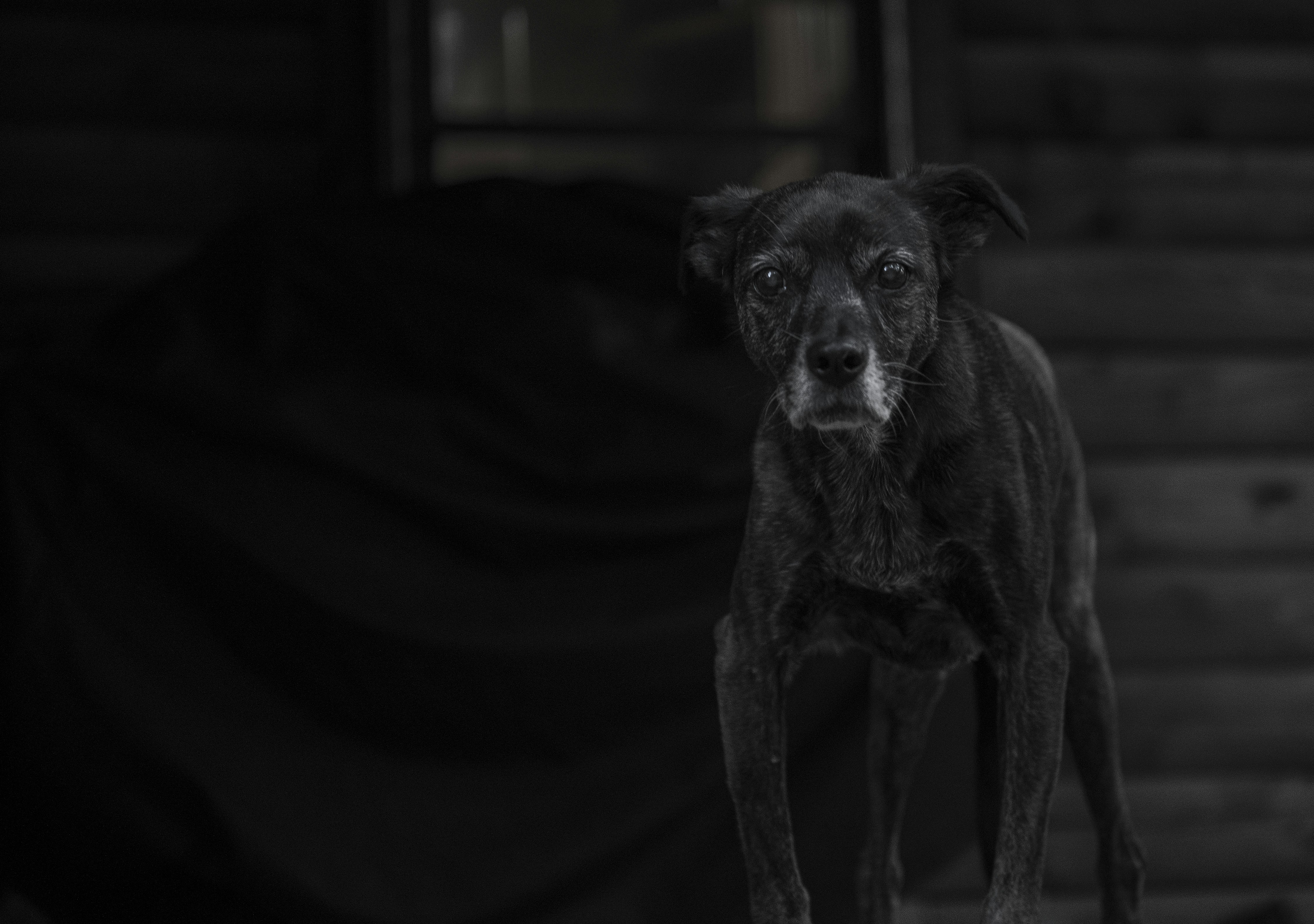 Photo by Robin Jonathan Deutsch on Unsplash
  Photo by Jasmin Chew on Unsplash
Trazodone for Dogs: Usage, Dosage, Side Effects, and Precautions
December 22, 2023 | by seniorsniffs.com