Fish Oil for Dogs: Benefits, Dosage by Weight, and What the Research Actually Shows
Fish oil is the most studied supplement in veterinary medicine, and for good reason. The omega-3 fatty acids it delivers, primarily EPA and DHA, play a measurable role in managing inflammation, supporting cognitive function, and protecting cardiovascular health in dogs. But the gap between what fish oil can do and what most owners actually achieve with it comes down to two things: the right form, and the right dose. This guide walks through both, grounded in the peer-reviewed evidence rather than marketing claims, with specific attention to senior dogs where the benefits are most pronounced.
Quick answer: Is fish oil good for dogs? Yes. Fish oil is well-supported by veterinary research for joint health, skin and coat condition, cardiovascular function, and cognitive support in senior dogs. The active compounds, EPA and DHA, exert anti-inflammatory effects throughout the body. The critical caveat is dosing: the EPA+DHA content (not total oil volume) must match your dog’s weight, and therapeutic doses for conditions like osteoarthritis are substantially higher than general maintenance amounts.
What Fish Oil Actually Is
Fish oil is a marine-derived source of long-chain omega-3 fatty acids, specifically eicosapentaenoic acid (EPA) and docosahexaenoic acid (DHA). These are not interchangeable nutrients. They serve different biological functions, and the ratio of EPA to DHA in a product matters depending on what you’re trying to address.
EPA is primarily anti-inflammatory. It competes with arachidonic acid in cell membranes, dampening the inflammatory cascade that drives joint pain, skin irritation, and tissue damage. DHA is structural. It is the dominant fatty acid in brain tissue and the retina, which is why it carries weight in discussions of cognitive function, neurological development, and vision.
A common question is whether plant-based omega-3s, like flaxseed oil containing alpha-linolenic acid (ALA), can serve the same purpose. The short answer is no, not effectively. Dogs convert ALA to EPA and DHA at extremely low rates, generally under 10 percent. This is why marine-sourced fish oil remains the practical standard. The conversion bottleneck means that to deliver meaningful EPA and DHA, you need a source that contains them directly.
| Fatty Acid | Primary Function | Best For |
|---|---|---|
| EPA (eicosapentaenoic acid) | Anti-inflammatory; modulates immune response and reduces prostaglandin production | Osteoarthritis, allergic skin disease, inflammatory conditions, cardiovascular support |
| DHA (docosahexaenoic acid) | Structural component of brain, retina, and nervous system tissue | Cognitive function in senior dogs, vision support, neurological health, puppy development |
What the Evidence Shows: Benefits of Fish Oil for Dogs
Fish oil is one of the few supplements where the veterinary literature is genuinely robust. Here is what the research actually demonstrates, organized by clinical application.
Joint Health and Arthritis
The strongest evidence for fish oil in dogs is in osteoarthritis. A landmark dose-titration study published in the Journal of the American Veterinary Medical Association evaluated 177 dogs with hip or stifle osteoarthritis across three escalating dose tiers of EPA and DHA. The finding was instructive: only the highest dose tier, approximately three times the baseline therapeutic dose, produced measurable improvements in lameness scores. Lower doses showed minimal clinical effect. This is one of the clearest examples in veterinary supplementation of why dose matters more than presence.
A separate randomized controlled trial on omega-3 supplementation in osteoarthritic dogs confirmed improvements in weight-bearing and owner-assessed pain scores when adequate doses were used. The mechanism is well-understood: EPA-derived metabolites compete with inflammatory prostaglandins produced from arachidonic acid, reducing the inflammatory load on synovial tissue. For owners managing a senior dog with joint issues, we suggest pairing this guidance with our broader piece on arthritis in dogs, which covers the full management picture.
Skin and Coat
The evidence here is consistent and clinically observable, often within four to eight weeks of starting supplementation. Omega-3s integrate into skin cell membranes, where they modulate the inflammatory response of the skin barrier. For dogs with allergic dermatitis, atopic skin disease, or simply dull coats, fish oil reduces itching, improves coat sheen, and helps restore barrier function. The improvement is not cosmetic. A healthier skin barrier means fewer secondary infections and less reliance on pharmaceutical anti-inflammatories.
Heart Health
EPA reduces serum triglycerides, a benefit documented across both human and veterinary cardiology literature. In dogs with dilated cardiomyopathy and certain arrhythmias, omega-3 supplementation has been associated with reduced muscle wasting (cardiac cachexia) and improvements in arrhythmia frequency. The American College of Veterinary Internal Medicine has noted fish oil as a supportive intervention in select cardiac patients, though it is not a substitute for cardiac medications.
Cognitive Function
DHA’s role in the brain is structural and lifelong. It is the most abundant omega-3 in neuronal membranes and is essential for synaptic function. In senior dogs showing signs of cognitive dysfunction syndrome (disorientation, altered sleep patterns, changes in social interaction), DHA-rich supplementation may slow progression. The evidence is more mixed than in joint disease, but the biological rationale is strong and the risk profile is favorable. If your dog is showing early cognitive changes, our guide to dog dementia covers the broader assessment and intervention picture.
Kidney Support
Omega-3 fatty acids may reduce proteinuria and slow progression in dogs with early chronic kidney disease. The proposed mechanisms include reduced glomerular hypertension, decreased inflammatory mediators in renal tissue, and improved renal blood flow. This is supportive, not curative. Fish oil does not reverse kidney damage. It may, in conjunction with appropriate diet and medical management, modestly extend the functional life of remaining nephrons. Any dog with diagnosed kidney disease should have supplementation supervised by their veterinarian, since dose and concurrent medications need coordination.
How Much Fish Oil Should You Give Your Dog: Dosing by Weight
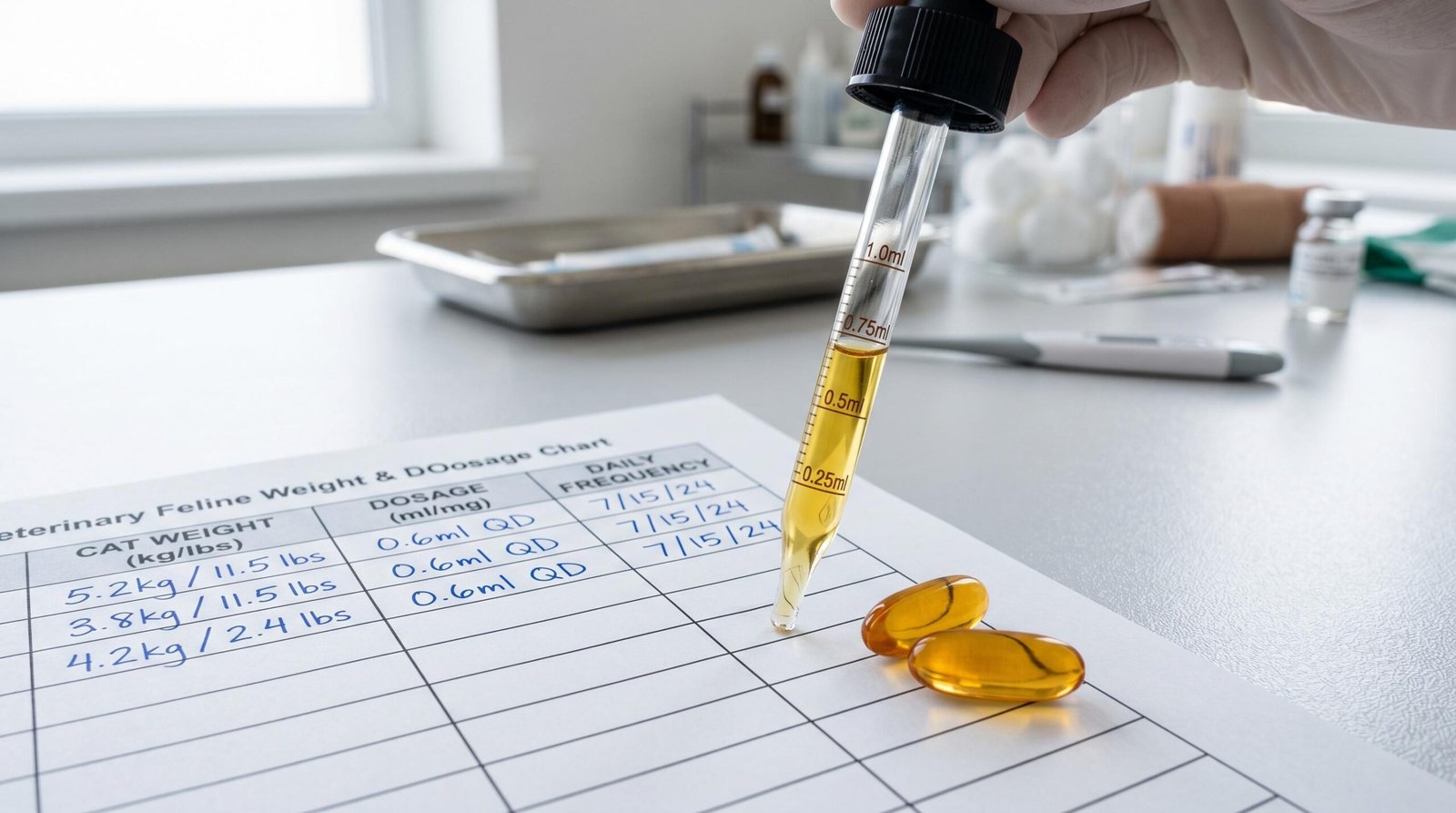
This is where most owners go wrong, and where most commercial fish oil products mislead by labeling. The dose that matters is the combined EPA+DHA content, not the total oil volume in the capsule. A 1,000 mg fish oil softgel might contain only 300 mg of actual EPA+DHA. Read the Supplement Facts panel, not the front-of-bottle claim.
For general health maintenance, the established veterinary range is approximately 20 to 55 mg of combined EPA+DHA per kilogram of body weight daily. For therapeutic indications like osteoarthritis, doses climb significantly higher, up to roughly 310 mg EPA+DHA per kilogram of metabolic body weight (kg^0.75), as established in veterinary clinical protocols. The table below covers general health maintenance.
General Health Maintenance: Daily EPA+DHA by Weight
| Dog Weight | Daily EPA+DHA (combined) |
|---|---|
| Under 10 lbs (under 4.5 kg) | 250 to 500 mg |
| 10 to 25 lbs (4.5 to 11 kg) | 500 to 750 mg |
| 25 to 50 lbs (11 to 23 kg) | 750 to 1,500 mg |
| 50 to 75 lbs (23 to 34 kg) | 1,500 to 2,000 mg |
| 75 to 100 lbs (34 to 45 kg) | 2,000 to 2,500 mg |
| Over 100 lbs (45+ kg) | 2,500 to 3,000 mg |
A few practical notes. These are EPA+DHA combined totals, not the total fish oil volume, which will be substantially higher. For osteoarthritis management, therapeutic doses are significantly above maintenance levels, and we suggest consulting your veterinarian for a weight-adjusted protocol rather than self-escalating. Always start at the lower end of the range and work up over two to three weeks. This minimizes the risk of loose stools and gives your dog’s digestive system time to adapt.
The most common error: assuming that the “1,000 mg” stamped on a fish oil capsule is the EPA+DHA dose. It almost never is. That number reflects the total oil volume. The active omega-3 content is on the back panel, typically broken out as EPA, DHA, and “other omega-3s.” Add the EPA and DHA figures together to get your usable dose per capsule, then divide your target daily total by that number to determine capsules per day.
Fish Oil for Dogs in Different Forms
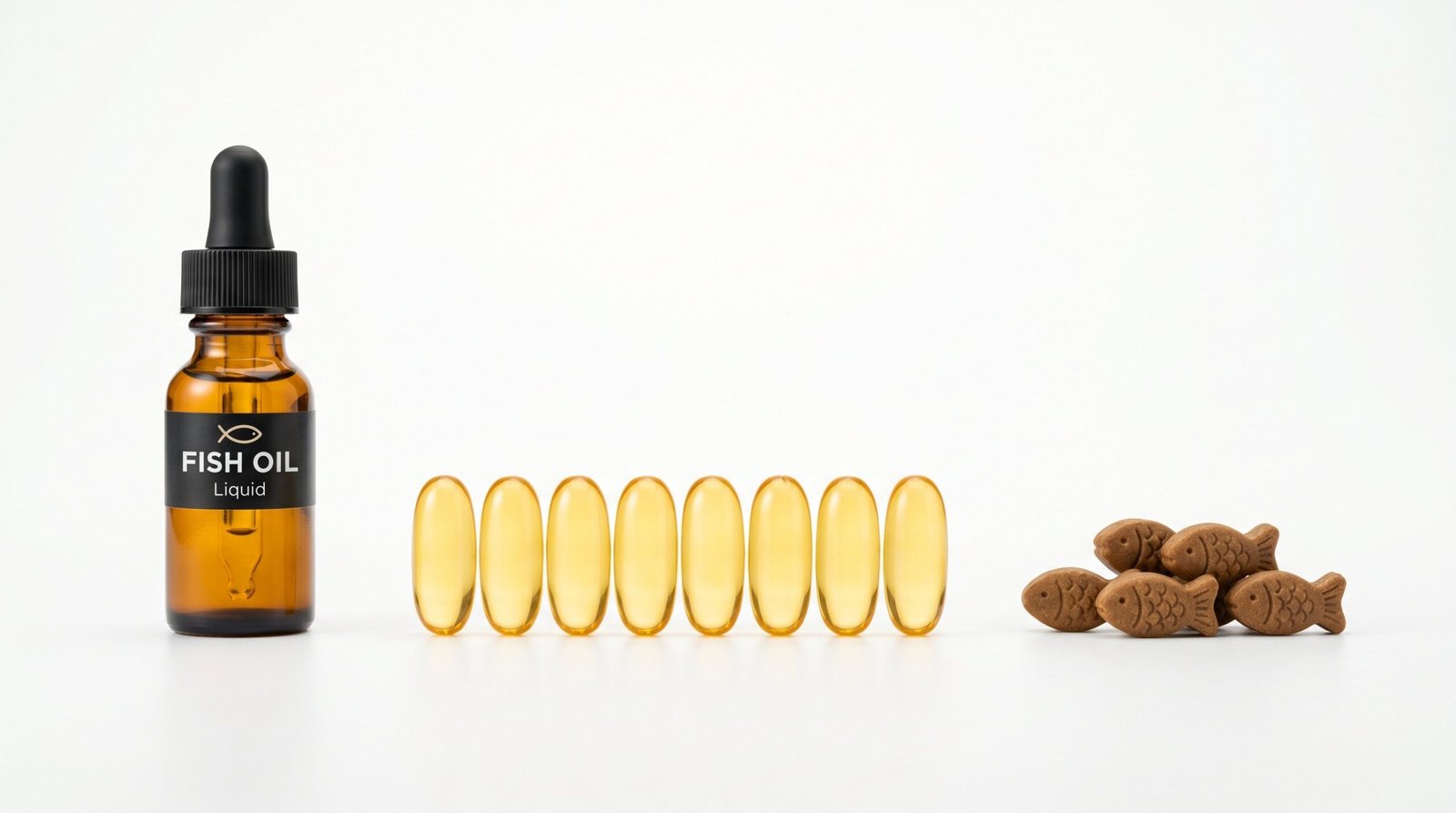
Fish oil comes in several delivery formats, and the choice affects both compliance and product stability. Here is how the common formats compare on the factors that actually matter.
| Form | Pros | Cons | Best For |
|---|---|---|---|
| Liquid (pump or bottle) | Easy to mix with food; precise dose control; cost-effective per mg of EPA+DHA | Oxidizes fastest once opened; requires refrigeration; finite shelf life after opening | Multi-dog households, large dogs needing high doses, owners willing to manage storage |
| Softgels / Capsules | Sealed against oxidation; long shelf life; portable; easy to dose | Some dogs refuse them; harder to split for small dogs; can be more expensive per mg | Small to medium dogs, owners who travel, those wanting stable product |
| Chews (soft treats) | High palatability; easy compliance; combined with other ingredients in some products | Lower EPA+DHA per piece; often contain sugars or fillers; cost per mg is highest | Picky eaters, dogs who refuse capsules or liquid |
| Krill Oil | Phospholipid-bound omega-3s may have better absorption; naturally contains astaxanthin (antioxidant) | Lower total EPA+DHA per serving; significantly more expensive; sustainability concerns | Small dogs where absorption matters more than total dose, or owners specifically seeking astaxanthin |
Liquid fish oil is the most economical option for large dogs and households with multiple animals, but it carries the highest oxidation risk. Once opened, buy small bottles, store them in the refrigerator, and discard after 60 to 90 days regardless of the label expiration. Capsules are more forgiving in that respect, since the gel coating protects the oil from oxygen. For owners specifically interested in salmon-derived products, our piece on salmon oil for dogs covers the species-specific considerations.
The Oxidation Problem: Why Quality Matters More Than You Think
Fish oil is one of the most oxidation-prone supplements on the market. The same polyunsaturated structure that makes EPA and DHA biologically valuable also makes them unstable when exposed to heat, light, and oxygen. Once oxidation begins, the oil becomes not just ineffective but potentially harmful. Oxidized lipids generate reactive oxygen species, which can contribute to cellular damage, the exact opposite of what you’re trying to achieve.
Signs of rancid fish oil include a strong, harsh fishy smell (fresh fish oil should smell mildly oceanic, not pungent), a cloudy or unusually dark color, and refusal by your dog. Dogs are often better at detecting rancidity than humans. If your dog suddenly rejects a fish oil they previously accepted, the product may have turned.
To evaluate product quality before buying, look for two third-party certifications. The International Fish Oil Standards (IFOS) program tests for purity, potency, and oxidation markers, publishing results publicly. The National Animal Supplement Council (NASC) quality seal indicates the manufacturer follows good manufacturing practices for pet supplements. Neither certification is mandatory, which is precisely why their presence is meaningful.
When NOT to Give Your Dog Fish Oil
Fish oil has a favorable safety profile, but it is not appropriate in every situation. The following scenarios warrant either avoiding supplementation or coordinating closely with your veterinarian.
- Before surgery. Omega-3 fatty acids have mild anticoagulant effects. Most veterinary surgeons advise stopping fish oil one to two weeks before any planned procedure, including dental cleanings under anesthesia, to reduce bleeding risk.
- Dogs on warfarin or other blood thinners. The combined anticoagulant effect can meaningfully increase bleeding risk. This combination requires direct veterinary supervision and is not something to manage on your own.
- Dogs with a history of pancreatitis. Fish oil is fat. High-fat supplements can trigger pancreatic flares in susceptible dogs. If your dog has had pancreatitis, talk to your vet before introducing any oil-based supplement, and consider lower-fat alternatives or carefully monitored low doses.
- Dogs with clotting disorders. Conditions like von Willebrand disease or thrombocytopenia put a dog at baseline bleeding risk. Adding any anticoagulant, even a mild one, requires veterinary guidance.
- Dogs on NSAIDs. Fish oil and NSAIDs are sometimes combined therapeutically for arthritis, but the combination amplifies gastrointestinal and bleeding risks. This is a vet-supervised pairing, not a DIY one.
The overarching principle: check with your veterinarian before starting any supplement, particularly if your dog is on medication, has chronic disease, or is scheduled for a procedure. Fish oil is generally safe, but “generally” does not mean “always.”
Hip Dysplasia and Fish Oil: A Note for Large-Breed Senior Dogs
Owners of Labradors, Golden Retrievers, German Shepherds, and other large breeds face a specific concern: hip dysplasia frequently progresses to clinically significant osteoarthritis by the senior years. Fish oil, dosed at therapeutic levels, fits naturally into a multi-modal management approach. It will not correct the structural joint abnormality, but it can reduce the inflammatory burden that drives pain and progressive cartilage damage.
For dogs with hip dysplasia, we suggest discussing therapeutic-range fish oil with your veterinarian as part of a broader plan that may include weight management, controlled exercise, joint-supportive medications, and physical rehabilitation. Our dedicated piece on hip dysplasia in dogs covers the full management picture for affected large breeds.
Side Effects and Warning Signs
Most dogs tolerate fish oil well. The side effects that do occur are typically mild and dose-related, resolving when the dose is reduced.
Common and usually benign:
- Fishy breath. The most common complaint. Largely unavoidable with active product.
- Loose stools or mild diarrhea. Usually appears when starting at too high a dose. Resolves with dose reduction and a slower titration upward.
Less common:
- Nausea or vomiting, particularly if fish oil is given on an empty stomach. Give with food.
- Slight weight gain at high doses, due to caloric load from the oil itself.
Signs to reduce or stop the supplement and contact your veterinarian:
- Blood in stool
- Diarrhea that persists more than 48 hours
- Unusual bruising or bleeding from minor injuries
- Lethargy or appetite loss following a dose increase
- Vomiting that does not resolve with reducing the dose or giving with food
Frequently Asked Questions
Can I give my dog human fish oil?
Yes, in most cases. Human fish oil is the same molecular product, and many veterinarians actually prefer high-quality human-grade fish oil over pet-specific products because of stricter purity standards. The key is reading the EPA+DHA content per capsule and calculating the appropriate number of capsules for your dog’s weight. Avoid products with added xylitol, artificial sweeteners, or flavorings designed for human palatability that may be unsafe for dogs.
What’s the difference between fish oil and salmon oil for dogs?
Salmon oil is one type of fish oil, derived specifically from salmon. Generic “fish oil” can come from a variety of cold-water species including anchovy, sardine, mackerel, and menhaden. Salmon oil tends to be more palatable to dogs and contains naturally occurring antioxidants, but it is typically more expensive per mg of EPA+DHA. From a clinical effect standpoint, what matters is the EPA+DHA content, not the species source.
Can fish oil help dogs with allergies?
Yes, fish oil can meaningfully reduce the severity of allergic skin disease, including atopic dermatitis. The anti-inflammatory action on the skin barrier reduces itching and helps restore barrier function. It is not a cure for allergies and works best as part of a broader management plan that may include hypoallergenic diet, environmental control, and in some cases prescription medications. Expect four to eight weeks before judging the effect.
How long does it take to see results from fish oil?
Skin and coat improvements typically appear within four to eight weeks. Joint and mobility benefits in osteoarthritic dogs often take eight to twelve weeks at therapeutic doses. Cognitive support is the slowest to assess, requiring two to three months of consistent supplementation before any pattern becomes apparent. Fish oil is not a fast-acting supplement, and inconsistent dosing will substantially delay or eliminate the benefit.
Can I give fish oil to a puppy?
Yes, and DHA in particular plays an important role in neurological and visual development during puppyhood. Many puppy-formulated diets already include DHA, so check the food label before adding a supplement. If your puppy’s food does not contain adequate DHA, talk to your veterinarian about appropriate supplementation for the breed and life stage. Avoid high therapeutic doses in growing dogs unless specifically directed by a vet.
Is too much fish oil dangerous for dogs?
Yes, excessive doses can cause problems. The primary risks at high doses are gastrointestinal upset, weight gain from the caloric load, increased bleeding tendency, and in extreme cases, immune suppression. Vitamin A and D toxicity can also occur with cod liver oil specifically, which is different from standard fish oil. Stick to the dosing ranges in this guide, and do not exceed therapeutic doses without veterinary guidance.
Quick Reference: Fish Oil by Condition
| Condition | Recommended Approach | Typical Dose Range | Timeline to See Results |
|---|---|---|---|
| General health maintenance | Daily EPA+DHA at maintenance level, with food | 20 to 55 mg/kg combined EPA+DHA daily | 4 to 8 weeks for coat; 8 to 12 weeks for systemic effects |
| Osteoarthritis / joint pain | Therapeutic dose under veterinary guidance; part of multi-modal plan | Up to 310 mg/kg^0.75 EPA+DHA daily (vet-supervised) | 8 to 12 weeks for measurable lameness improvement |
| Atopic dermatitis / itchy skin | Maintenance to mid-range dose; combine with allergy management | 50 to 75 mg/kg combined EPA+DHA daily | 4 to 8 weeks |
| Cardiac support (with vet) | Vet-directed dosing alongside cardiac medications | Individualized; typically therapeutic range | Variable; assessed via clinical markers |
| Cognitive support (senior dogs) | DHA-rich product; consistent daily dosing | Maintenance range, prioritizing DHA content | 2 to 3 months for observable change |
| Early-stage chronic kidney disease | Vet-supervised; coordinate with renal diet | Maintenance range, vet-adjusted | Months; assessed via lab values, not symptoms |
Fish oil is one of the most evidence-supported supplements you can give a senior dog. The benefits are real and measurable, but they depend on getting two things right: a quality product that has not oxidized, and a dose that reflects EPA+DHA content rather than total oil volume. When those conditions are met, particularly for dogs managing joint disease, skin allergies, or early cognitive changes, fish oil earns its place in the daily routine.