

Signs of Kidney Disease in Cats: What to Watch For at Every Stage
May 29, 2026 | by Ian Adair
Signs of Kidney Disease in Cats: What to Watch For at Every Stage
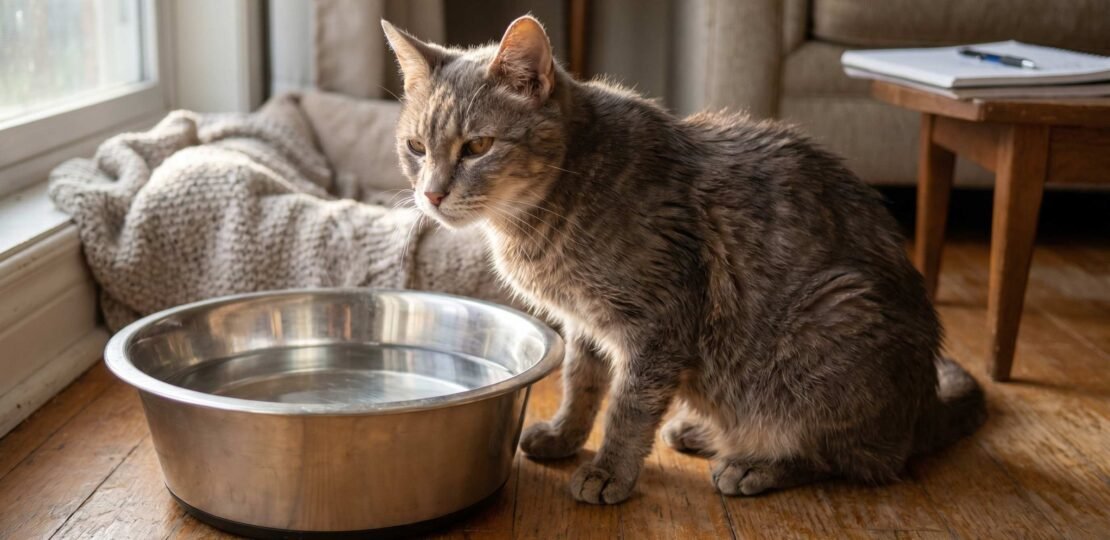
The earliest signs of kidney disease in cats are increased thirst, more frequent urination, gradual weight loss, and subtle behavioral changes like withdrawal or reduced grooming. As the disease progresses, cats develop poor appetite, vomiting, lethargy, bad breath with an ammonia-like odor, and a dull coat. Because cats hide illness and kidneys compensate well, symptoms usually appear only after about two-thirds of kidney function is already lost, which is why routine senior bloodwork matters more than waiting for visible signs.
If you’ve noticed your cat drinking more water, peeing larger clumps in the litter box, or simply seeming “off,” you’re right to take it seriously. Chronic kidney disease (CKD) is the most common serious illness in older cats, affecting up to 40 percent of cats over 10 and as many as 80 percent of cats over 15, according to the Cornell Feline Health Center. The frustrating part for owners is that by the time you notice symptoms, the disease has often been brewing for a long time.
This guide walks through what kidney disease actually looks like at each stage, why behavioral signs often appear before physical ones, how hyperthyroidism can hide the problem entirely, and how to tell whether something warrants a same-day vet call or a routine appointment. For diagnosis, treatment, and management, see our complete guide to kidney disease in cats.
Why Symptoms Appear Late: The Two-Thirds Rule
Here’s the most important thing to understand about feline kidney disease: by the time blood tests show abnormal creatinine, your cat has likely lost around 66 to 75 percent of functional kidney tissue. This is the “two-thirds rule,” and it changes how you should think about monitoring your aging cat.
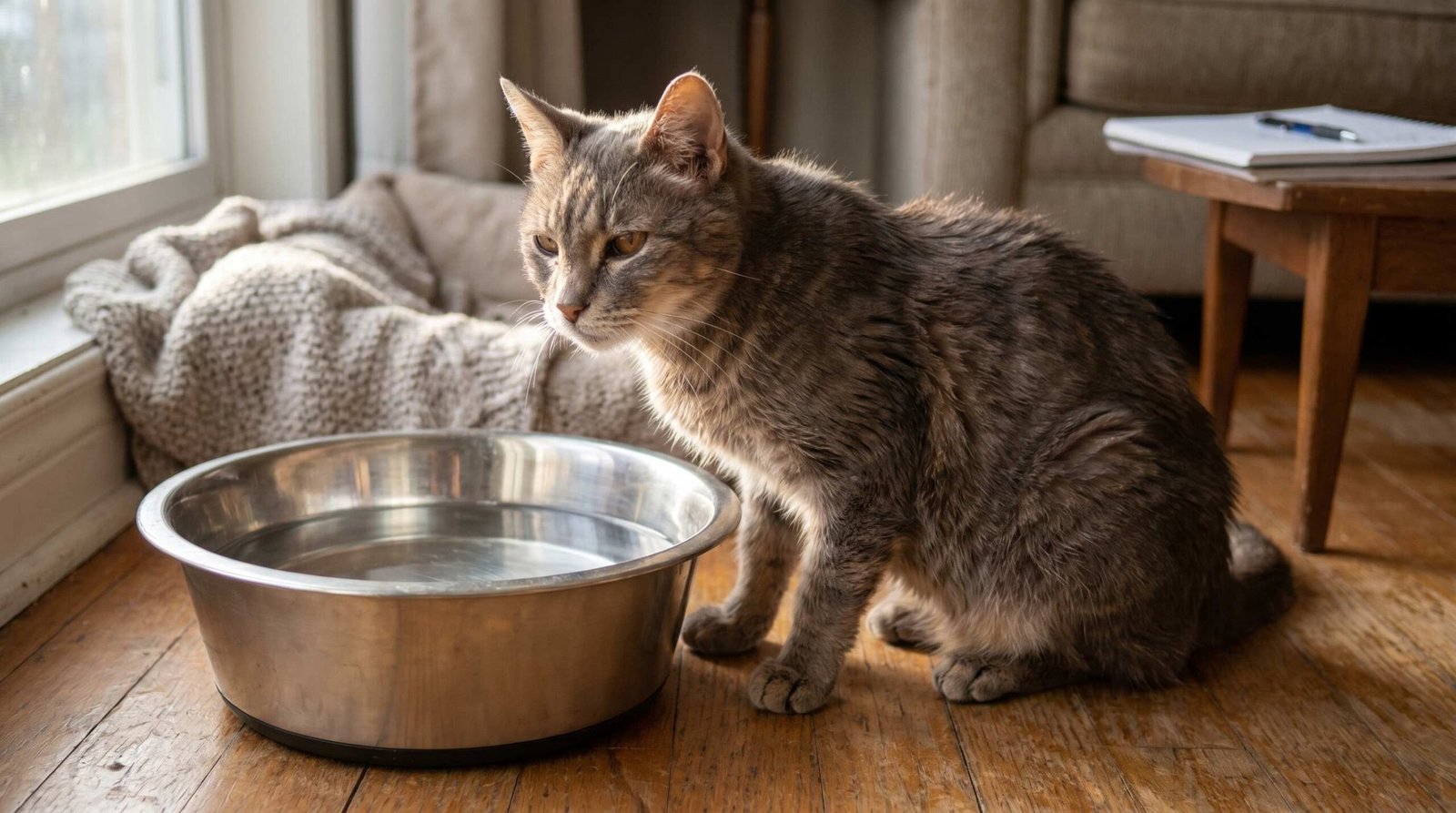
Cats evolved as solitary desert hunters with kidneys built for water conservation. Nephrons (the filtering units inside each kidney) have enormous reserve capacity. When some are damaged, the remaining nephrons work harder and compensate. This compensation works well, until it doesn’t. A cat can lose half her kidney function and still pass a basic physical exam. By the time she’s drinking noticeably more water or losing weight, the damage is usually substantial.
This is why the most useful tool you have isn’t pattern recognition for advanced symptoms. It’s a baseline. Senior cats benefit from annual bloodwork and urinalysis (twice yearly after age 11), including a SDMA test, which can detect kidney decline earlier than creatinine. Owners who watch only for thirst changes will catch the disease, but later than they could have.
Early Warning Signs: IRIS Stages 1 and 2
The International Renal Interest Society (IRIS) classifies CKD into four stages based on blood creatinine and SDMA values, with substaging by urine protein and blood pressure. Stage 1 cats often have completely normal creatinine and look healthy externally. Stage 2 cats start to show subtle signs, though many owners miss them or attribute them to aging.
Behavioral changes you might notice first
Cats are exceptional at hiding illness. In the wild, a sick cat is a vulnerable cat, and that instinct doesn’t disappear just because she lives indoors. Behavioral shifts almost always precede observable physical symptoms by weeks or months. Watch for:
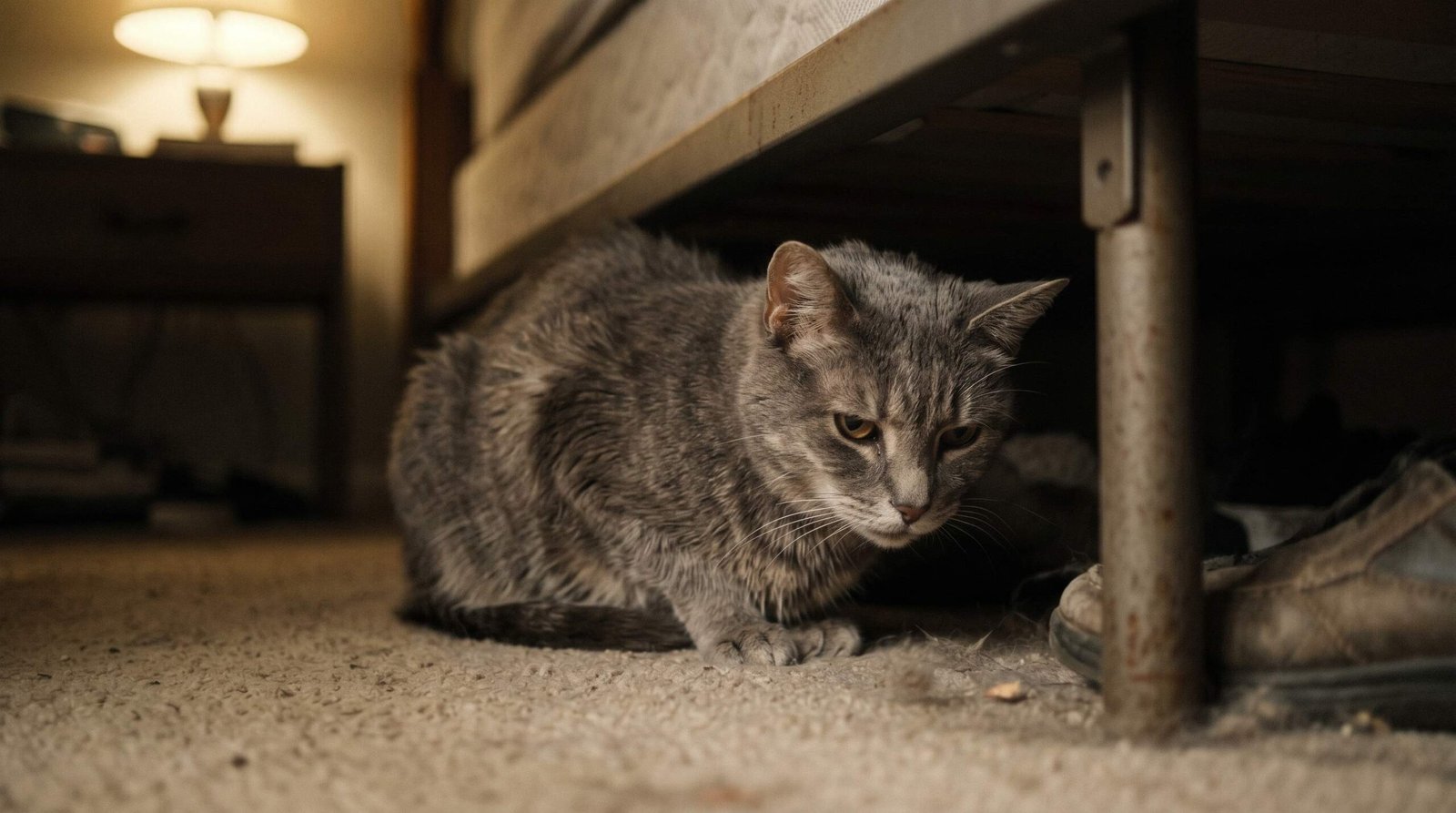
- Increased hiding or withdrawal. A cat who used to greet you now spends afternoons under the bed.
- Reduced grooming. Coat looks slightly unkempt, especially along the back or hindquarters where she used to keep tidy. Mild dandruff may appear.
- Less play, less curiosity. She still functions normally, but the bird at the window doesn’t get her attention the way it used to.
- Sleeping in new spots. Often cooler, harder surfaces (tile floors, sinks) as cats with early CKD can feel mildly warm or uncomfortable.
- Subtle irritability. Less tolerance for handling, brushing, or being picked up.
- Mild confusion or disorientation in older cats. Cognitive changes can overlap with metabolic effects from rising waste products in the blood. (Cognitive decline is its own condition too. We cover canine cognitive dysfunction in our dog dementia guide, and the parallels in cats are real.)
None of these alone proves kidney disease. Together, in a cat over 8, they justify bloodwork.
Physical changes in early-stage CKD
The classic textbook signs of early CKD are polyuria and polydipsia, which simply means peeing more and drinking more. You may notice:
- Larger or more frequent urine clumps in the litter box. If you scoop daily, the change is easier to spot. Some owners switch to a non-clumping or pellet litter temporarily to gauge urine volume more clearly.
- Drinking from new water sources. The bathroom faucet, a glass on your nightstand, the shower floor. Cats with rising thirst often seek out fresh, cool water.
- Mild, gradual weight loss. Often a few ounces at a time, easily missed without a kitchen scale. Loss of muscle mass over the spine and hindquarters is common even before significant weight change.
- Slightly dull coat. Less shine, mild flaking, hair that doesn’t lie quite as flat.
- Inappropriate urination. Some cats with increasing urine volume struggle to make it to the litter box, especially if mobility is also declining.
Cats at this stage often still eat normally and act like themselves most of the time. That’s the cruel part: nothing seems urgent, but the disease is already moderate.
Mid-Stage Symptoms: IRIS Stage 3
By Stage 3, creatinine and SDMA are well above normal, and the cat usually feels sick at least intermittently. This is the stage at which most cats are diagnosed in practice, because symptoms become hard to ignore.
- Decreased appetite. She might eat half her food, walk away, and come back later. Wet food becomes more appealing than dry. Some cats develop strong preferences (a brand she loved last month is rejected this month) because uremic toxins affect taste and cause nausea.
- Visible weight loss. Often 10 to 20 percent of body weight over a few months. Hip bones and spine become more prominent.
- Intermittent vomiting. May be food, foam, or bile. Frequency varies from once every few weeks to several times a week.
- Lethargy and reduced activity. Less jumping to high spots, more sleeping, slower movement.
- Bad breath. An ammonia-like or metallic smell is characteristic. It comes from urea building up in saliva.
- Mouth ulcers and drooling. Uremic ulceration is a real, painful complication. Look for sores on the tongue, gums, or inside the cheeks.
- Mild dehydration. Skin tenting (gently lift skin between the shoulder blades; if it doesn’t snap back quickly, she’s dehydrated). Sunken eyes in more advanced cases.
- Constipation. Dehydration plus reduced food intake leads to harder, drier stools.
- Pale gums. Anemia develops because failing kidneys produce less erythropoietin, the hormone that signals red blood cell production.
At Stage 3, your vet is also likely to detect hypertension (high blood pressure), proteinuria (protein loss in urine), and possibly retinal changes on eye exam. These complications can accelerate progression if untreated.
Late-Stage and End-Stage Signs: IRIS Stage 4
Stage 4 represents severe kidney failure. Cats at this stage are visibly unwell and need intensive support to maintain quality of life. Owners often describe a cat who “isn’t herself anymore.”
- Severe inappetence or complete food refusal. Cats may go a full day or longer without eating, which is dangerous in itself (cats are prone to hepatic lipidosis when they stop eating).
- Frequent vomiting. Daily or multiple times daily.
- Profound lethargy. Sleeping most of the day, minimal interest in surroundings, often in unusual positions (head pressed against walls, sitting hunched over the water bowl).
- Severe dehydration. Despite drinking, the cat can’t keep up with fluid losses.
- Visible muscle wasting (cachexia). The cat looks bony, with prominent vertebrae and a sunken appearance over the hips and shoulders.
- Hypothermia. Body temperature drops below normal; cats seek warm spots constantly or feel cool to the touch.
- Seizures or twitching. Rare but possible, related to severe uremia, electrolyte imbalance, or hypertension.
- Vocalization changes. Some cats yowl, especially at night. Others go nearly silent.
- Smell of ammonia from the breath and coat. Strong and unmistakable.
- Collapse or inability to stand. End-stage sign.
At this point, conversations with your vet should include quality-of-life assessment, palliative care options, and, when appropriate, humane euthanasia. Suffering at end-stage CKD is preventable.
Early vs. Late Symptoms: A Side-by-Side Comparison
| Symptom Category | Early-Stage CKD (IRIS 1 to 2) | Late-Stage CKD (IRIS 3 to 4) |
|---|---|---|
| Thirst | Mild increase, drinking from new sources | Constant drinking, may also refuse water |
| Urination | Slightly larger or more frequent clumps | Large dilute urine, possible accidents outside box |
| Appetite | Normal or slightly picky | Reduced, food refusal, strong preferences |
| Weight | Subtle loss, muscle wasting over spine | Visible thinness, prominent bones, cachexia |
| Vomiting | Rare to absent | Intermittent to frequent (daily) |
| Breath | Normal or mild odor | Ammonia-like, metallic, mouth ulcers possible |
| Coat | Slightly dull, mild flaking | Dull, matted, ungroomed |
| Energy | Slightly reduced play and curiosity | Profound lethargy, sleeps most of day |
| Behavior | Withdrawal, hiding, less interaction | Disorientation, vocalization, collapse possible |
| Hydration | Normal on exam | Dehydrated, skin tents, sunken eyes |
Behavioral Signs vs. Physical Signs: What You Can Actually See
One of the most useful ways to think about CKD symptoms is to separate what you, the owner, can notice at home from what your vet detects on examination or in lab work. The owner-observable signs are the ones that drive the vet visit; the vet-detectable signs confirm and stage the disease.
| Owner-Observable (Home) | Vet-Detectable (Clinic) |
|---|---|
| Increased thirst (polydipsia) | Elevated SDMA (earliest blood marker) |
| Increased urine volume (polyuria) | Elevated creatinine and BUN |
| Weight loss and muscle wasting | Low urine specific gravity (dilute urine) |
| Hiding, withdrawal, reduced grooming | Proteinuria on urinalysis |
| Loss of appetite or food fussiness | High blood pressure (over 160 mmHg systolic) |
| Vomiting, bad breath, mouth sores | Small, irregular kidneys on palpation or ultrasound |
| Lethargy, less play | Anemia on complete blood count |
| Cool body, seeking warm spots | Electrolyte imbalances (low potassium common) |
| Sleeping in unusual positions | Retinal changes from hypertension |
Behavioral changes carry more weight than most owners realize. A cat who is consistently sleeping in new spots, grooming less, and interacting less is communicating that something has shifted internally. We suggest treating behavioral drift in a senior cat as a clinical sign, not personality. If your cat seems to be getting “set in her ways” or “just slowing down,” that’s worth a senior wellness panel. For broader context on behavioral changes in aging pets, our piece on signs of anxiety in dogs outlines a similar principle: behavior is often the first warning system.
The Hyperthyroidism Problem: When Treating One Disease Reveals Another
This is the nuance that catches owners (and sometimes vets) off guard, and it deserves its own section.
Hyperthyroidism is the other most common disease of older cats. Thyroid hormone increases glomerular filtration rate (GFR), the speed at which kidneys filter blood. In a cat with both hyperthyroidism and CKD, the elevated thyroid hormone artificially boosts kidney filtration, which masks the underlying kidney damage. Creatinine looks normal. SDMA may look borderline. The cat appears to have only a thyroid problem.
Then you treat the hyperthyroidism, with methimazole, radioactive iodine (I-131), surgery, or diet, and the thyroid returns to normal. GFR drops. Suddenly, hidden CKD becomes apparent on bloodwork, sometimes dramatically.
This isn’t the treatment causing kidney damage. It’s the treatment unmasking damage that was already there. The clinical implication is significant:
- If your cat is diagnosed with hyperthyroidism, ask your vet to monitor kidney values closely before, during, and after treatment.
- Don’t refuse hyperthyroidism treatment out of fear of “causing” kidney disease. Untreated hyperthyroidism damages the heart and shortens life. The kidney issue, when present, is pre-existing.
- Many vets do a methimazole trial first (oral medication, reversible) before opting for radioactive iodine, specifically to see how the kidneys respond to lower thyroid hormone before committing to permanent treatment.
- If your cat is on the older end, has hyperthyroidism, and bloodwork later shows kidney values rising, this is not necessarily a treatment failure or a separate new disease. It’s often the same situation, revealed.
This interaction is also why we suggest a urinalysis with specific gravity at the time of hyperthyroidism diagnosis. Even with normal creatinine, dilute urine in a hyperthyroid cat strongly suggests concurrent kidney disease.
Which Cat Breeds Face Higher Risk
While any cat can develop CKD with age, certain breeds carry inherited risks for specific kidney conditions. If you have one of these breeds, screening earlier and more often is wise.
| Breed | Inherited Risk | What to Watch For |
|---|---|---|
| Persian | Polycystic Kidney Disease (PKD), autosomal dominant, gene known | Multiple fluid-filled cysts grow in kidneys; signs of CKD usually appear by age 7 to 10, though some cats remain asymptomatic for years. DNA test available. |
| British Shorthair | PKD (shared ancestry with Persians) | Similar to Persians; ultrasound screening or DNA testing recommended in breeding lines. |
| Exotic Shorthair | PKD (Persian crossbreed origin) | Same screening protocols as Persians. |
| Scottish Fold | PKD risk plus separate osteochondrodysplasia concerns | Screen for PKD; also monitor joints. |
| Ragdoll | Lower but documented PKD frequency | Reasonable to screen, particularly in lines with Persian ancestry. |
| Birman | Mixed reports; some genetic predisposition to early CKD | Annual senior screening from age 7. |
| Siamese | Renal amyloidosis (abnormal protein deposits in kidneys) | Can present at younger ages than typical CKD; protein in urine is an early sign. |
| Oriental Shorthair | Amyloidosis (shared Siamese lineage) | Similar surveillance recommended. |
| Abyssinian and Somali | Familial glomerulonephritis (sometimes called fibrillary glomerulopathy) | Proteinuria often appears before creatinine rises; UPC (urine protein-to-creatinine ratio) screening is helpful. |
| Mixed breed seniors | Age-related CKD, etiology often unknown | Twice-yearly bloodwork plus urinalysis from age 10. |
For breeds with documented PKD risk, a single abdominal ultrasound around age 1 or 2, or a cheek-swab DNA test where validated, can identify affected cats long before symptoms develop. This doesn’t change the disease, but it changes the monitoring schedule.
When to Call Your Vet: A Decision Framework
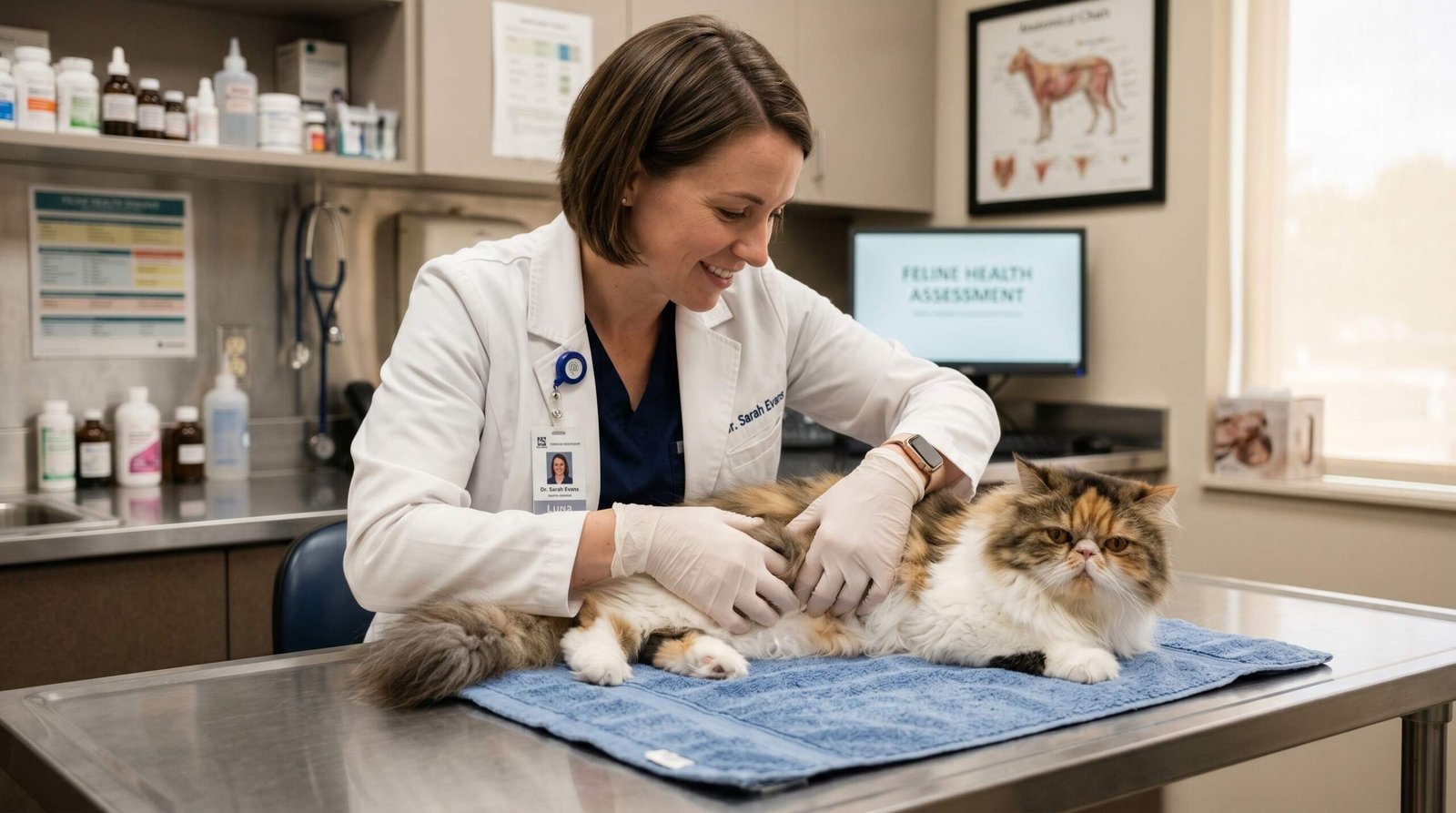
One of the most common owner questions is whether a particular symptom warrants an urgent visit or a routine appointment. Use the framework below.
Call your vet NOW (today or the emergency clinic)
- Complete refusal of food for more than 24 hours, especially in a cat over 8
- Repeated vomiting (more than two or three times in a day) or vomiting blood
- Collapse, severe weakness, or inability to stand
- Seizures or sudden disorientation
- Straining in the litter box with little or no urine produced (this is a separate urgent condition, urethral obstruction, especially in males, but kidney emergencies overlap here)
- Breath that smells strongly of ammonia, plus lethargy
- Suspected ingestion of a kidney toxin (lilies, antifreeze, ibuprofen, acetaminophen). Lily exposure in particular is a medical emergency. Even pollen on the fur is dangerous.
- Severe dehydration (gums tacky or dry, skin doesn’t snap back, sunken eyes)
Schedule a vet visit within a few days
- Noticeable but not extreme increase in thirst lasting more than a week
- Gradual weight loss over weeks to months
- Mild, occasional vomiting (more than usual hairballs)
- Reduced appetite or fussiness, without total food refusal
- Mild lethargy, less play, increased hiding
- Coat changes (duller, flakier, less groomed)
- Bad breath that wasn’t there before
Discuss at the next routine appointment
- Your senior cat has not had bloodwork in the last 12 months
- You have a high-risk breed (Persian, Siamese, Abyssinian, others above) and want a screening discussion
- You’ve noticed very subtle behavioral changes (sleeping in new spots, slightly less interactive) but the cat seems otherwise fine
The general principle, well aligned with guidance from PetMD’s veterinary CKD overview and Cornell, is that lowering your threshold for senior vet visits is one of the highest-value things you can do. Catching CKD at IRIS Stage 2 instead of Stage 3 can add years of comfortable life.
What Comes Next After Diagnosis
If your vet diagnoses CKD, the disease isn’t curable, but it is manageable, often for years. Treatment focuses on slowing progression and reducing symptoms. The main pillars include:
- Therapeutic renal diet. Reduced phosphorus and controlled, high-quality protein. This is the single intervention with the strongest evidence for extending survival.
- Hydration support. Water fountains, wet food, and in later stages, subcutaneous fluids given at home.
- Phosphorus binders. Used when dietary control alone isn’t enough.
- Blood pressure medication. Often amlodipine if hypertension is present.
- ACE inhibitors or telmisartan. For cats with significant proteinuria.
- Anti-nausea and appetite stimulants. Mirtazapine, maropitant, and capromorelin all have a role at different stages, prescribed under veterinary direction. Never use human anti-nausea medications without veterinary guidance; some are toxic to cats.
- Treatment of anemia. In later stages, erythropoietin-stimulating agents may be considered.
- Potassium supplementation. Many CKD cats become hypokalemic, which causes weakness.
For a detailed walkthrough of staging, diagnosis, and long-term management, including dietary specifics and treatment timelines, see our complete guide to kidney disease in cats. We won’t repeat the full management framework here.
Frequently Asked Questions
How early can kidney disease be detected in cats?
With current diagnostics, CKD can be detected at IRIS Stage 1 or early Stage 2, before symptoms appear, using SDMA blood testing combined with urinalysis. SDMA tends to rise earlier than creatinine, sometimes when only 25 to 40 percent of kidney function is lost rather than the 66 to 75 percent loss needed before creatinine becomes abnormal. Annual senior bloodwork from age 7, and twice-yearly from age 11, gives the best chance of early detection. Owners cannot reliably detect Stage 1 disease at home; this is firmly a laboratory diagnosis.
What are the first signs of kidney disease in cats?
The earliest owner-observable signs are usually increased water consumption, larger or more frequent urine clumps in the litter box, mild weight loss, and subtle behavioral changes like reduced grooming, increased hiding, or less play. Many owners notice the behavioral shift first but attribute it to aging. In cats over 8, any combination of these changes warrants senior wellness bloodwork. The classic textbook signs (vomiting, bad breath, dramatic weight loss) appear later in the disease process.
Can a cat with kidney disease still seem normal?
Yes, especially in IRIS Stages 1 and 2. Cats with up to 50 to 65 percent loss of kidney function can appear clinically healthy because remaining nephrons compensate. This is why CKD is often discovered incidentally on senior wellness bloodwork rather than because the owner brought the cat in for symptoms. A cat eating, playing, and acting normally can still have early CKD. The absence of symptoms is not evidence that the kidneys are healthy.
Is increased thirst always a sign of kidney disease?
No. Increased thirst (polydipsia) in cats can also be caused by diabetes mellitus, hyperthyroidism, urinary tract infection, certain medications (steroids, some diuretics), liver disease, and even environmental factors like dry weather or a salty meal. Persistent increased thirst over more than a few days, however, is one of the most reliable early signs of an underlying medical issue and should prompt a vet visit. Your vet will use bloodwork and urinalysis to distinguish among the possibilities.
How fast does kidney disease progress in cats?
Progression varies enormously. Some cats remain in IRIS Stage 2 for years with good management. Others progress from Stage 2 to Stage 4 within months. Factors that accelerate progression include uncontrolled hypertension, significant proteinuria, high blood phosphorus, ongoing dehydration, and certain medications or toxins. Cats diagnosed earlier and managed with renal diet, hydration support, and blood pressure control generally do significantly better. Median survival after CKD diagnosis ranges from months to several years depending on stage at diagnosis and quality of management.
When should I take my cat to the vet for kidney concerns?
Schedule a vet visit within a few days if you notice persistent increased thirst, gradual weight loss, reduced appetite, mild lethargy, or coat changes. Call urgently (today or an emergency clinic) for complete food refusal over 24 hours, repeated vomiting, collapse, seizures, severe dehydration, ammonia-smelling breath with lethargy, or suspected toxin ingestion (lilies, antifreeze, human painkillers). For any senior cat without recent bloodwork, scheduling a routine senior wellness panel is worthwhile even without specific symptoms.
Can kidney disease be reversed in cats?
Chronic kidney disease, by definition, involves permanent structural damage and cannot be reversed. However, acute kidney injury (AKI), which is a sudden insult often from a toxin, infection, or urinary obstruction, can sometimes be partially or fully reversible if treated quickly and aggressively, often with hospitalization and IV fluids. Distinguishing acute injury from chronic disease is part of what your vet does at diagnosis. Even with chronic disease, progression can be slowed substantially with diet, hydration, and medical management, often adding years of good quality life.
RELATED POSTS
View all

Gabapentin for Cats: Uses, Dosage, Side Effects, and What the Research Actually Shows
August 1, 2026 | by Ian Adair
Hyperthyroidism in Cats: Symptoms, Treatment Options, and What Happens to the Kidneys
June 2, 2026 | by Ian Adair
Hypertrophic Cardiomyopathy in Cats: What the Research Shows About HCM Symptoms, Diagnosis, and Treatment
June 4, 2026 | by Ian Adair