

Gabapentin for Cats: Uses, Dosage, Side Effects, and What the Research Actually Shows
August 1, 2026 | by Ian Adair
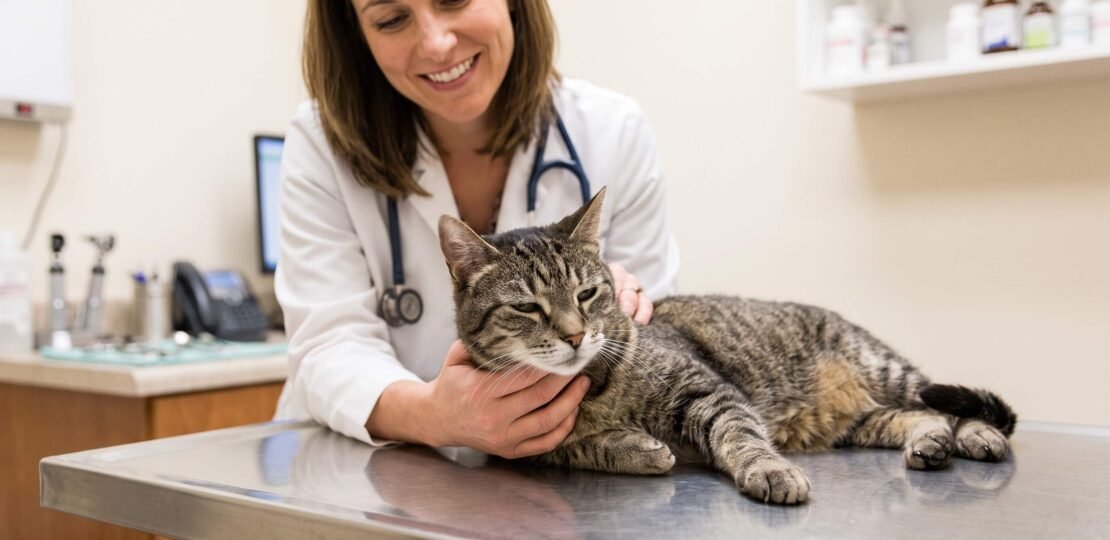
Gabapentin for Cats: Uses, Dosage, Side Effects, and What the Research Actually Shows
If your veterinarian has just handed you a prescription for gabapentin, or suggested it to take the edge off your cat’s next clinic visit, you probably have questions. Is it safe? How much do you give? What about your senior cat’s kidney values, or the fact that she is already on three other medications? Gabapentin is one of the most widely prescribed drugs in feline medicine, and for good reason: it works, it is generally well tolerated, and a growing body of research now backs up what vets have observed in practice for years. This guide walks through the evidence, the numbers, and the details that matter most for older cats, who metabolize this drug differently than a healthy two-year-old.
We have written this to be genuinely useful at the level of real decisions, not a vague “ask your vet” placeholder. You will find weight-based dosing ranges, a side-by-side comparison with trazodone, a full trial-run protocol for vet anxiety, and a careful look at what changes when your cat has chronic kidney disease, hyperthyroidism, or heart disease. Everything clinical here traces back to a named source.
What is gabapentin for cats? It is a medication vets prescribe off-label to manage two things above all: chronic pain, particularly the nerve-related and musculoskeletal kind common in arthritic senior cats, and situational anxiety around predictable stressors like veterinary visits and travel. It also serves as an add-on seizure treatment. Cats take it by mouth, and effects appear within one to two hours.
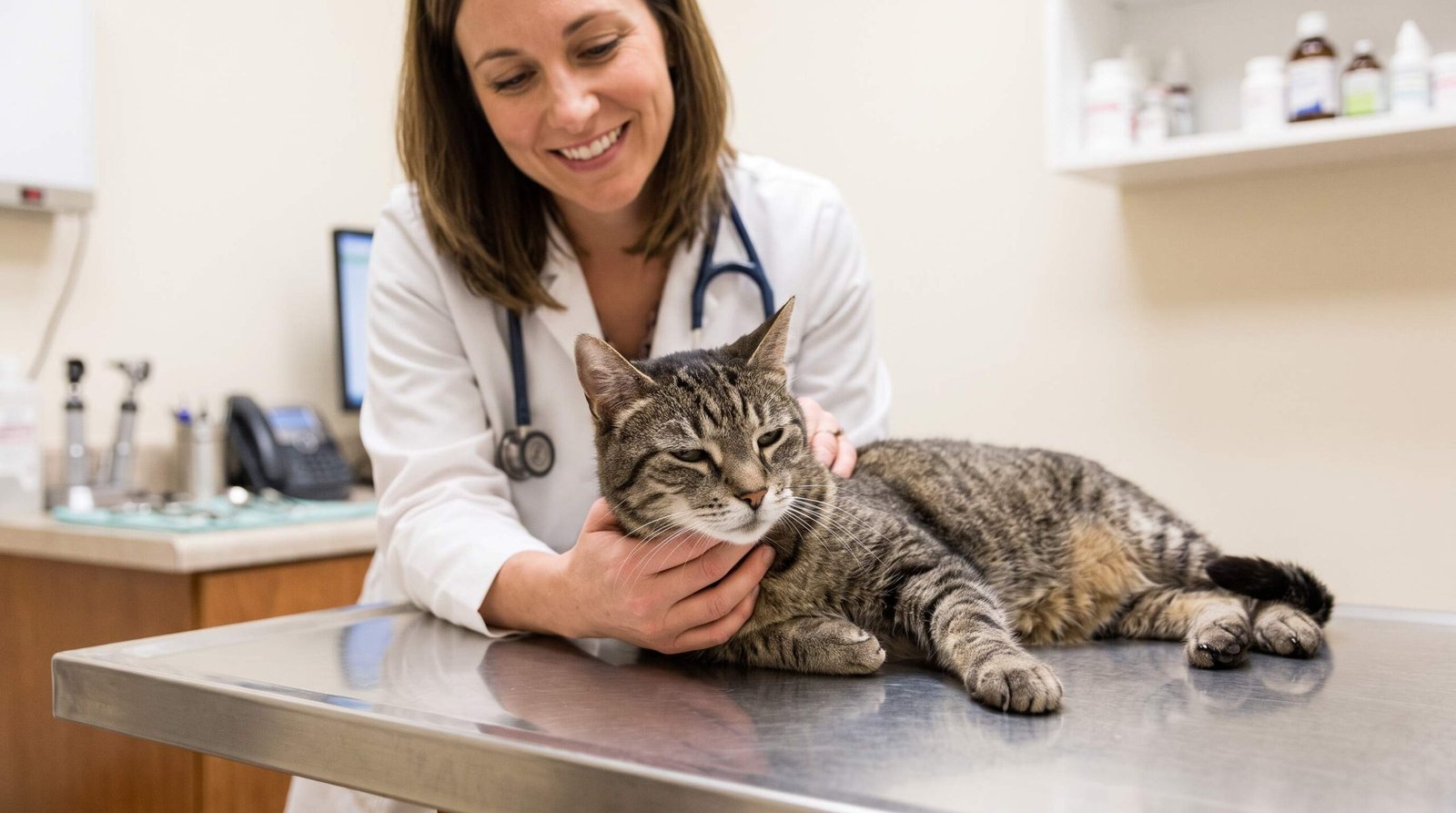
What Is Gabapentin and How Does It Work in Cats?
Gabapentin quiets overactive nerve signaling. It binds to a specific site called the alpha-2-delta-1 subunit of voltage-gated calcium channels in the nervous system, which reduces the release of excitatory neurotransmitters. That mechanism is what dampens both pain transmission and the neural overexcitement behind anxiety and seizures.
Here is a common point of confusion worth clearing up. Despite its name, gabapentin is a GABA analogue in structure only. It does not bind to GABA receptors and does not act like a benzodiazepine such as diazepam. This structural resemblance is a quirk of chemistry, not a shared mechanism, and it is part of why gabapentin sidesteps some of the dependency and disinhibition concerns that come with true benzodiazepines.
Gabapentin is approved by the U.S. Food and Drug Administration for use in humans only. Every use in cats is off-label (sometimes called extra-label), meaning the drug is prescribed in a way the FDA has not formally reviewed for the species. This is entirely routine in veterinary medicine, where a large share of the medications used every day are off-label out of practical necessity. What it means for you is simple: follow your veterinarian’s directions precisely, because they may differ significantly from anything printed on a human pharmacy label.
Its popularity is not a matter of habit. Gabapentin has become the most commonly prescribed medication for chronic musculoskeletal pain in cats, according to survey data published in the Journal of Veterinary Internal Medicine. That prominence reflects both how frequently older cats suffer from degenerative joint disease and how few well-tolerated oral pain options exist for a species notoriously difficult to medicate.
What Conditions Is Gabapentin Used to Treat in Cats?
Gabapentin earns its keep across four distinct uses, though the strength of the evidence and the frequency of use differ for each.
Chronic pain is the workhorse indication. Gabapentin targets neuropathic pain (pain arising from nerve damage or dysfunction) especially well, and it is heavily used for the musculoskeletal discomfort of feline osteoarthritis. Degenerative joint disease is remarkably common in senior cats, and because they mask pain so well, owners often mistake early arthritis for simple “slowing down with age.” Gabapentin gives vets a way to address that discomfort in a species that tolerates very few options. The evidence here is strong and continues to build.
Situational anxiety is where the research is arguably strongest and most specific. A single dose given before a predictable stressor can meaningfully reduce fear and improve a cat’s ability to cope. The classic scenario is the veterinary visit, but the same logic applies to car travel, grooming, boarding, house guests, fireworks, thunderstorms, and any other event you can see coming. The key word is predictable: gabapentin works best when you can dose ahead of a known trigger rather than reacting to one already underway.
Adjunct seizure management is a real but secondary role. Gabapentin is not a first-line anticonvulsant in cats and should not be used as standalone seizure control. It comes into play as an add-on for refractory cases, where seizures persist despite primary medications, and it works alongside those drugs rather than replacing them.
Pre-surgical sedation rounds out the list. Because gabapentin reliably takes the edge off and eases handling, some practices incorporate it into pre-operative protocols to reduce stress and smooth the transition into anesthesia, particularly for cats who become fractious in the clinic.
What the Research Actually Shows
The evidence for gabapentin in cats is stronger and more specific than most owners realize, and two studies anchor the current picture.
The landmark study is a van Haaften et al. 2017 randomized controlled trial published in the Journal of the American Veterinary Medical Association. This is the trial that put gabapentin’s anti-anxiety use on solid footing. Cats received either a single dose of gabapentin or a placebo before a veterinary appointment. The gabapentin group showed significantly reduced signs of stress and markedly improved compliance during handling and examination compared with placebo. One dose, before the visit, with a measurable difference. That result is why “give gabapentin before the appointment” became standard advice in feline practice.
The definitive current evidence base is newer. In September 2025, a systematic review published in Veterinary Sciences synthesized the field. This 2025 systematic review of 20 studies (Laguardia and colleagues) screened 543 articles under PRISMA methodology and distilled them down to the 20 most relevant, making it the most comprehensive look at feline gabapentin to date. Its conclusions are worth reading carefully, because they refine the older advice in important ways.
The review confirmed consistent anxiolytic (anti-anxiety) and sedative effects across the included studies. Every randomized controlled trial reported that oral gabapentin significantly reduced stress and improved handling compliance, and the effect was strongest when the drug was given roughly 90 to 120 minutes before the event. The authors specifically noted a calmer attitude even during the drive from home to the clinic, suggesting the benefit begins well before the cat is on the exam table.
On efficacy compared with other drugs, one included study found that gabapentin and alprazolam (a benzodiazepine) produced comparable levels of sedation and anxiolysis, with similar post-operative profiles and no meaningful difference in outcomes. The practical read is significant: gabapentin can deliver benzodiazepine-level calming without the disinhibition and dependency concerns that come with benzodiazepines, which is why many vets reach for it first. The review also noted behavioral improvements were particularly notable in fearful or fear-aggressive cats, with one study observing that cats previously classed as fear-aggressive became noticeably friendlier and more approachable about two hours after a standard dose.
Now the honest caveats, because this drug is not magic. The review explicitly noted that individual variability was observed. Effects appeared dose-dependent in some studies but not all: one investigator (Kruszka) concluded that behavioral changes depended on the individual cat and were not strictly tied to dosage. Some cats respond dramatically, others modestly, and you cannot fully predict which camp yours falls into until you try. The authors also flagged that several of the cardiovascular studies carried a moderate risk of bias, so those findings, while reassuring, should be read as encouraging rather than final. Standardized dosing and long-term safety data remain areas the authors called out for further research.
That said, the cardiovascular safety signal is genuinely important for our senior audience, many of whom have heart or thyroid concerns. Four studies specifically investigated cardiovascular parameters. Gabapentin did not significantly alter blood pressure, heart rate, or echocardiographic findings in either healthy or hyperthyroid cats. One study noted a minor decrease in systolic function and a T-wave change, but those were not clinically significant. For a drug you might give a cat with an underlying cardiac or thyroid condition, the absence of measurable cardiovascular disruption is exactly the kind of evidence you want, tempered appropriately by the bias caveat above.
Gabapentin Dosage for Cats
Dosing splits cleanly into two purposes, and the amounts look quite different depending on whether you are treating pain or anxiety. The table below gives reference ranges drawn from veterinary dosing guidance (including VCA and GoodRx clinical references). These are reference ranges only. Your veterinarian determines the actual dose based on your individual cat’s weight, kidney function, other medications, and observed response. Do not treat this table as a prescription.
| Cat Weight | Typical Pain Dose | Typical Anxiety Dose (per event) | Frequency |
|---|---|---|---|
| 5 lb (2.3 kg) | Often 25 mg or less | Roughly 50 mg | Pain: every 8-12 hrs / Anxiety: 90-120 min before event |
| 8 lb (3.6 kg) | Often 25-50 mg | Roughly 50-100 mg | Pain: every 8-12 hrs / Anxiety: 90-120 min before event |
| 10 lb (4.5 kg) | Commonly around 50 mg | Roughly 100 mg | Pain: every 8-12 hrs / Anxiety: 90-120 min before event |
| 12 lb (5.4 kg) | Around 50 mg | Roughly 100-150 mg | Pain: every 8-12 hrs / Anxiety: 90-120 min before event |
| 15 lb (6.8 kg) | Up to about 50-75 mg | Roughly 150-200 mg | Pain: every 8-12 hrs / Anxiety: 90-120 min before event |
A few principles make sense of those numbers. For chronic pain, most cats do well on 50 mg or less per dose, given every 8 to 12 hours on an ongoing schedule. For situational anxiety, doses run higher on a per-event basis, commonly landing between 50 and 200 mg and rarely exceeding 200 mg, given once, 90 to 120 minutes before the stressful event. The anxiety dose is a single strategic dose timed to a known trigger, not a standing daily medication.
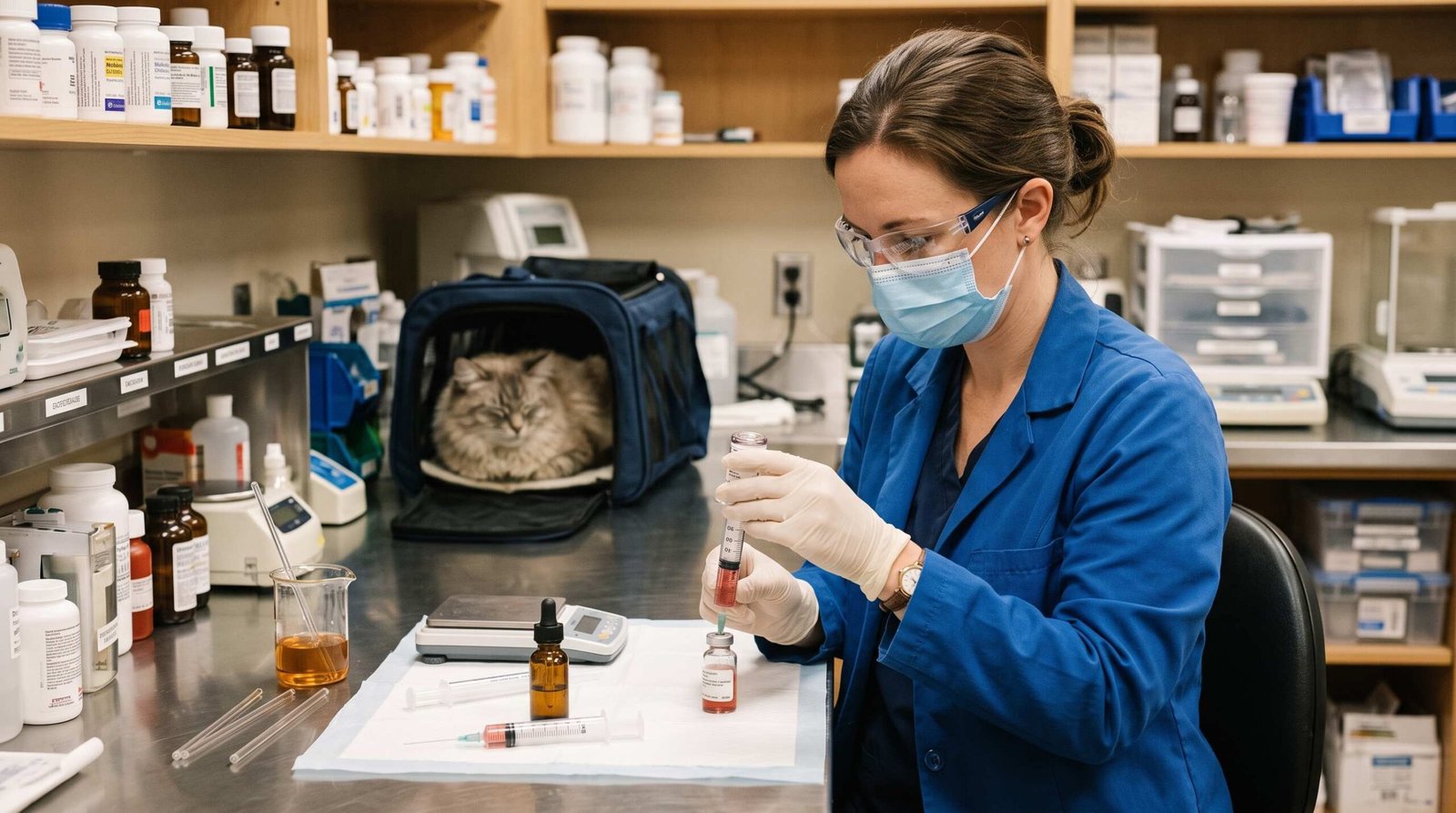
There is a practical wrinkle unique to cats. Human gabapentin capsules come in 100 mg, 300 mg, and 400 mg sizes, and even the smallest of those is too large for many feline doses. This is why a compounding pharmacy is often necessary. A compounder can produce a capsule or, more conveniently, a flavored liquid dosed precisely to your cat’s weight, which removes the guesswork of splitting powder. Compounded liquids in particular tend to be far easier to administer accurately to a small animal.
When a compounded formulation is not used, a very common home approach is to open a 100 mg capsule and mix the appropriate portion of the powder into a small amount of wet food. Gabapentin can be given with or without food, and mixing it into a favorite wet food both eases administration and, per the Laguardia review, is a feasible and well-tolerated delivery method. VCA notes the best time to give it is right around feeding. If your cat vomits after receiving it on an empty stomach, give future doses with food.
The Trial-Run Protocol for Vet Visit Anxiety
Here is the step most owners never hear, and it makes an enormous difference. Give a test dose at home, days before a planned veterinary visit, not on the same morning. Nearly every competitor article stops at “give it 90 minutes before the appointment.” That advice is incomplete and can backfire.
A dry run at home, on an ordinary calm day well ahead of the appointment, lets you observe how your specific cat responds. Remember that individual variability the research kept emphasizing: some cats get pleasantly mellow, others get quite wobbly. By dosing on a quiet day first, you learn your cat’s actual sedation level, whether balance is meaningfully affected, and how the timing plays out for her specifically. Then on the real day, you dose with confidence instead of hoping for the best while a stressed cat waits in a carrier.
The timing detail matters too. Following VCA’s guidance, keep your cat in the calmest possible state during administration and for the hour immediately afterward, because increased excitement can actually reduce the drug’s anti-anxiety effect. A chaotic, rushed vet-day morning, chasing the cat, forcing the dose, immediately loading the carrier, works against the very calm you are trying to create. Give the dose gently, let your cat settle undisturbed, and only then begin the trip. The goal is a smooth glide into a calm state, not a wrestling match followed by a car ride.
Gabapentin vs. Trazodone for Cats: Which Should You Use?
These two drugs cover overlapping territory, and vets sometimes choose between them or even combine them. Trazodone is a serotonin antagonist and reuptake inhibitor used primarily for situational anxiety and sedation, and our detailed guide to trazodone for cats covers its use in the same vet-visit and travel scenarios. The comparison below lays out where they differ.
| Dimension | Gabapentin | Trazodone |
|---|---|---|
| Primary indications | Chronic pain and situational anxiety (both well established) | Situational anxiety and sedation; much less established for pain |
| Typical anxiety dose (per event) | Roughly 50-200 mg, rarely above 200 mg | Commonly around 50-100 mg per cat (vet-determined) |
| Timing before event | 90-120 minutes prior | Roughly 60-90 minutes prior |
| Primary side effects | Sedation, ataxia (wobbliness); nausea/drooling at higher doses | Sedation, ataxia; occasional GI upset or paradoxical excitement |
| Kidney safety considerations | Renally cleared; needs dose reduction in CKD | Hepatically metabolized; use caution in liver disease |
| Cardiac safety profile | No significant cardiovascular effects in studies, including hyperthyroid cats | Generally considered cardiac-friendly; less feline-specific data |
| Availability | Widely available; compounding often needed for small cat doses | Widely available; compounding sometimes needed |
| Combination use | Can be combined with trazodone in some cases (vet determines) | Can be combined with gabapentin in some cases (vet determines) |
| Feline-specific evidence base | Stronger; multiple RCTs plus a 2025 systematic review | Growing but thinner in cats than in dogs |
The short version: for a cat who has both chronic pain and vet-visit anxiety, gabapentin often does double duty and carries the stronger feline evidence base. Trazodone is a solid situational-anxiety and sedation option and can be a useful alternative or partner, particularly if a cat responds poorly to gabapentin alone. In some cases a veterinarian combines the two for an additive calming effect on especially difficult patients. Which one, or whether to pair them, is a decision your vet makes based on your cat’s full picture, including kidney and liver function.
Side Effects of Gabapentin in Cats
Gabapentin is well tolerated overall, and its side effects are usually mild, predictable, and dose-related. The two most common are sedation (sleepiness) and ataxia, which shows up as clumsy, wobbly walking and general balance trouble. These are the expected effects at typical doses and are precisely why the drug calms an anxious cat. They also explain the wobbly gait some owners find alarming the first time.
At higher doses, the side effect profile broadens to include gastrointestinal signs: nausea, vomiting, diarrhea, and excessive drooling (sialorrhea). This is where a specific finding from the 2025 systematic review becomes practical. The review identified enhanced side effects at doses of 30 mg/kg and above, with ataxia and sialorrhea becoming more likely as the dose climbs. That threshold is exactly why your veterinarian calibrates the dose carefully rather than simply reaching for the highest amount, and why gradually increasing the dose over time (as VCA advises for ongoing use) helps minimize these effects.
Effects typically last about 8 to 12 hours, though this is where senior physiology intrudes: in cats with kidney or liver disease, gabapentin lingers considerably longer because clearance is slower. VCA notes the drug should stop working within 24 hours in a healthy pet, with effects prolonged in those with liver or kidney compromise.
A safety point worth taking seriously: while your cat is at peak sedation and wobbly on her feet, keep her in a safe, enclosed area. No access to stairs, no jumping to high furniture, nothing she could fall from. A sedated, ataxic cat who attempts her usual leap onto the counter can injure herself. A quiet room at floor level for a few hours is the sensible move.
If you miss a dose of a scheduled (pain) regimen, give it when you remember, but if it is nearly time for the next dose, skip the missed one and resume the regular schedule. Never double up to catch up.
Finally, a critical warning about stopping. Do not stop gabapentin abruptly in a cat who has been on it long-term, particularly for seizure management. Sudden discontinuation can trigger withdrawal seizures. A cat on chronic gabapentin needs a gradual taper under veterinary direction, never a hard stop. This does not apply to the occasional single dose given for a vet visit, but it very much applies to any cat taking it daily for weeks or months.
Drug Interactions
Gabapentin has a relatively clean interaction profile, but several combinations matter, and some are especially relevant to the multi-drug regimens common in senior cats. The table summarizes the key ones.
| Drug | Interaction Type | Clinical Relevance |
|---|---|---|
| Antacids | Reduced absorption | Antacids lower how much gabapentin is absorbed; separate the two doses by about 2 hours |
| Opioids (hydrocodone, morphine) | Additive CNS depression | Combined sedation is stronger; VCA advises caution. Vet monitors for excess drowsiness |
| Other sedatives / benzodiazepines | Additive sedation | Stacked calming effects can produce deeper-than-intended sedation; use only under vet direction |
| NSAIDs | No direct PK interaction; monitor combined effect | Very common in arthritic cats alongside gabapentin; watch overall sedation and GI comfort |
| Methimazole (hyperthyroidism) | No direct pharmacokinetic interaction | Frequently co-prescribed in hyperthyroid cats; monitor overall sedation in a cat on multiple drugs |
| Atenolol (cardiac / HCM / hyperthyroid) | No adverse cardiovascular interaction confirmed | Cardiovascular safety supported by the 2025 review, but always disclose this drug to your vet |
The single most important rule cuts across every row of that table, and VCA states it plainly: tell your veterinarian about every medication your cat is taking before starting gabapentin, including vitamins, supplements, and herbal products, not just prescription drugs. Interactions are manageable when your vet knows the full list. They become guesswork when a supplement or a second medication goes unmentioned. For senior cats juggling several prescriptions, this disclosure is the foundation of safe use.
Special Considerations for Senior Cats
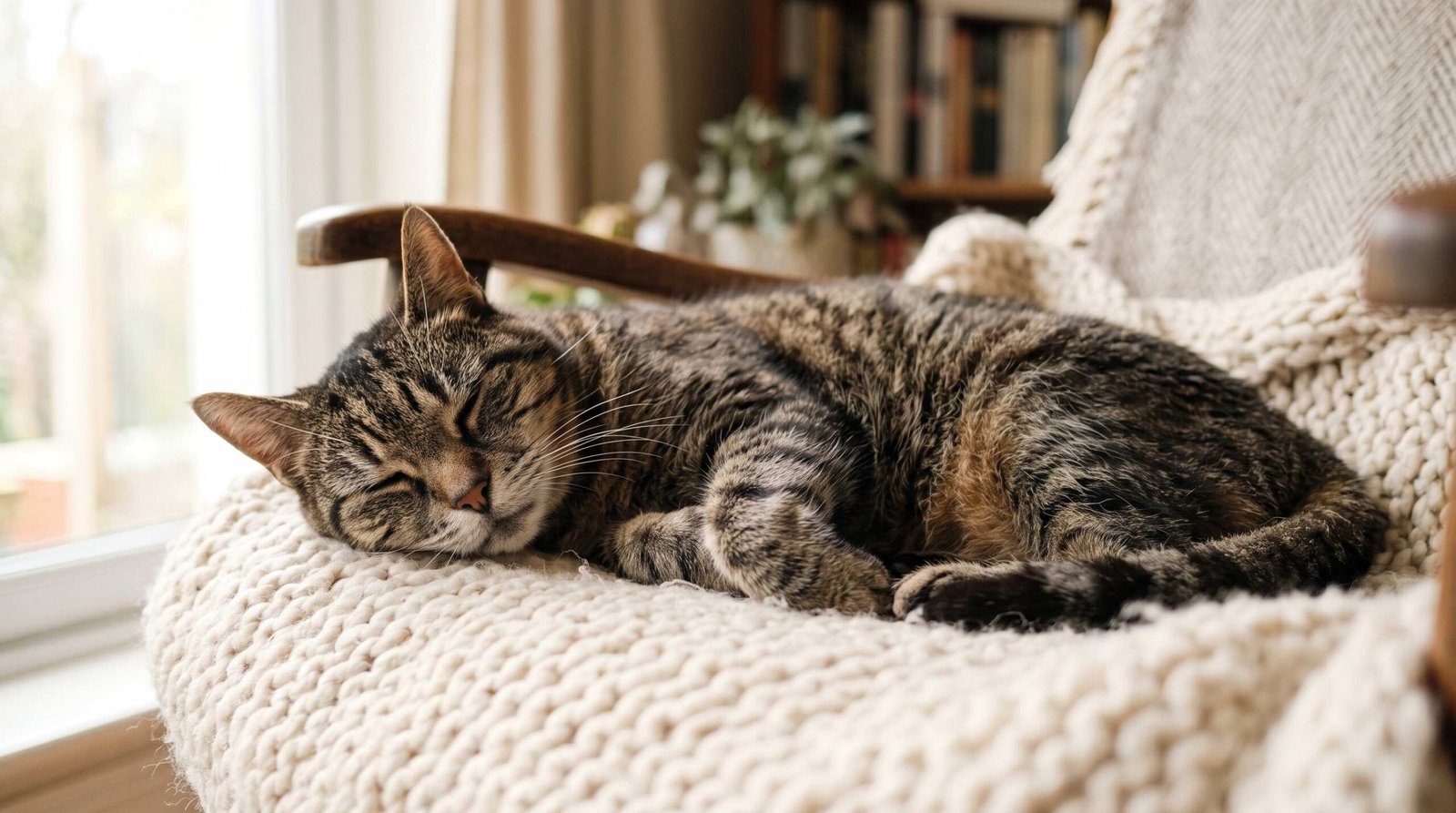
This is where gabapentin gets genuinely nuanced, and where standard dosing advice can go wrong. Older cats are not just small adults with grey whiskers. Their organ function, medication load, and physiology change the calculus in ways that deserve careful attention.
Chronic Kidney Disease (CKD)
This is the most important consideration of all, because it is common and consequential. Gabapentin is primarily excreted by the kidneys. It is not extensively metabolized by the liver; the body largely clears it unchanged through renal filtration. In a cat with reduced kidney function, that clearance slows down, which means the drug stays active in the body longer and accumulates more readily. The direct result is that sedation and ataxia become more pronounced and more prolonged, sometimes dramatically so.
For this reason, veterinarians typically use lower doses and longer intervals in cats with CKD. A dose that is routine for a healthy cat can leave a cat with kidney disease sedated and wobbly for far longer than intended. Do not give gabapentin at standard doses to a cat with significant CKD without explicit veterinary guidance. This is not a drug to improvise with in a kidney patient. If your cat has been diagnosed with, or is being evaluated for, chronic kidney disease, that diagnosis directly changes how gabapentin should be dosed. Our overviews of kidney disease in cats and the earlier signs of kidney disease in cats explain how to recognize and stage the condition, which is essential context before any renally cleared drug goes into the picture.
Hyperthyroid Cats
The news here is reassuring, with an asterisk. Gabapentin has been studied specifically in hyperthyroid cats, and the 2025 systematic review found it did not produce significant cardiovascular effects in that population, no meaningful change in blood pressure, heart rate, or echocardiographic findings. For a hyperthyroid cat who needs help tolerating a vet visit, that is genuinely good news.
The asterisk: hyperthyroid cats are frequently managed with methimazole, and untreated or long-standing hyperthyroidism can drive underlying cardiac changes, including thickening of the heart muscle. So while gabapentin itself appears cardiovascularly neutral, the cat receiving it may have cardiac considerations of her own. Always disclose a hyperthyroid diagnosis and its treatment to your vet. Our guide to hyperthyroidism in cats covers how the disease affects the heart and why full disclosure matters when layering on any new medication.
Hypertrophic Cardiomyopathy (HCM)
Cardiovascular safety was confirmed across the studies that examined it, which is meaningful for the many senior cats living with heart disease. Gabapentin did not disrupt cardiac parameters in the research reviewed. That said, a cat with advanced HCM, especially one already on cardiac medications, warrants closer monitoring simply because her margins are thinner. The drug appearing safe in study populations does not remove the need for individualized care in a cat with serious heart disease. If your cat has been diagnosed with heart disease, our explainer on hypertrophic cardiomyopathy in cats is worth reading alongside any conversation about adding gabapentin, so you understand what closer monitoring involves.
Polypharmacy
Many senior cats are taking three to five medications at once: a thyroid drug, a blood pressure medication, a diuretic like furosemide, a renal diet supplement, perhaps a pain medication. Each addition is another variable, another potential source of additive sedation or unexpected interaction. Gabapentin does not have many dangerous direct interactions, but it stacks with other CNS depressants, and its effects compound in a body already processing several drugs. Before starting gabapentin in a cat on multiple medications, a thorough medication review with your veterinarian is not optional. It is the step that catches the problems before they happen.
Age-Related Pharmacokinetics
Even cats without a formal CKD diagnosis experience declining kidney function as they age. Renal capacity narrows gradually, often before bloodwork flags anything as abnormal. Because gabapentin leans so heavily on the kidneys for clearance, this quiet age-related decline means older cats can be more sensitive to it than their lab values alone would suggest. The sensible approach is to start low, observe carefully, and report any prolonged sedation or lingering balance problems to your vet promptly so the dose can be adjusted.
When to Avoid Gabapentin in Cats
There are clear situations where gabapentin is contraindicated or requires exceptional caution.
Avoid it entirely in any cat with a known allergy or hypersensitivity to gabapentin. In cats with severe, end-stage kidney disease, gabapentin should only be used with careful veterinary supervision and substantial dose adjustment, given how heavily its clearance depends on renal function; in the most advanced cases the risk-benefit calculation may tip against using it at all, and that call belongs to your vet. Safety has not been established in pregnant or nursing cats, so it should be used in those animals only when a veterinarian judges the benefit to clearly outweigh the unknown risk. And gabapentin should never serve as the sole treatment for epilepsy: it is appropriate as an adjunct to primary anticonvulsants, but standalone seizure control requires additional, first-line medications.
Long-Term Use and Monitoring
Gabapentin can be used safely over the long term in cats, which matters enormously for chronic arthritis patients who may take it for the rest of their lives. Sensible monitoring makes that safe.
For a cat on daily gabapentin, we suggest a baseline kidney panel before starting and follow-up bloodwork roughly every six months. Because the drug is renally cleared, keeping an eye on kidney values ensures the dose still fits your cat’s changing physiology, particularly as she ages and renal function naturally shifts. VCA notes no specific mandatory monitoring beyond veterinary judgment, but for senior cats on long-term therapy, periodic kidney checks are a prudent habit.
If your veterinarian decides to discontinue gabapentin after weeks or months of use, the drug must be tapered gradually rather than stopped cold. This bears repeating because it is where serious errors happen: abrupt withdrawal in a cat who has been on gabapentin long-term can precipitate withdrawal seizures, a risk that is highest in cats taking it for seizure control. Let your vet set the taper schedule.
Watch for signs the dose needs revisiting. Persistent, profound sedation that does not ease, or severe balance problems lasting more than 24 hours, both suggest the dose may be too high (or that kidney function has declined and the drug is accumulating). At the opposite end, no discernible effect on anxiety or pain suggests the dose may be too low or that gabapentin is not the right tool for your cat. Either way, the answer is a conversation with your vet, not a unilateral change at home.
Frequently Asked Questions
How long does gabapentin take to work in cats?
Gabapentin acts quickly. Effects typically appear within one to two hours of an oral dose, according to VCA. For anxiety before a stressful event, this is why the standard guidance is to dose 90 to 120 minutes ahead, timing peak effect to coincide with the trigger. For chronic pain given on a schedule, you may notice improvement in comfort and mobility over the first days as the drug reaches steady levels in your cat’s system.
How long does gabapentin last in cats?
A single dose generally lasts about 8 to 12 hours in a healthy cat, and the drug should be largely cleared within 24 hours. That duration is why scheduled pain dosing usually falls every 8 to 12 hours. Importantly, the effect lasts considerably longer in cats with kidney or liver disease, because those organs clear the drug more slowly, allowing it to accumulate and prolong both benefit and side effects.
Is gabapentin safe for cats with kidney disease?
It can be, but only with veterinary supervision and dose adjustment. Gabapentin is primarily excreted by the kidneys, so cats with chronic kidney disease clear it more slowly, causing the drug to linger and side effects like sedation and wobbliness to last longer. Vets typically use lower doses and longer intervals in these cats. Never give standard doses to a cat with significant CKD without explicit guidance from your veterinarian, who will tailor the amount to kidney function.
Can I give my cat human gabapentin?
Only under veterinary direction, and dosing is the catch. The same molecule is used, but human capsules come in 100 mg, 300 mg, and 400 mg sizes, and even 100 mg is often too much for a cat. This is why compounding pharmacies frequently prepare cat-appropriate capsules or flavored liquids. Also verify that any human liquid formulation contains no xylitol. Never dose from a human prescription on your own; let your vet determine the correct amount and formulation.
What happens if I give my cat too much gabapentin?
Overdose amplifies the expected side effects. Expect pronounced sedation, significant ataxia and difficulty walking, and possibly vomiting or excessive drooling. The 2025 systematic review noted enhanced side effects at doses of 30 mg/kg and above. Gabapentin has a relatively wide safety margin, so a modest excess is rarely life-threatening, but a wobbly, heavily sedated cat can injure herself. If you suspect an overdose, contact your veterinarian or an emergency clinic right away with your cat’s weight and symptoms.
Can gabapentin be used long-term in cats?
Yes. Gabapentin is commonly used long-term for chronic conditions like feline osteoarthritis, and many cats take it safely for years. Long-term use pairs well with periodic monitoring: a baseline kidney panel and follow-up bloodwork about every six months, since the drug is renally cleared. The one firm rule is never to stop long-term gabapentin abruptly, as sudden withdrawal can trigger seizures. Any discontinuation should be a gradual taper directed by your veterinarian.
Does gabapentin make cats sleepy?
Yes, sedation is the most common effect and is entirely expected, especially at anxiety-level doses. Many owners notice their cat becomes drowsy, mellow, and a bit unsteady on her feet within a couple of hours. This is the drug working as intended. While your cat is sedated and wobbly, keep her in a safe, enclosed space away from stairs and high furniture to prevent falls. The sleepiness typically resolves within 8 to 24 hours, lasting longer in cats with kidney or liver disease.
Is gabapentin better than trazodone for cats?
Neither is universally better; they suit different situations. Gabapentin has stronger feline-specific evidence, including multiple randomized trials and a 2025 systematic review, and it treats both pain and anxiety, making it a natural choice for arthritic senior cats who also fear vet visits. Trazodone is a solid situational-anxiety and sedation option and can be an alternative or a partner drug. In some cases vets combine the two. Your veterinarian chooses based on your cat’s full health picture, including kidney and liver function.
RELATED POSTS
View all

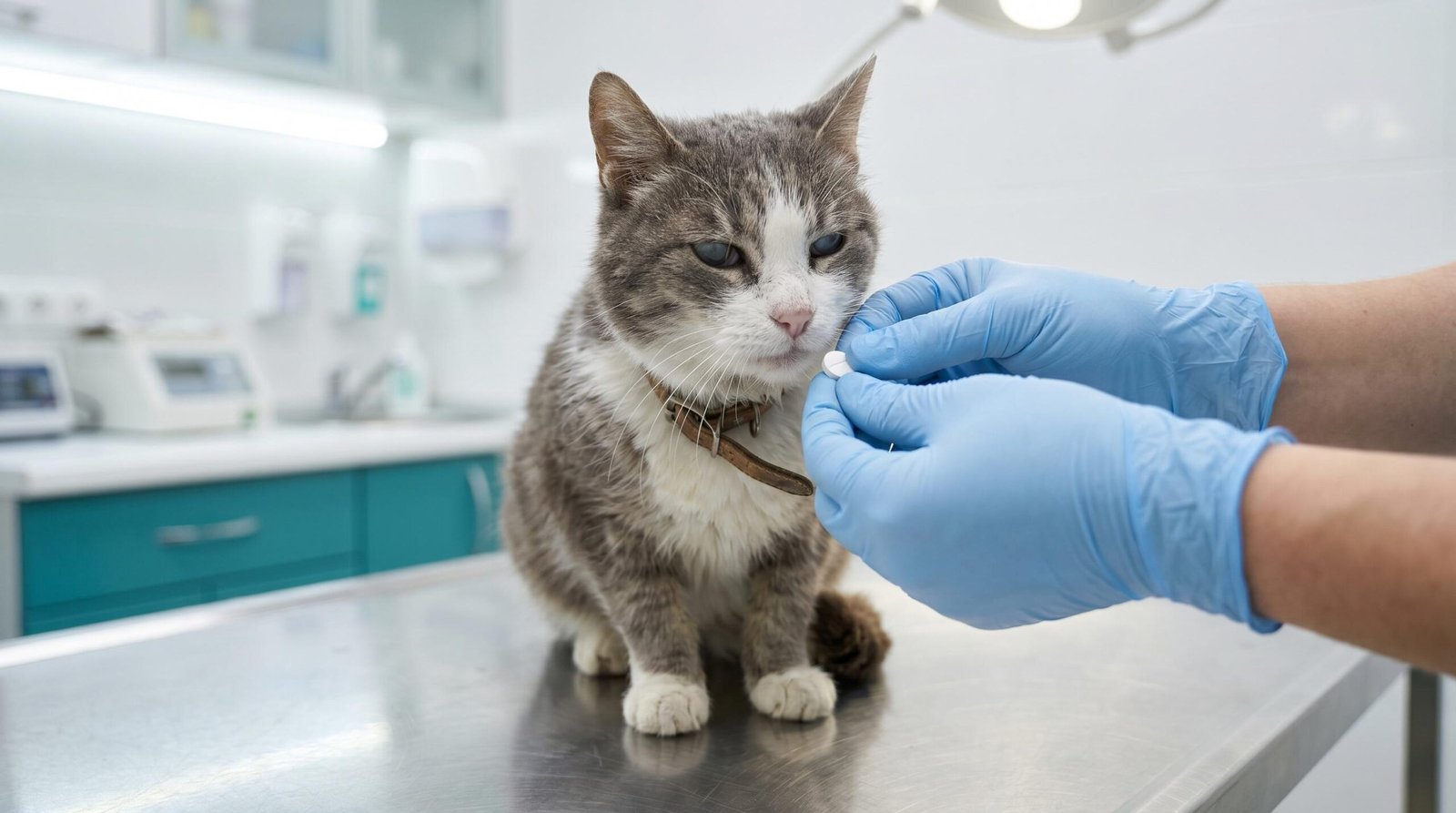
Trazodone for Cats: Uses, Dosage, Side Effects, and What the Research Actually Shows
June 5, 2026 | by Ian Adair
Kidney Disease in Cats: Complete Owner’s Guide to CKD Symptoms, Stages, and Treatment
May 28, 2026 | by Ian Adair
Hyperthyroidism in Cats: Symptoms, Treatment Options, and What Happens to the Kidneys
June 2, 2026 | by Ian Adair