Hyperthyroidism in Cats: Symptoms, Treatment Options, and What Happens to the Kidneys
Hyperthyroidism is the most common endocrine disorder in older cats, affecting more than 10% of cats over the age of 10 in the United States. It is caused, in roughly 97 to 98% of cases, by a benign growth on one or both lobes of the thyroid gland that pumps out excessive thyroid hormone and quietly drives the body into metabolic overdrive.
Quick Answer
Hyperthyroidism in cats is a disease in which an enlarged thyroid gland produces excessive amounts of thyroid hormone, accelerating the cat’s metabolism. It is almost always caused by a benign tumor (adenoma) of the thyroid gland and typically affects cats aged 10 and older. Classic signs include weight loss despite a strong appetite, increased thirst, vomiting, and hyperactivity. With treatment, most cats recover well and live for years afterward.
What Is Hyperthyroidism in Cats?
The thyroid gland is a small, bilobed structure that sits along either side of a cat’s windpipe, just below the larynx. Under normal conditions, it produces two iodine-containing hormones, thyroxine (T4) and triiodothyronine (T3), that regulate metabolic rate, heart function, body temperature, and a long list of downstream physiological processes. In a hyperthyroid cat, one or, more commonly, both thyroid lobes become enlarged and autonomously produce too much T4 and T3, regardless of what the rest of the body needs.
The Merck Veterinary Manual reports that around 97% of feline hyperthyroidism cases are caused by benign adenoma or adenomatous hyperplasia of the thyroid, and that both lobes are affected in roughly 70% of cats. Malignant thyroid carcinoma accounts for less than 3% of feline cases, which is a notable contrast with dogs, where carcinoma is the dominant form of thyroid disease. The biology of this disease in cats is, in effect, the slow expansion of benign hormone-producing tissue that no longer responds to normal pituitary feedback.
Hyperthyroidism is now recognized as the most common endocrine disorder of middle-aged and older cats worldwide. Because thyroid hormone touches almost every organ system, the consequences of unchecked overproduction are systemic: weight loss, cardiac hypertrophy, hypertension, gastrointestinal upset, and behavioral changes that owners often mistake for normal aging.
How Common Is Feline Hyperthyroidism?
According to a 2012 paper by veterinary endocrinologist Mark Peterson, hyperthyroidism affects more than 10% of cats over age 10 in the United States, and the disease has been climbing in prevalence since it was first described in 1979. Some regional epidemiological surveys have identified prevalence rates as high as 21% in older cats, with the underlying pathology overwhelmingly being functional adenoma rather than carcinoma. The Cornell Feline Health Center confirms that this is now considered the most common endocrine disorder of senior cats.
The typical age of onset is 10 to 13 years, although cats as young as 4 have been diagnosed. Cases under age 7 are rare enough to warrant careful workup for atypical causes. The disease shows no consistent sex predisposition, although some studies report a slight increase in spayed females.
One of the more interesting epidemiologic findings is that certain breeds appear genetically protected. A large case-control study published in the Journal of Veterinary Internal Medicine found that Burmese (odds ratio 0.01), Tonkinese, Persian, Siamese, Abyssinian, and British Shorthair cats all carried a significantly reduced risk of developing hyperthyroidism compared with domestic shorthairs. The leading hypothesis involves a tyrosinase gene polymorphism shared by colorpoint breeds, including Siamese and Himalayan cats. Tyrosine is a precursor of both melanin and thyroid hormone, and a temperature-sensitive mutation that limits melanin synthesis at warmer body sites may also alter tyrosine availability for thyroid hormone production. The mechanism is not fully proven, but the protective signal is consistent across multiple datasets.
Why have cases increased since the 1970s?
This is one of the most studied questions in feline medicine. Hyperthyroidism was rarely seen before 1979, and its dramatic rise has prompted decades of investigation. A 2024 critical review summarized in PMC evaluated multiple proposed factors, and current evidence implicates a combination of:
- Dietary iodine variability in commercial cat food. Iodine concentrations in commercial diets have varied widely over the decades, and both excess and deficiency have been proposed as risk factors for thyroid pathology.
- Endocrine-disrupting chemicals. Bisphenol A (BPA), used in the epoxy lining of many canned food containers, has structural similarity to thyroid hormone and acts as a receptor antagonist in laboratory models. Multiple case-control studies have found that cats fed primarily from pop-top cans carry a higher risk of hyperthyroidism. Research has not yet established direct causation in adult cats, and a 2021 serum study in elderly cats found measurable BPA in all samples without a clear correlation to thyroid status. The current consensus is that BPA and related compounds, possibly including BPS replacement chemicals, may act as one contributor among several.
- Longer indoor lifespans and improved geriatric care. Cats are simply living long enough to develop a disease that, biologically, takes a decade or more to unfold.
- Polybrominated diphenyl ether (PBDE) flame retardants. These compounds, used in household textiles and electronics, accumulate in house dust and have been measured in higher concentrations in hyperthyroid cats than in age-matched controls.
The clinical reality is that there is no single cause. Hyperthyroidism is best understood as a multifactorial disease in which long-term, low-level exposure to thyroid-disrupting compounds, combined with genetic susceptibility and dietary factors, drives the slow development of autonomous thyroid tissue.
Early Signs of Hyperthyroidism in Cats (What Most Owners Miss)
The paradox of early feline hyperthyroidism is that the cat often seems better, not worse. Owners commonly describe their hyperthyroid cat in the months leading up to diagnosis as “more energetic,” “playful like a kitten again,” or “always hungry now.” Because thyroid hormone accelerates metabolism, an early-stage hyperthyroid cat is, in effect, running on a chemical stimulant.
This is exactly why the disease is often caught late. A 12-year-old cat that suddenly seems lively, vocal, and ravenous looks healthier than the same cat sleeping 18 hours a day. The weight loss is subtle at first, often masked by a thick coat, and the increased appetite is reassuring rather than alarming. By the time owners notice that something is wrong, the cat has typically lost 10% or more of its body weight and may have developed secondary cardiac changes.
| Early Signs (Often Missed) | Classic / Advanced Signs |
|---|---|
| Mild weight loss with stable or increased appetite | Visible weight loss (10%+ of body weight) over 2 to 4 months |
| Increased restlessness or vocalization, especially at night | Persistent yowling, hyperactivity, behavioral irritability |
| “More like a kitten” energy in a senior cat | Constant pacing, inability to settle, tremors |
| Slight increase in thirst or food intake | Marked polyuria and polydipsia (excessive drinking and urinating) |
| Coat slightly less groomed or duller than usual | Unkempt, matted, or greasy coat; patchy hair loss |
| Occasional vomiting after meals | Frequent vomiting, diarrhea, ravenous appetite with ongoing weight loss |
| Subtle palpable enlargement at the neck | Easily palpable thyroid nodule, heart murmur, gallop rhythm |
Routine senior wellness exams that include annual or twice-yearly blood panels are the most reliable way to catch hyperthyroidism in its early stages, before secondary organ damage develops.
Classic Symptoms of Hyperthyroidism in Cats
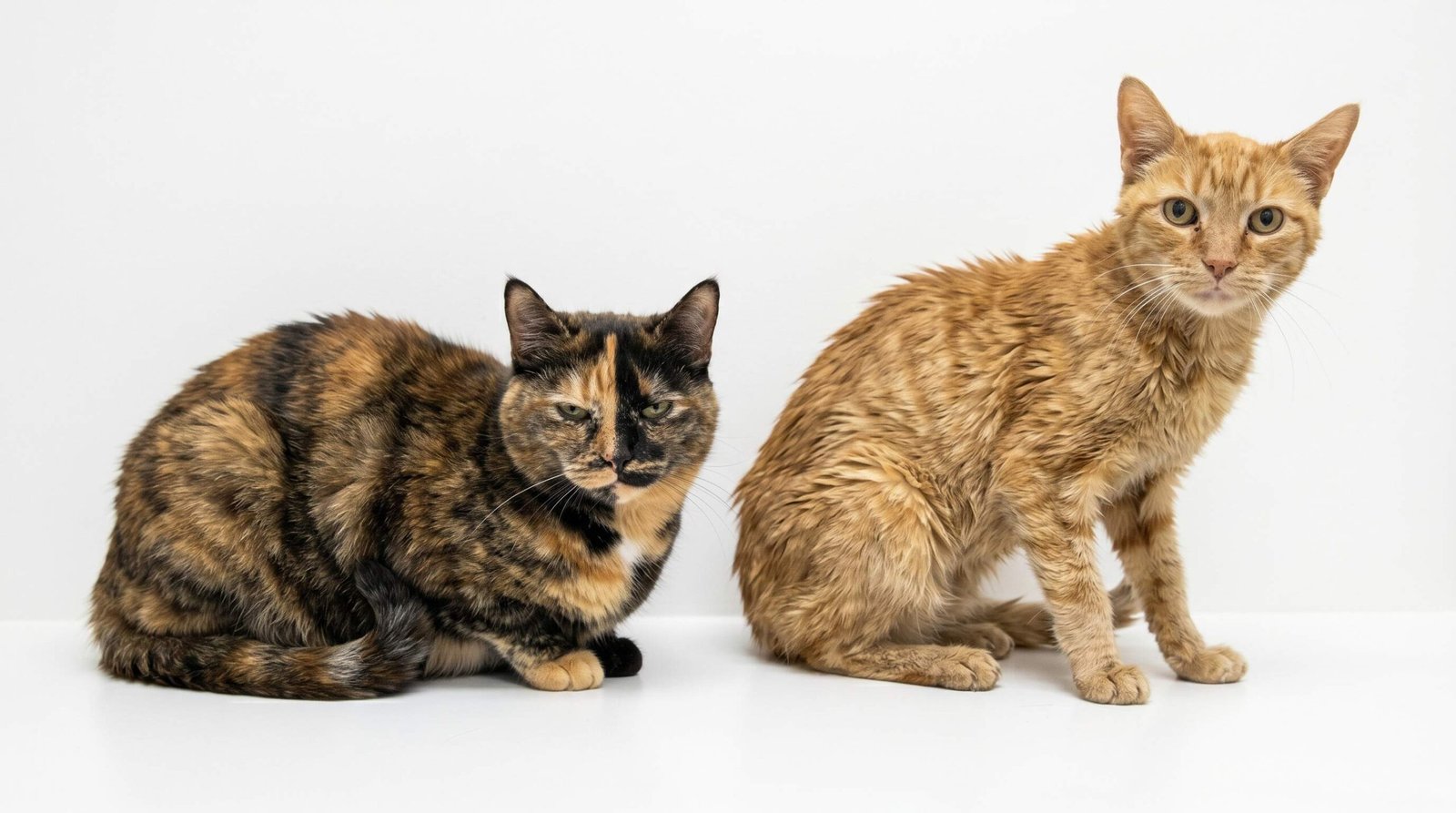
Once the disease has progressed, the symptom picture becomes more characteristic. Most affected cats present with at least three of the following findings:
- Weight loss despite normal or increased appetite. This is the most consistent clinical sign. The thyroid-driven metabolic rate exceeds the caloric intake the cat can sustain, even with vigorous eating.
- Polyphagia. Increased and often insatiable hunger.
- Hyperactivity and restlessness. Many cats become more vocal, especially at night, and may pace or appear unable to settle.
- Vomiting and diarrhea. Gastrointestinal hypermotility is common; some cats vomit shortly after eating.
- Polyuria and polydipsia. Increased thirst and urination are nearly universal in moderately advanced disease and often the first sign owners notice.
- Unkempt, matted, or greasy coat. Hyperthyroid cats frequently groom themselves less well as the disease progresses.
- Tachycardia, heart murmur, or gallop rhythm. Persistent thyroid hormone excess causes cardiac hypertrophy and arrhythmias. Roughly 20% of hyperthyroid cats develop systemic hypertension, which can damage the retinas, kidneys, brain, and heart.
- Behavioral changes. Irritability, aggression, or restlessness that seems out of character.
Thyroid Storm: The Acute Crisis
In rare cases, an untreated or destabilized hyperthyroid cat can decompensate into a syndrome called thyroid storm. This is an acute, life-threatening exacerbation of thyrotoxicosis described in the veterinary literature as a multisystem crisis involving fever, tachycardia or arrhythmia, central nervous system signs ranging from agitation to seizures, gastrointestinal collapse, and, in severe cases, sudden blindness or cardiac failure. Triggers can include stress, concurrent illness, anesthesia, vigorous thyroid palpation, or abrupt withdrawal of antithyroid medication.
A cat showing labored breathing, sudden disorientation, collapse, seizure, or acute blindness needs emergency veterinary care, not a wait-and-see approach. Thyroid storm is uncommon but carries a high mortality rate without prompt intervention.
How Is Hyperthyroidism Diagnosed?
Diagnosis is straightforward in most cats and rests on a combination of physical examination and bloodwork.
Physical Examination
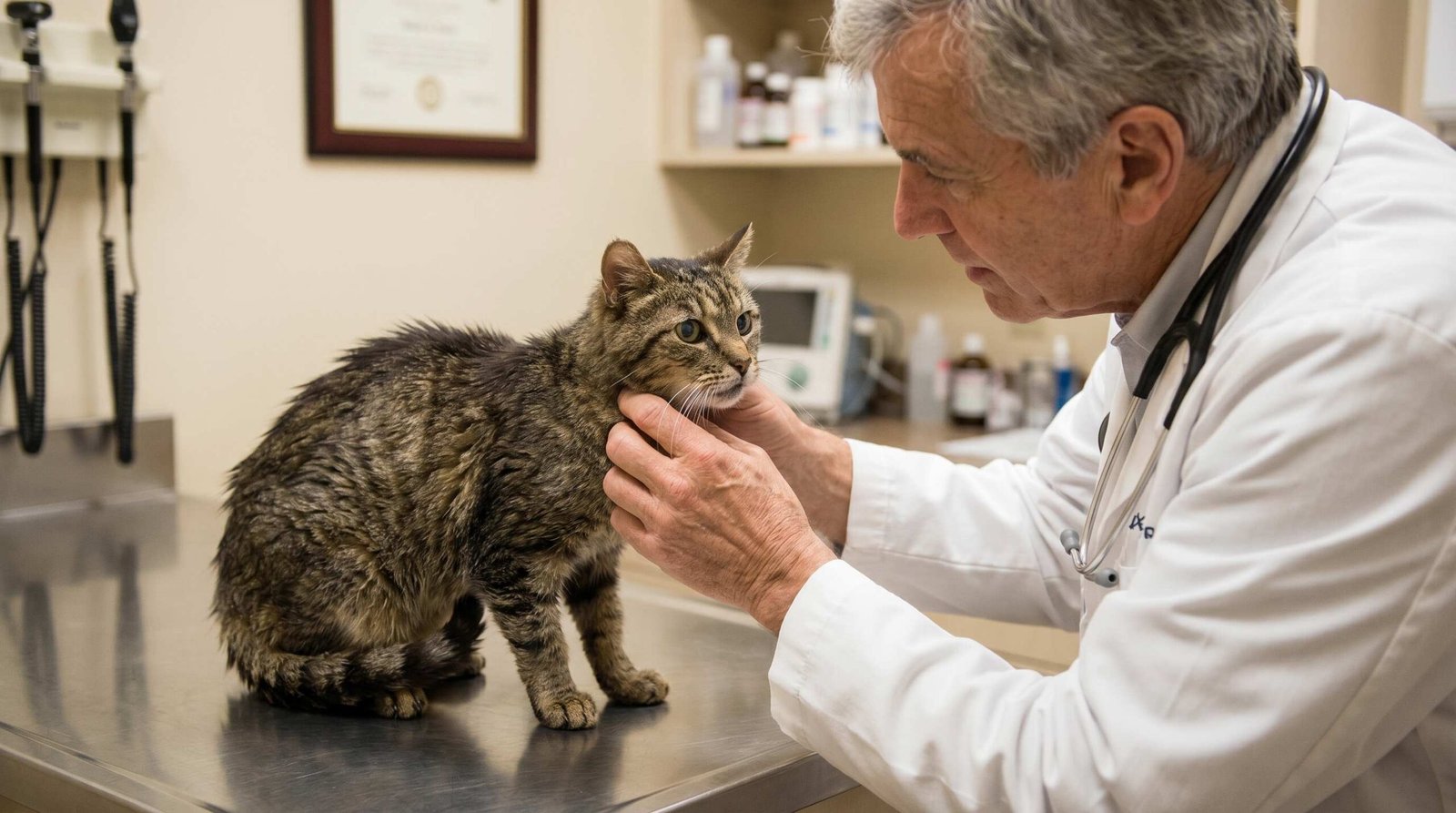
Veterinarians palpate the ventral neck for an enlarged thyroid lobe, which feels like a small mobile nodule sliding under the skin alongside the trachea. In experienced hands, a palpable nodule can be detected in the majority of hyperthyroid cats, although smaller nodules and intrathoracic (“ectopic”) thyroid tissue can be missed on physical exam alone.
Total T4 (TT4)
Measurement of serum total thyroxine is the standard screening test. Elevated TT4 above the laboratory reference interval, in the appropriate clinical context, confirms hyperthyroidism in the majority of cases. The Merck Veterinary Manual notes that approximately 5 to 10% of affected cats present with TT4 within the reference range, particularly in early disease or when a concurrent nonthyroidal illness suppresses thyroid hormone levels.
Free T4 by Equilibrium Dialysis (fT4ED)
For cats with clinical signs but borderline or normal TT4, free T4 measured by equilibrium dialysis is the more sensitive next step. fT4ED is elevated in the great majority of hyperthyroid cats but, because it can also be elevated by nonthyroidal illness, it should never be used as a standalone screen. The combination of high-normal TT4 plus elevated fT4ED is highly suggestive of true hyperthyroidism.
Supporting Diagnostics
A complete workup typically includes:
- Complete blood count and serum chemistry panel
- Urinalysis with urine specific gravity
- Systolic blood pressure measurement
- Cardiac auscultation, with thoracic radiographs or echocardiography if a murmur or gallop is present
- Thyroid scintigraphy in atypical or non-localizing cases, particularly to identify ectopic thyroid tissue
These additional tests matter clinically because hyperthyroid cats frequently have concurrent disease (most importantly chronic kidney disease and hypertension) that influences how treatment is sequenced.
The Four Treatment Options for Feline Hyperthyroidism
There are four established treatments for feline hyperthyroidism. Each controls or eliminates the disease through a different mechanism, and the right choice depends on the cat’s age, kidney function, owner preferences, and access to specialty care.
| Treatment | How It Works | Effectiveness | Approximate Cost (USD) | Pros | Cons |
|---|---|---|---|---|---|
| Methimazole (Felimazole tablets, Felanorm oral solution) | Blocks thyroid hormone synthesis; given orally twice daily, or as a transdermal gel applied to the ear pinna | Controls disease in most cats; not curative | $20 to $35/month for medication; $300 to $900 first-year total with monitoring | Low upfront cost; reversible; allows testing of kidney function before permanent treatment; widely available | Lifelong daily dosing; 10 to 15% of cats develop side effects (GI upset, facial pruritus, hepatopathy, rare blood dyscrasias); requires regular bloodwork |
| Radioactive Iodine (I-131) | Single subcutaneous injection of radioactive iodine selectively destroys hyperfunctional thyroid tissue | ~95 to 98% cure rate with a single dose | $1,500 to $3,500 plus pre-treatment diagnostics | Curative in nearly all cases; no anesthesia; spares normal thyroid tissue; addresses ectopic thyroid tissue; one-time cost | Requires 3 to 14 days of hospitalization at a licensed facility; not available in all regions; iatrogenic hypothyroidism develops in roughly 30 to 50% of treated cats and may require levothyroxine; can unmask underlying kidney disease |
| Surgery (Thyroidectomy) | Surgical removal of one or both affected thyroid lobes under general anesthesia | High when bilateral disease is identified and removed; recurrence in 10 to 20% over time | $1,200 to $3,000 per surgery | Potentially curative; widely available at general practices and specialty hospitals | Anesthetic risk in senior cats; risk of iatrogenic hypoparathyroidism with bilateral surgery; misses ectopic thyroid tissue; recurrence if abnormal tissue remains |
| Dietary Iodine Restriction (Hill’s Prescription Diet y/d) | Diet restricts iodine to ~0.2 ppm, starving the thyroid of substrate for hormone synthesis | Effective in compliant single-cat households; euthyroid in 8 to 12 weeks | $70 to $180/month | Non-invasive; no medication; reversible | Must be the sole food, with zero deviation; impractical in multi-cat homes or for cats that go outdoors; palatability issues; not curative; requires lifelong feeding |
Methimazole (Daily Medication)
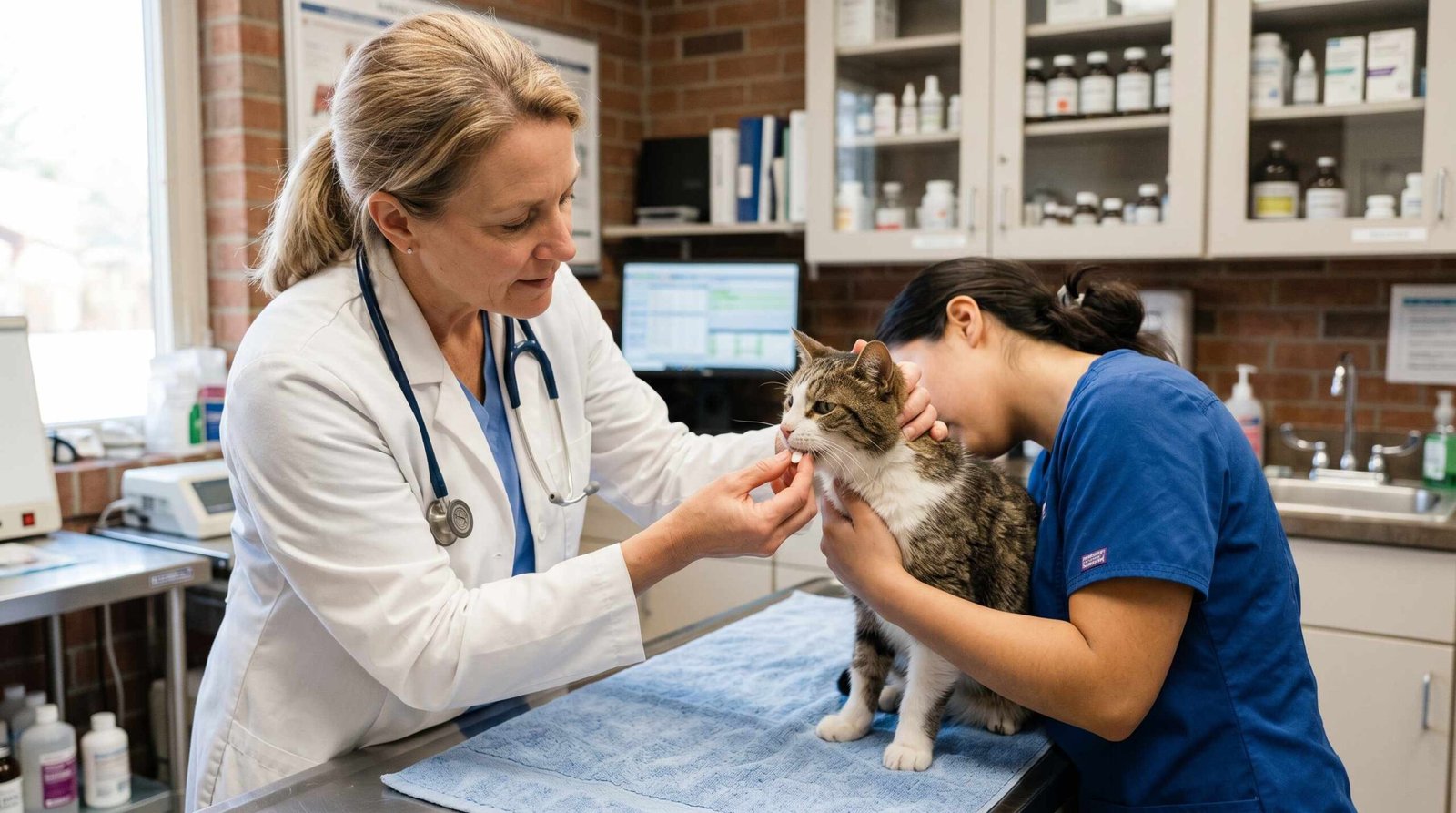
Methimazole works by inhibiting thyroid peroxidase, the enzyme that catalyzes thyroid hormone synthesis. Two FDA-approved formulations are available for cats in the United States: Felimazole, an oral tablet, and Felanorm, an oral solution. Both are dosed twice daily for most cats, typically starting at 1.25 to 2.5 mg per cat every 12 hours per Merck guidelines, and titrated upward based on serum TT4 response. A transdermal compounded gel is available for cats that resist oral medication, though absorption is more variable.
Methimazole is the most common first-line treatment in general practice. Side effects occur in roughly 10 to 15% of cats and most often include vomiting, anorexia, or transient lethargy that develops within the first 2 to 4 weeks of treatment. More serious but less common reactions include facial pruritus (cats scratching at their face until they bleed), hepatopathy, agranulocytosis, and thrombocytopenia. The Merck Veterinary Manual reports that serious reactions affect under 5% of treated cats and typically resolve within two weeks of discontinuation. Monitoring protocols generally include CBC, chemistry, and TT4 every two weeks for the first three months, then every three to six months once stable.
Methimazole controls but does not eliminate the underlying thyroid tissue, which is why it is not considered a cure. Its real strategic value, beyond cost, is that a 2 to 4 week methimazole trial lets the clinician test how the cat’s kidneys behave once thyroid hormone levels normalize, before committing to a permanent treatment like radioactive iodine.
Radioactive Iodine (I-131): The Gold Standard
Radioactive iodine therapy is the curative treatment of choice when it is accessible. A single subcutaneous injection of I-131 delivers radiation selectively to hyperfunctional thyroid tissue, which avidly concentrates iodine. Normal thyroid tissue, which is suppressed by negative feedback in a hyperthyroid cat, takes up minimal radioiodine and is largely spared. Ectopic thyroid tissue, which can be missed by surgery, is also addressed.
Cornell Feline Health Center reports a cure rate of approximately 95% with a single I-131 treatment. The remaining 5% typically respond to a second dose. The procedure requires no anesthesia and is performed at licensed facilities that can manage the post-injection radiation safety period, which typically involves 3 to 14 days of hospitalization while excreted radioactivity decays to safe levels.
Two important caveats apply. First, iatrogenic hypothyroidism develops in 30 to 50% of cats after I-131. A 2025 study in the Journal of Veterinary Internal Medicine found that levothyroxine supplementation in non-azotemic hypothyroid cats improved survival times (1037 days versus 768 days in unsupplemented cats), and we suggest TT4 rechecks at 1, 3, and 6 months post-treatment to identify cats that need supplementation. Second, hyperthyroidism can mask underlying chronic kidney disease; restoring euthyroid status can unmask azotemia. The kidney section that follows explains why this matters.
Thyroidectomy (Surgery)
Surgical removal of the affected thyroid lobe or lobes was once a mainstay of treatment and remains a reasonable option in regions where radioiodine is unavailable, or in cats that cannot tolerate medication. Outcomes are best when bilateral disease is correctly identified preoperatively and both lobes are removed in a single procedure or in staged surgeries.
The major surgical risk is iatrogenic hypoparathyroidism, which results from inadvertent damage to or removal of the parathyroid glands, which sit on or near the thyroid capsule. Hypocalcemia in the postoperative period can be life-threatening and requires prompt calcium and calcitriol therapy. Anesthetic risk is also a real concern in senior cats with cardiac changes; most surgeons stabilize the patient on methimazole for several weeks before surgery to reduce thyroid hormone-driven cardiovascular stress.
The Merck Veterinary Manual notes that even after bilateral thyroidectomy, more than 40% of cats can become persistently or recurrently hyperthyroid (often due to ectopic tissue), and more than 15% become hypothyroid. Surgery is rarely the first choice in modern practice unless radioiodine and medication are both unsuitable.
Dietary Iodine Restriction (Hill’s y/d)
Hill’s Prescription Diet y/d Feline restricts iodine to a level (approximately 0.2 ppm) that starves the thyroid of the substrate needed for hormone production. Most cats become euthyroid within 8 to 12 weeks of strict feeding. The diet must be the only food the cat eats. Treats, table scraps, prey items, or another cat’s food can all undermine therapy. This makes y/d genuinely impractical for multi-cat households, outdoor cats, or cats that are picky eaters.
For the right patient, in the right home, y/d controls hyperthyroidism well. It is a particularly useful option for cats that cannot tolerate methimazole and for whom radioiodine or surgery is not feasible. Like methimazole, it controls rather than cures the disease, and the underlying thyroid pathology continues to progress.
For most cats with straightforward hyperthyroidism and no other major comorbidities, we suggest starting with a 2 to 4 week methimazole trial to assess how the kidneys respond once thyroid hormone levels normalize, then moving to radioactive iodine as the definitive treatment if kidney function holds up. This sequence, used by most internists, gets cats to the best long-term outcome while protecting kidney function along the way.
The Kidney Disease Connection: What Every Cat Owner Must Know
This is the single most important point in feline hyperthyroidism management, and the one most likely to be poorly explained at diagnosis. Hyperthyroidism and chronic kidney disease (CKD) are both common in senior cats, and the two diseases interact in a way that has real consequences for treatment decisions.
Thyroid hormone increases cardiac output and renal blood flow, which in turn elevates the glomerular filtration rate (GFR). A higher GFR pushes more blood through the kidneys per minute and produces a serum creatinine that looks falsely reassuring. A hyperthyroid cat with concurrent moderate CKD often has a creatinine in the “normal” or “high-normal” range, because the hyperthyroidism is, in effect, compensating for the kidney damage. The kidneys are working harder than they should have to, and the bloodwork hides it.
When hyperthyroidism is treated, regardless of which method is used, GFR drops back toward normal. The kidneys are no longer being driven by elevated thyroid hormone, and creatinine often rises. In cats with truly normal kidneys, this is a benign return to baseline. In cats with previously masked CKD, it is the unmasking of disease that was already present. Roughly 15 to 40% of treated hyperthyroid cats are newly diagnosed with azotemic CKD within three to six months of becoming euthyroid.
This is a critical clinical point. The treatment did not cause the kidney disease. The kidney disease was already there, and the hyperthyroidism was disguising it. Owners sometimes blame methimazole or I-131 for “damaging” the kidneys, but the evidence does not support that interpretation. Multiple studies have shown that pre-treatment kidney status, not the treatment modality itself, is the dominant predictor of post-treatment azotemia. Cats with a pre-treatment urine specific gravity below 1.035 are at notably higher risk of post-treatment azotemia.
This is exactly why we suggest a methimazole trial of 2 to 4 weeks before committing to radioactive iodine in any cat with borderline kidney values or low urine concentration. Methimazole is fully reversible; if creatinine rises significantly during the trial, the dose can be reduced or stopped to allow a frank conversation about how aggressively to chase a true euthyroid state versus accepting a slightly elevated thyroid level to protect renal perfusion. Cats with concurrent CKD are sometimes deliberately maintained at a TT4 in the high-normal range, rather than fully euthyroid, to preserve GFR. This is a judgment call that depends on IRIS CKD stage and overall clinical status.
For a full breakdown of CKD stages and what they mean for your cat’s care, see our complete guide to kidney disease in cats. The early warning signs we describe in our guide to signs of kidney disease in cats can also co-exist with hyperthyroidism, and recognizing both pictures simultaneously is what makes for good geriatric feline care.
Life Expectancy and Long-Term Prognosis
Median survival times for cats treated for hyperthyroidism are well documented and depend heavily on whether concurrent CKD is present.
A 2018 retrospective study of 96 cats treated with a fixed 3.35 mCi dose of I-131 reported a median survival of 3.0 years, with one-year and two-year survival rates of 90% and 78% respectively. A 2021 study of 198 cats found a median survival of 1153 days (approximately 3.2 years), and identified post-treatment serum creatinine and age as significant predictors of survival. The 2025 study cited above found that euthyroid non-azotemic cats had the longest survival (1616 days), while euthyroid azotemic cats and non-supplemented hypothyroid cats fared notably worse (934 and 1232 days respectively).
Three patterns emerge from the literature:
- Cats with no concurrent CKD do well. Median survival after I-131 in cats with normal kidney function frequently exceeds 4 years, and many cats live 5 years or longer post-treatment. Death, when it comes, is usually from an unrelated cause of senior cat mortality such as cancer or progressive cardiac disease.
- Cats with concurrent moderate CKD have shorter survival. IRIS stage at the time of treatment is the single strongest prognostic indicator. Cats with IRIS stage 1 or early stage 2 CKD still have a reasonable prognosis with combined management.
- Untreated hyperthyroidism is progressive. Cats left untreated develop worsening cardiac hypertrophy, hypertension with risk of retinal detachment and stroke, severe muscle wasting, and eventual cardiac failure. Survival from diagnosis without treatment is typically less than two years and often much shorter.
The practical message is that treatment is almost always worth pursuing for a cat in reasonable general health, regardless of age. A 14-year-old hyperthyroid cat with no significant comorbidities can reasonably be expected to gain several quality years from definitive treatment. Old age, by itself, is not a contraindication to therapy.
Day-to-Day Management After Diagnosis
Once treatment is underway, daily management focuses on consistency and monitoring.
Medication schedule. Methimazole should be given at the same time each day, ideally twelve hours apart. If a dose is missed by more than four hours, give it as soon as remembered, but do not double the next dose. Consistency matters more than perfection; an occasional missed dose will not destabilize most cats, but a chronically irregular schedule will.
Monitoring. Cats on methimazole need bloodwork every two to three weeks for the first three months, then every three to six months once stable. Each recheck should include TT4, a chemistry panel that captures creatinine and BUN, and ideally a urinalysis and blood pressure measurement. Cats post-I-131 should have TT4 rechecked at 1, 3, and 6 months, with kidney values monitored at each visit.
Signs of over-treatment. Iatrogenic hypothyroidism, particularly common after I-131, presents as lethargy, weight gain, cold intolerance, and a dull coat. A TT4 below the lower reference limit, sustained over several rechecks and accompanied by clinical signs, may warrant levothyroxine supplementation, especially in azotemic cats where hypothyroidism appears to worsen kidney function.
Diet considerations. Unless the cat is on Hill’s y/d, dietary protein and caloric density should support recovery of lean muscle mass. Senior cats recovering from hyperthyroidism-driven muscle loss benefit from highly digestible protein at adequate caloric levels. Omega-3 fatty acids, which we discuss in the context of senior dogs in our fish oil guide, are equally relevant for senior cats, with evidence supporting their use in concurrent CKD and inflammatory conditions.
Multi-cat households. Make sure the treated cat actually eats the medication or prescription food, not the other cat’s. Separate feeding stations, and consider a wearable identifier if pilling is part of the routine.
When to See the Vet Immediately
Some signs require same-day or emergency veterinary attention rather than a wait-and-see approach.
Emergency (go now):
- Labored breathing, open-mouth breathing, or respiratory distress
- Sudden blindness, dilated pupils that do not respond to light, or bumping into furniture (suggests hypertensive retinal detachment)
- Seizure, collapse, or sudden weakness in the hind limbs
- Pale or bluish gums
- Yellow tint to the gums, eyes, or skin (suggests hepatopathy)
Same-day or within 24 to 48 hours:
- 5% or more body weight loss over 2 to 3 months in a senior cat
- New or worsening polydipsia and polyuria
- Persistent vomiting or anorexia in a cat on methimazole
- Severe facial scratching that may signal methimazole-induced pruritus
- A visible or palpable lump in the throat region
Can Hyperthyroidism in Cats Be Cured?
Radioactive iodine and bilateral thyroidectomy can both produce a true cure, meaning the cat no longer requires ongoing thyroid-specific therapy. Methimazole and dietary iodine restriction control the disease but do not eliminate the underlying adenomatous tissue, which will continue to grow if therapy is stopped. For owners who want a one-and-done answer in a cat with good kidney function, I-131 is the closest thing modern feline medicine offers to a cure for hyperthyroidism.
Frequently Asked Questions
How do I know if my cat has hyperthyroidism?
Suspect hyperthyroidism in any cat over age 10 that is losing weight despite a strong appetite, drinking and urinating more than usual, vomiting intermittently, or seeming unusually restless or vocal at night. A visibly unkempt coat is another common clue. Definitive diagnosis requires a blood test for total T4 (TT4), and in borderline cases, free T4 by equilibrium dialysis. Because TT4 can be normal in about 5 to 10% of affected cats, a single normal result does not rule out the disease if clinical signs are present. Annual or twice-yearly bloodwork for cats aged 10 and older is the most reliable way to catch early disease.
What does hyperthyroidism do to a cat’s kidneys?
Hyperthyroidism increases cardiac output and renal blood flow, which raises the glomerular filtration rate (GFR). The elevated GFR can mask underlying chronic kidney disease by pulling creatinine values into the normal range, even when the kidneys are damaged. When hyperthyroidism is treated and GFR returns to normal, creatinine often rises and CKD that was already present becomes visible on bloodwork. This is unmasking, not new damage caused by treatment. Cats with low pre-treatment urine specific gravity (below 1.035) are at higher risk of post-treatment azotemia. We suggest a short methimazole trial before permanent treatments like I-131 so that kidney response can be assessed safely.
What is the best treatment for hyperthyroidism in cats?
For most cats with normal kidney function, radioactive iodine (I-131) is the gold-standard treatment, with cure rates of approximately 95% from a single dose, no anesthesia, and a one-time cost. Methimazole is an excellent first-line choice when cost, accessibility, or kidney concerns are factors, and a methimazole trial is often used to test kidney response before committing to I-131. Surgery is now used less often but remains valid when radioiodine is unavailable. Dietary management with Hill’s y/d works well in compliant single-cat households. The right answer depends on the individual cat’s age, kidney status, owner logistics, and access to specialty care.
How long can a cat live with hyperthyroidism?
Treated cats typically live 2 to 4 years after diagnosis as a median, with many cats living 5 years or longer when concurrent kidney disease is absent. A 2018 study of cats treated with I-131 reported a median survival of 3.0 years, with 90% alive at one year and 78% at two years. The strongest negative prognostic factor is concurrent chronic kidney disease, particularly when post-treatment creatinine rises significantly. Untreated hyperthyroidism is progressive and usually shortens survival to under two years due to cardiac failure, hypertension, and severe weight loss. Age alone is not a contraindication to treatment.
Can hyperthyroidism in cats be cured?
Yes, radioactive iodine (I-131) cures hyperthyroidism in approximately 95% of cats with a single treatment. Bilateral thyroidectomy can also be curative when both affected lobes are removed and no ectopic tissue remains. Methimazole and dietary iodine restriction control the disease and keep cats clinically well, but they do not eliminate the underlying thyroid tumor, which will continue to grow if therapy stops. For cats with good kidney function and access to a radioiodine facility, I-131 is the closest thing to a permanent cure in feline medicine.
What should a hyperthyroid cat eat?
Unless the treatment plan is specifically dietary iodine restriction (Hill’s Prescription Diet y/d), there is no single required diet. A hyperthyroid cat recovering from muscle loss benefits from a highly digestible, protein-adequate diet with appropriate caloric density to rebuild lean mass. Avoid excessive iodine supplementation, and discuss any homemade or raw diet plans with your veterinarian before making changes. Cats with concurrent kidney disease may need a renal-supportive diet, which complicates choices and should be coordinated with your vet. If y/d is chosen as primary therapy, it must be the only food the cat eats, with zero treats, table scraps, or other cat food, which can be difficult in multi-cat homes.
How much does it cost to treat hyperthyroidism in cats?
Costs vary widely by treatment and region. In the United States, methimazole tablets typically run $20 to $35 per month, with first-year total costs of $300 to $900 including monitoring bloodwork. Hill’s y/d prescription diet runs roughly $70 to $180 per month. Radioactive iodine therapy is a one-time cost of approximately $1,500 to $3,500, plus pre-treatment diagnostics. Surgery ranges from $1,200 to $3,000 per procedure. Long-term, I-131 often becomes the most economical choice because it is curative and eliminates ongoing medication and monitoring costs. Pet insurance may cover hyperthyroidism if the policy started before diagnosis, although thyroid disease is a common exclusion when treated as pre-existing.
Working with Your Veterinarian
Hyperthyroidism is one of the most treatable diseases of senior cats. Diagnosis is straightforward, multiple effective treatments exist, and most cats return to a normal quality of life with appropriate care. The two pieces of advice that consistently improve outcomes are early detection through routine senior bloodwork, and careful sequencing of treatment to account for kidney function. If your senior cat is losing weight despite eating well, drinking more than usual, or simply seeming more restless than they used to be, ask your veterinarian for a thyroid panel. The earlier the disease is identified, the more options you have, and the better the long-term prognosis will be.
For additional reading on related senior cat health concerns, see our complete guide to kidney disease in cats and our overview of early signs of kidney disease in cats, which often co-exists with hyperthyroidism in cats over 10. Authoritative external references include the Cornell Feline Health Center, the Merck Veterinary Manual, the FDA’s overview of Felimazole and Felanorm, VCA Hospitals, and recent epidemiologic work summarized at PubMed Central and Virginia Tech Veterinary Medicine.