

Trazodone for Dogs: Uses, Dosage, Side Effects, and What the Research Actually Shows
December 22, 2023 | by seniorsniffs.com
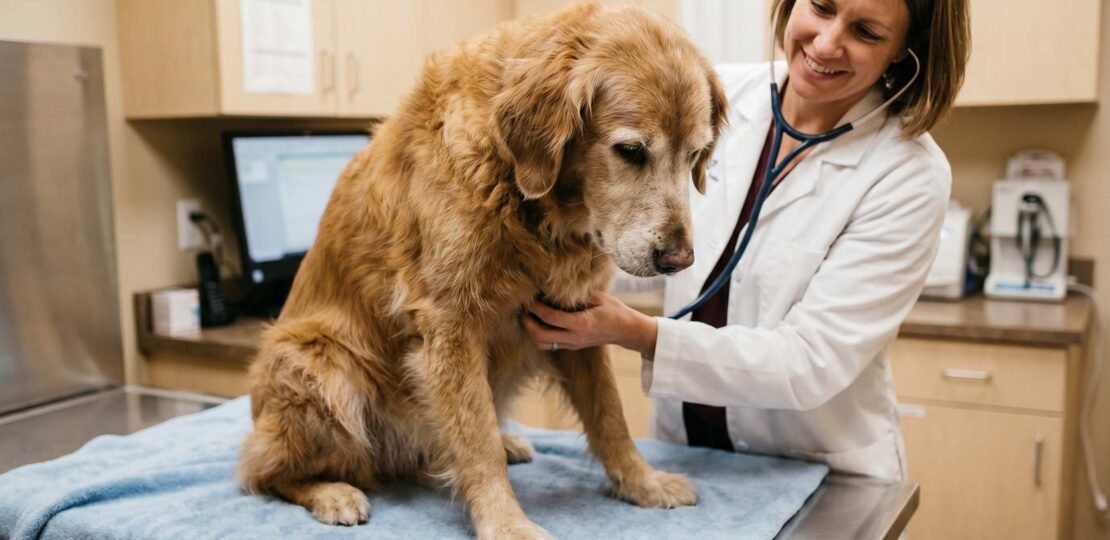
Trazodone for Dogs: Uses, Dosage, Side Effects, and What the Research Actually Shows
What Is Trazodone for Dogs?
Trazodone is a prescription antidepressant originally developed for humans in the 1960s and approved by the FDA for major depressive disorder in 1981. In veterinary medicine, it is used off-label, meaning the FDA has not approved a specific canine formulation, but veterinarians legally prescribe it based on clinical experience and peer-reviewed evidence.
Pharmacologically, trazodone is a serotonin antagonist and reuptake inhibitor, often abbreviated SARI. It blocks 5-HT2A and 5-HT2C serotonin receptors and antagonizes alpha-1 and alpha-2 adrenergic receptors. At higher doses, it also inhibits the serotonin transporter (SERT), which is the same mechanism most SSRIs use. The mixed receptor activity is why trazodone tends to produce sedation and calming at moderate doses rather than the stimulating activation profile seen with classic SSRIs.
For dog owners, the practical translation is this: trazodone slows reactive, anxious behavior without paralyzing motor function or producing a full anesthetic effect. Most dogs remain ambulatory and responsive, just less reactive.
What Is Trazodone Used For in Dogs?
Veterinarians prescribe trazodone for a fairly narrow band of clinical scenarios where short-term, predictable calming is needed. The medication does not treat the underlying cause of anxiety in dogs; it modulates the acute behavioral response.
Situational Anxiety
This is the most common reason trazodone is dispensed. Situations include:
- Thunderstorm and noise phobia. Given 1 to 2 hours before predicted storm activity or fireworks.
- Veterinary visits. Particularly for dogs with documented fear-aggressive behavior at the clinic. Many practices now follow Fear Free protocols and pre-medicate to make exams possible without restraint.
- Travel anxiety. Car rides, airline cargo (when permitted), or long road trips.
- Grooming appointments. Particularly for dogs that resist nail trims, baths, or clipper noise.
- Boarding or kennel stays. Short-term separation events.
- Separation anxiety. Used as an adjunct, not a primary treatment, since true separation anxiety typically requires behavioral modification plus a daily SSRI.
Post-Surgical Confinement
This is the use case with the strongest evidence base. After orthopedic procedures such as CCL repair, total hip replacement, or fracture fixation, dogs often need 6 to 12 weeks of strict crate rest. Active dogs find this miserable, and trying to jump, run, or play during this window can wreck the surgical repair. Trazodone reduces the agitation and improves compliance with cage rest. We will cover the Gruen 2014 study supporting this use in the research section below. If your dog is also being treated for chronic joint pain or arthritis in dogs, trazodone is sometimes used alongside analgesics to keep the dog calm during flare-ups when activity restriction is needed.
Situational vs. Daily Use
Trazodone can be prescribed two ways:
- Situational (PRN, “as needed”). Single dose given before a predictable stressful event. This is the most common use.
- Scheduled daily dosing. Used during post-op confinement (typically every 8 to 12 hours for 2 to 6 weeks) or as an adjunct to longer-term anxiety protocols.
The distinction matters because daily use raises the cumulative risk of side effects, drug interactions, and tolerance considerations. Situational dosing is generally safer for healthy adult dogs.
Trazodone Dosage for Dogs
Trazodone dosing is weight-based and varies by indication. The widely cited situational range is 2.5 to 3.5 mg/kg per dose. For ongoing or post-surgical use, doses up to 7 mg/kg every 8 to 12 hours have been documented in the literature. We suggest never adjusting dose without veterinary guidance, since dogs vary substantially in their individual response.
The table below provides typical dose ranges based on the protocols used in the Gruen 2014 post-surgical study and the dose ranges summarized in the 2021 Canadian Veterinary Journal review by Erickson and colleagues. Tablet strengths commercially available are 50 mg, 100 mg, 150 mg, and 300 mg, so doses are often rounded to fit available strengths.
| Dog Weight (lbs) | Situational/Event Dose (mg) | Post-Surgery/Confinement Dose (mg) | Daily Anxiety Dose (mg) |
|---|---|---|---|
| 10 lbs (4.5 kg) | 12.5 to 25 mg | 25 mg q12h | 12.5 to 25 mg q12h |
| 25 lbs (11.3 kg) | 25 to 50 mg | 50 to 75 mg q12h | 25 to 50 mg q12h |
| 50 lbs (22.7 kg) | 50 to 100 mg | 100 to 150 mg q12h | 50 to 100 mg q12h |
| 75 lbs (34 kg) | 100 to 150 mg | 150 to 200 mg q12h | 100 to 150 mg q12h |
| 100+ lbs (45+ kg) | 150 to 200 mg | 200 to 300 mg q12h | 100 to 200 mg q12h |
These numbers are illustrative ranges, not prescriptions. The Gruen 2014 study at NC State University started dogs at approximately 3.5 mg/kg every 12 hours and titrated upward as needed, with peak total daily doses reaching 21 mg/kg per day in some animals (PMC4414248). The Erickson 2021 review noted documented dose ranges of 3.5 to 12 mg/kg for hospitalization, given 90 minutes before procedures (PMC8360309).
For first-time dosing, most veterinarians suggest a trial dose at home a few days before the actual stressful event. This lets you observe how your individual dog responds without the added variable of the trigger itself.
How Long Does Trazodone Take to Work, and How Long Does It Last?
This is one of the most common questions owners ask, and the answer matters for timing the dose correctly around a trigger.
Onset of Action
Oral trazodone reaches peak plasma concentrations in dogs within roughly 30 to 90 minutes. The Gruen 2014 study reported median onset at 31 to 45 minutes, with more than 90 percent of owners observing effects within 16 to 90 minutes. VCA Hospitals notes that trazodone “should take effect within one to two hours.”
Practical timing recommendation: give trazodone 60 to 90 minutes before the expected trigger. For a 2 PM vet appointment, dose around 12:30 PM. For a thunderstorm forecast at 5 PM, dose by 3:30 PM at the latest.
Duration of Effect
The clinical effect typically lasts 6 to 12 hours, though this varies. The Gruen study reported a median duration of “4 or more hours” of behavioral effect, while pharmacokinetic data referenced in the goat model study (with canine extrapolation) describe a terminal half-life around 10 hours and therapeutic plasma levels maintained for roughly 6 to 8 hours.
Variables that affect duration:
- Dose size. Higher doses produce longer effects.
- Whether food was given. Food can slightly slow absorption but does not change total duration.
- Liver function. Dogs with hepatic disease metabolize trazodone more slowly, prolonging effects.
- Age. Senior dogs typically clear the drug more slowly.
- Individual variability. Two dogs of the same weight on the same dose may show meaningfully different responses.
If you need coverage longer than 8 hours, your veterinarian may prescribe a second dose at 8 or 12 hours rather than a single larger dose, since trazodone has a relatively flat dose-response curve at the upper end.
Trazodone Side Effects in Dogs
The safety profile of trazodone in dogs is generally favorable, but adverse events do occur. The Gruen 2014 study reported adverse events in 55.5 percent of dogs at least once, though all were mild and transient, and no dogs were withdrawn from the study for safety reasons.
Common Side Effects
- Sedation and lethargy. Expected at therapeutic doses. Often the desired effect, but can be excessive in sensitive dogs.
- Ataxia (wobbling, unsteady gait). The neurologic examination study found 22 percent of healthy dogs showed mild postural reaction deficits 2.5 hours post-dose.
- Vomiting or nausea. Particularly when given on an empty stomach. Giving with a small meal usually solves this.
- Hypersalivation. Brief drooling shortly after dosing in some dogs.
- Dilated pupils (mydriasis). Often a sign of effective sedation, not toxicity.
- Increased appetite. Some dogs show food-seeking behavior on trazodone.
- “Spacey” or drugged affect. Reported in roughly 13.5 percent of dogs in the Gruen study.
Paradoxical Excitement
A small subset of dogs respond to trazodone with the opposite of the expected effect: increased agitation, restlessness, vocalization, or even mild aggression. This appears related to the active metabolite mCPP (meta-chlorophenylpiperazine), which can be anxiogenic. If your dog shows worse anxiety after dosing rather than better, stop giving the medication and contact your vet. This response is unpredictable but seems to be more common in already highly anxious dogs.
Less Common but Serious Effects
- Cardiac arrhythmias. Trazodone can prolong the QT interval in humans. A 2023 placebo-controlled crossover study in dogs (PubMed 37807949) did not find significant cQT changes at standard doses but noted a measurable decrease in platelet aggregation, suggesting caution in dogs with bleeding disorders.
- Hepatotoxicity. The Erickson 2021 review references a single documented case of liver injury at 4 mg/kg q12 to 24h.
- Priapism. A persistent, painful erection requiring emergency treatment. Rare but documented in intact male dogs.
- Serotonin syndrome. The most clinically important risk. Covered in detail in the next section.
Serotonin Syndrome: What to Watch For
Serotonin syndrome occurs when serotonin levels in the central nervous system rise to toxic levels, usually from drug combinations or overdose. Signs typically appear within hours of dosing and include:
- Restlessness, agitation, confusion
- Tremors, muscle twitching, hyperreflexia
- Tachycardia (rapid heart rate, often more than 30 percent above baseline)
- Hyperthermia (elevated body temperature)
- Dilated pupils
- Vomiting and diarrhea
- Seizures in severe cases
- Coma in extreme cases
If you observe these signs, treat it as a veterinary emergency. Do not wait. Bring the medication container with you so the clinic can verify dose and timing.
Drug Interactions: The Serotonin Syndrome Risk
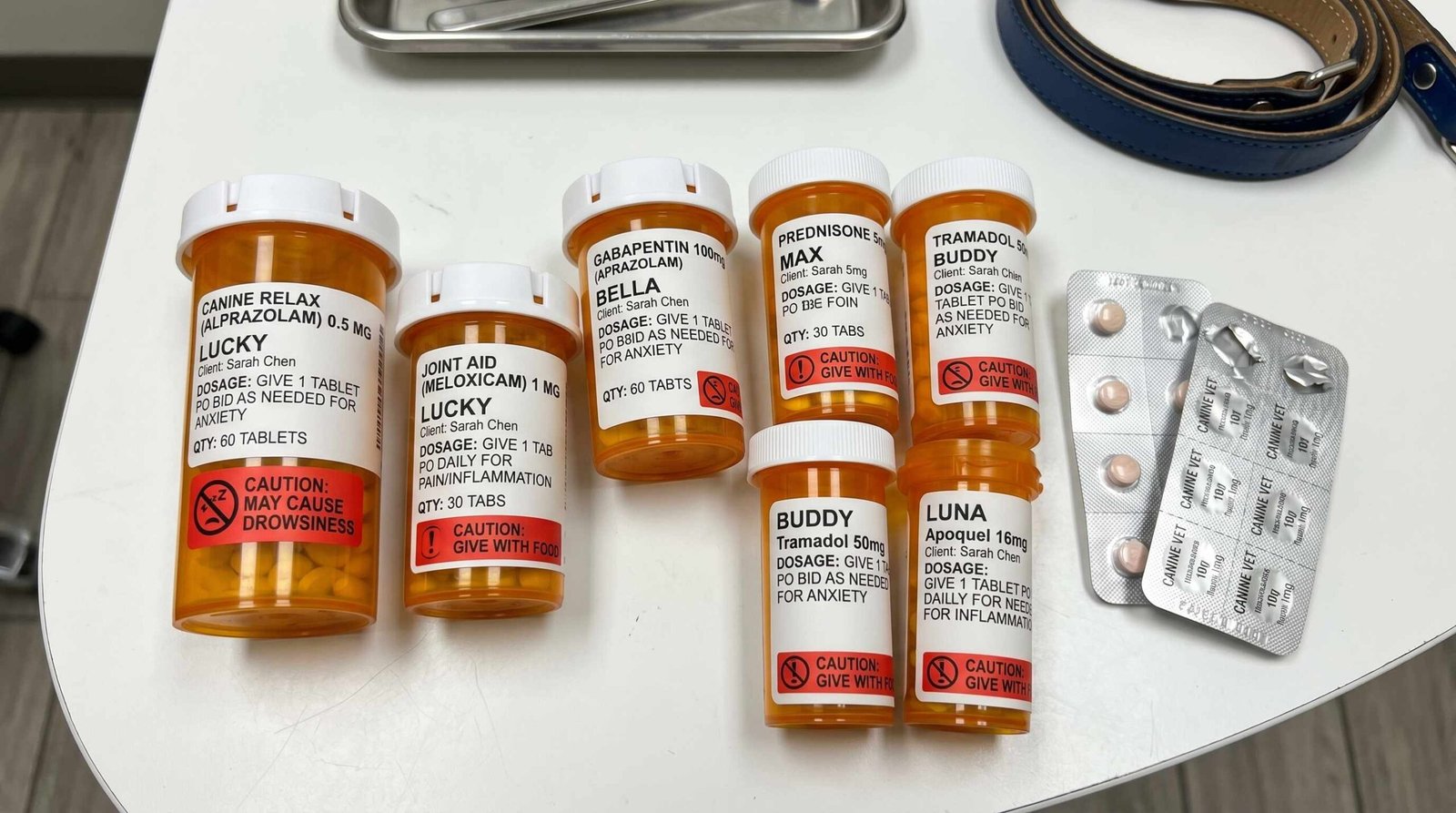
This is the section that matters most clinically. Trazodone is rarely dangerous in isolation. It becomes dangerous when combined with other serotonergic drugs, and this scenario plays out frequently in post-surgical recovery, where the same dog often receives multiple medications simultaneously.
A specific clinical concern: many practices prescribe tramadol for post-operative pain and trazodone for post-operative anxiety at the same time. Both drugs increase serotonergic activity. While the Gruen study reported concurrent use without major adverse events at the doses tested, the theoretical interaction risk is real, and we suggest discussing this combination openly with your veterinarian, especially if either dose is at the upper end. For broader context on options for pain management, see our guide to pain medication for dogs.
| Drug Name | Interaction Type | Risk Level | What to Do |
|---|---|---|---|
| Tramadol | Additive serotonergic effect | High (common scenario) | Use together only under vet supervision; monitor for serotonin syndrome signs |
| Fluoxetine (Reconcile, Prozac) | SSRI; additive serotonergic effect | High | Use together cautiously, often with lower trazodone dose; close monitoring |
| Sertraline, Paroxetine, other SSRIs | Additive serotonergic effect | High | Same precautions as fluoxetine |
| Clomipramine (Clomicalm), TCAs | Tricyclic; additive serotonergic effect | High | Combine only with veterinary behaviorist input; monitor closely |
| Selegiline (Anipryl), MAO inhibitors | Severe additive serotonergic effect | Contraindicated | Do not combine; wait at least 2 weeks between drugs |
| Ondansetron (Zofran) | Mild serotonergic effect | Low to moderate | Generally safe at standard doses; mention to vet |
| Other CNS depressants (gabapentin, benzodiazepines, opioids) | Additive sedation | Moderate | Increased sedation likely; doses often reduced |
| NSAIDs (carprofen, meloxicam) | Possible increased bleeding risk | Low | Standard combination; monitor for GI signs |
| Digoxin, phenytoin | Trazodone may raise plasma levels | Moderate | Veterinary monitoring of levels recommended |
| St. John’s Wort, 5-HTP supplements | Additive serotonergic effect | High | Avoid combination |
If your dog is on any chronic medication, bring a current list to the appointment when trazodone is being considered. Verbal recall of supplements is often incomplete, and supplements are a recurring blind spot for serotonin syndrome cases.
Trazodone vs. Gabapentin for Dogs
These are the two most commonly prescribed pre-visit and situational anxiety medications in small animal practice. They are sometimes used alone, sometimes combined, and many owners search for a head-to-head comparison. The honest answer is that they do different things, and the right choice depends on the dog.
| Feature | Trazodone | Gabapentin |
|---|---|---|
| Mechanism | Serotonin antagonist and reuptake inhibitor (5-HT2A, 5-HT2C, alpha-adrenergic blockade) | Calcium channel modulator; reduces neurotransmitter release in the CNS |
| Primary Use | Situational anxiety, post-surgical confinement, fear at vet visits | Neuropathic pain, seizures, situational anxiety (especially in cats and dogs) |
| Onset Time | 30 to 90 minutes | 1 to 2 hours |
| Duration | 6 to 12 hours | 6 to 8 hours |
| Common Side Effects | Sedation, ataxia, vomiting, occasional paradoxical excitement | Sedation, ataxia, mild GI upset; very rarely paradoxical excitement |
| Can Use Together? | Yes, frequently combined under vet supervision | Yes, frequently combined under vet supervision |
| Prescription Required | Yes | Yes (non-controlled in most US states; controlled in some) |
Trazodone tends to produce more pronounced behavioral calming with somewhat heavier sedation; gabapentin tends to produce milder sedation and is favored when the dog also has a pain component or seizure history. Combination protocols, sometimes adding dexmedetomidine gel as a third agent for severe fear at the vet, are well-described in the Erickson 2021 review. For a deeper dive into the gabapentin side of the picture, see our complete guide to gabapentin for dogs.
A practical clinical note: if a dog has not responded adequately to one drug alone at maximum tolerated dose, switching to the other is reasonable. Adding the second to the first (combination therapy) is usually a more effective next step than escalating either drug into a high-side-effect zone.

Senior Dog Considerations
This is where most generic trazodone articles fall short. Senior dogs are not just smaller, slower versions of adult dogs from a pharmacology perspective. Several age-related changes meaningfully alter how trazodone behaves in the body.
Slower Drug Metabolism
Older dogs typically have reduced hepatic blood flow and lower cytochrome P450 enzyme activity. Trazodone is metabolized primarily by the liver via CYP3A. The practical result is that the same milligram dose produces higher and longer-lasting plasma concentrations in an 11-year-old Labrador than in a 4-year-old of the same weight. For senior dogs we suggest starting at the low end of the dose range, often 2 to 2.5 mg/kg, and titrating upward only if needed.
Organ Function Decline
Chronic kidney disease (CKD) and liver disease are common in senior dogs. While trazodone is not heavily cleared by the kidneys, both conditions slow elimination of the drug and its active metabolites. Pre-treatment bloodwork including a chemistry panel, especially ALT, ALP, BUN, creatinine, and SDMA, is reasonable for any senior dog being started on a new medication. Dogs with documented hepatic disease may need substantial dose reductions or alternative drugs.
Polypharmacy Risks
The average senior dog in our experience is on three or more medications at any given time: a joint supplement, an NSAID, perhaps a heart medication, perhaps a thyroid replacement, perhaps a behavior-modifying SSRI. Each addition raises the interaction surface area. Before adding trazodone, write down every medication, every supplement, and every dietary additive your dog receives, and review the list with your veterinarian.
Some specific combinations to flag in seniors:
- Trazodone plus an SSRI like fluoxetine prescribed for cognitive dysfunction in senior dogs requires careful dose calibration
- Trazodone plus cardiac medications (pimobendan, diuretics) may interact via cardiovascular pathways; closer monitoring of heart rate is advised
- Trazodone plus tramadol, a common combination in older dogs with chronic pain, raises the serotonergic load discussed earlier
Cognitive Dysfunction Overlap
Senior dogs with cognitive dysfunction in senior dogs sometimes show anxious or agitated behavior, especially at night (sundowning). Trazodone is occasionally used to help these dogs sleep. The catch is that cognitively impaired dogs can be more susceptible to confusion, disorientation, and paradoxical reactions on the drug. If your senior dog already shows signs of cognitive decline, start at a low dose, give it during the day for a trial, and observe closely before using it routinely overnight.
Monitoring Recommendations
For any senior dog on trazodone, particularly daily dosing:
- Bloodwork at baseline and every 6 months
- Blood pressure monitoring if cardiac disease or hypertension is present
- Owner-tracked diary of dose, time, response, and any side effects
- Reassessment of need every 3 to 6 months; some situational stressors resolve and the drug can be discontinued
What the Research Actually Shows
Trazodone has been used in veterinary medicine for roughly two decades, but the evidence base is uneven. We will be specific about what is well-supported and what remains speculative.
The Gruen 2014 Post-Surgical Confinement Study
The landmark trial supporting trazodone for post-op cage rest is Gruen et al., published in JAVMA and freely available at PMC4414248 (Gruen et al., JAVMA 2014). This was a prospective open-label study at NC State University with 36 dogs that completed the protocol, mean age 3.0 years, mean weight 32 kg. Most underwent CCL stabilization, total hip replacement, patellar luxation repair, or fracture fixation, exactly the procedures where strict cage rest is hardest to enforce.
Key findings:
- Approximately 88.9 percent of owners rated trazodone “moderately or extremely helpful” by the final survey at 8 to 12 weeks
- Statistically significant improvements in greeting behavior intensity (P = 0.0027) and overall calmness (P = 0.0321)
- Median onset 31 to 45 minutes; duration of behavioral effect at least 4 hours
- 69.4 percent of owners continued trazodone beyond the required study period
- No dogs withdrawn for adverse events; one accidental 20 mg/kg overdose produced only mild sleepiness with normal lab values
- Doses started at 3.5 mg/kg q12h and escalated to 7 mg/kg q12h or 7 to 10 mg/kg q8h as needed
This study is the reason trazodone became the standard-of-care option for post-op confinement compliance. The limitations are important: open-label design, no placebo control, and owner-reported outcome measures. The authors themselves called for a placebo-controlled trial.
The Erickson 2021 Review of Pre-Appointment Medications
Erickson, Sinn, and colleagues published a peer-reviewed review in the Canadian Veterinary Journal in 2021 (PMC8360309) summarizing the evidence for trazodone, gabapentin, oral transmucosal dexmedetomidine, and alprazolam for situational anxiety. Several findings are worth highlighting:
- Trazodone has been studied at hospitalization doses of 3.5 to 12 mg/kg given roughly 90 minutes before procedures
- One observational study found significant decreases in lip licking, panting, and whining in hospitalized dogs on trazodone
- Critically, the one fully blinded, placebo-controlled trial included in the review found no statistically significant differences between trazodone and placebo for post-orthopedic anxiety relief
- The authors concluded trazodone may be best understood as a hypnotic-sedative rather than a true anxiolytic in dogs
This is an important nuance for owners and prescribers. Trazodone reliably makes dogs sleepier and less reactive, which is often functionally what is needed. Whether it is “treating anxiety” in the strict sense or simply blunting behavioral responses through sedation is a question the literature has not fully resolved.
What This Means Practically
The strongest evidence supports trazodone for:
- Post-surgical confinement
- Acute situational sedation for vet visits, grooming, travel
- Short-term use during identifiable triggers (storms, fireworks)
The weaker evidence concerns:
- Long-term daily anxiety management (most data come from short trials)
- True separation anxiety as a primary treatment (SSRIs with behavioral modification remain first-line)
- Generalized anxiety as monotherapy
Owners are entitled to know when their dog is getting an evidence-backed treatment and when they are getting a reasonable empirical choice with thinner data.
How to Give Trazodone to Your Dog
Tablets come in 50, 100, 150, and 300 mg strengths. The 100 and 150 mg tablets are scored and can be split. Extended-release formulations exist but are uncommon in veterinary use; if your prescription is for an extended-release product, do not crush, split, or chew it.
With or Without Food
Trazodone can be given either way. Food may slightly delay onset by 10 to 20 minutes but does not change overall efficacy. We suggest giving with a small treat or meal if your dog tends toward GI sensitivity, since this reduces the rate of vomiting and nausea.
Timing Before Triggers
Give the dose 60 to 90 minutes before the expected stressor. Common scheduling mistakes:
- Dosing too late, expecting effect within 15 minutes
- Dosing too early, with the peak effect already declining when the trigger hits
- Dosing only after the dog is already in distress, when absorption is slowed by stress-related GI shutdown
For unpredictable triggers like sudden storms, keep a dose on hand and give as soon as the trigger seems likely, accepting that protection may be partial.
Tapering and Stopping
For situational use, no taper is needed; just stop when the trigger is gone. For dogs that have been on daily trazodone for more than 4 to 6 weeks, abrupt discontinuation can produce mild withdrawal-like symptoms (restlessness, GI upset, sleep disturbance). We suggest tapering over 1 to 2 weeks under veterinary direction, typically by halving the dose for several days before stopping.
Missed Doses
If you forget a dose, give it as soon as you remember unless it is close to the next scheduled dose. Never double up. For situational use, if the event has passed, skip the dose entirely.
Storage and Handling
Store at room temperature, away from light and humidity. Keep out of reach of children and other pets; accidental ingestion is a common emergency call to ASPCA Animal Poison Control. If you suspect accidental ingestion of more than the prescribed dose, contact a veterinary emergency line immediately. For general clinical reference, the VCA Hospitals overview of trazodone in pets is a reasonable layperson-accessible summary.
Frequently Asked Questions
Can I give my dog trazodone without a prescription?
No. Trazodone is a prescription medication in the United States, Canada, and most other countries. Veterinary use is off-label, which means a licensed veterinarian must write the prescription based on examining your dog. Buying or using leftover human trazodone without veterinary direction is unsafe because the dose, indication, and drug interactions have not been individualized to your dog.
How long does trazodone last in dogs?
The clinical effect typically lasts 6 to 12 hours in most dogs. Peak effect is around 1 to 3 hours after dosing, with gradual decline over the following several hours. Dogs with liver disease, kidney disease, or advanced age may experience longer-lasting effects. If you need coverage beyond 8 hours, your vet may prescribe two smaller doses given 8 to 12 hours apart rather than one large dose.
Can trazodone and gabapentin be given together?
Yes, this combination is commonly prescribed for dogs with severe situational anxiety, often before vet visits or grooming appointments. The drugs work through different mechanisms (serotonergic versus calcium channel modulation), so the effects are additive rather than redundant. Combined use does increase sedation, so doses are sometimes reduced compared to single-drug protocols. This combination should only be used under veterinary direction.
What are the signs of trazodone overdose in dogs?
Signs of overdose include profound sedation, ataxia (severe wobbling or inability to stand), vomiting, tremors, agitation, rapid heart rate, hyperthermia, dilated pupils, and in severe cases seizures or collapse. If you suspect overdose, contact your veterinarian or an animal poison control hotline (ASPCA APCC: 888-426-4435, or Pet Poison Helpline: 855-764-7661) immediately. Bring the medication container with you to any emergency visit.
Is trazodone safe for senior dogs?
Generally yes, but with caveats. Senior dogs typically need lower starting doses (often 2 to 2.5 mg/kg rather than 3 to 3.5 mg/kg) because of slower hepatic metabolism. Baseline bloodwork is sensible to identify undiagnosed kidney or liver disease that would change drug clearance. Dogs on multiple other medications need a thorough interaction review. With those precautions, trazodone is used routinely and safely in geriatric patients.
What happens if I miss a dose?
For situational dosing, simply skip the missed dose if the trigger is no longer relevant. For daily dosing, give the missed dose as soon as you remember unless it is within a few hours of the next scheduled dose; in that case, skip the missed dose and continue the regular schedule. Never give two doses close together to “catch up.”
Can trazodone cause serotonin syndrome in dogs?
Yes, particularly when combined with other serotonergic drugs such as tramadol, fluoxetine, sertraline, clomipramine, selegiline, or supplements like St. John’s Wort and 5-HTP. At standard monotherapy doses, the risk is low. The risk rises substantially with multi-drug combinations or accidental overdose. Signs include agitation, tremors, rapid heart rate, hyperthermia, and dilated pupils, and they require emergency veterinary care.
Does trazodone make all dogs sleepy?
Most dogs experience some degree of sedation, but a small percentage show paradoxical excitement instead, becoming more agitated rather than calmer. This is thought to relate to an active metabolite called mCPP that can be anxiogenic in some individuals. We suggest a low-dose trial at home before relying on trazodone for a high-stakes event like a flight or surgical procedure, so you know how your individual dog responds.
RELATED POSTS
View all

Fish Oil for Dogs: Benefits, Dosage by Weight, and What the Research Actually Shows
December 22, 2023 | by seniorsniffs.com
Arthritis in Dogs: Symptoms, Stages, and Treatment Options That Actually Work
December 22, 2023 | by seniorsniffs.com
Gabapentin for Dogs: Uses, Dosage, Side Effects, and What the Research Actually Shows
December 22, 2023 | by seniorsniffs.com