Prednisone for Dogs: Uses, Dosage, Side Effects, and What the Research Shows
If your vet just handed you a bottle of prednisone, you probably have questions about what it does, how much your dog should take, and what you might notice at home over the next few weeks. Here is the short version first.
Quick answer: Prednisone is a synthetic corticosteroid that mimics cortisol to calm inflammation and suppress an overactive immune system. Vets prescribe it for allergies, autoimmune disease, inflammatory conditions, and cancer support, usually at 0.5-2 mg/kg/day depending on the condition. Most dogs tolerate short courses well, but long-term use requires regular monitoring.
The rest of this guide explains how prednisone works, how dosing changes with the condition and your dog’s size, which side effects are common and which are serious, and why older dogs need extra care. We have paid particular attention to senior dogs, because age changes how the body handles this drug in ways most guides never mention.
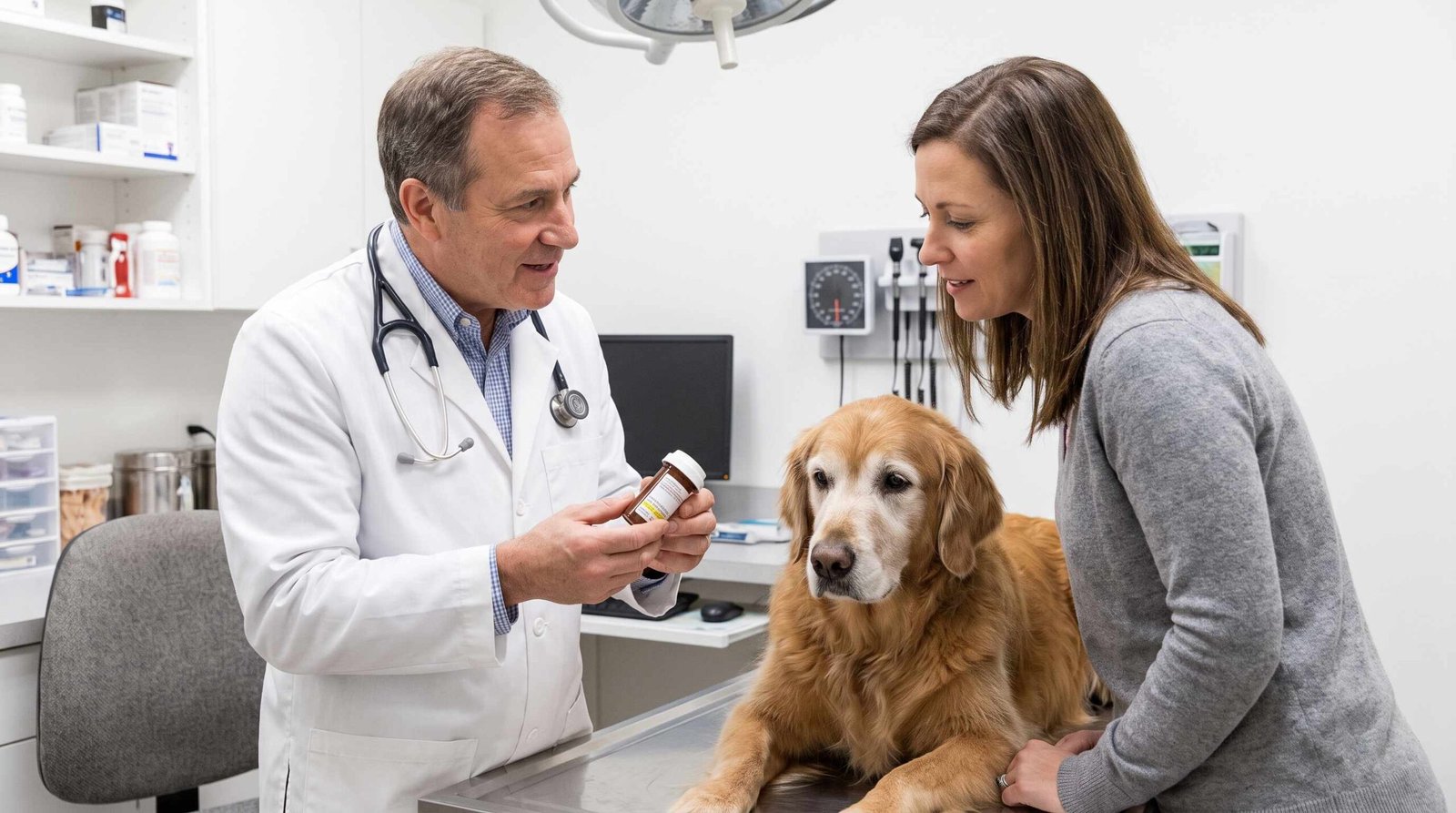
What Is Prednisone, and Why Is It Prescribed for Dogs?
Prednisone is a synthetic glucocorticoid. Structurally and functionally, it resembles cortisol, the stress hormone your dog’s adrenal glands produce every day. Cortisol helps regulate blood sugar, metabolism, and the immune response. Prednisone does the same jobs, only far more strongly.
That extra strength is the point. According to the Merck Veterinary Manual’s review of corticosteroids in animals, glucocorticoids suppress virtually every component of the inflammatory process. They reduce the production of inflammatory signaling molecules, dampen cell-mediated immunity, and decrease the activity of white blood cells. This makes them the most potent anti-inflammatory drugs available in veterinary medicine, and also explains why the list of possible side effects is long.
Think of prednisone as a volume knob. At lower doses it turns down inflammation. At higher doses it turns down the immune system itself, which is exactly what you want when the immune system is attacking the dog’s own body.
Conditions Commonly Treated With Prednisone
Vets reach for prednisone across a wide range of problems:
- Allergic skin disease and atopic dermatitis, where it rapidly relieves itching and limits self-trauma from scratching
- Immune-mediated hemolytic anemia (IMHA), in which the immune system destroys red blood cells
- Immune-mediated thrombocytopenia (ITP), where platelets are destroyed
- Inflammatory bowel disease (IBD) and other chronic gut inflammation
- Spinal cord inflammation and some cases of intervertebral disc disease
- Lymphoma and other cancers, as part of chemotherapy protocols or as palliative care
- Brain swelling associated with tumors or head trauma
- Lupus and other autoimmune diseases, including immune-mediated polyarthritis
- Severe allergic reactions and allergic airway disease
Merck notes that prednisone is well absorbed when given by mouth and is particularly useful when anti-inflammatory treatment is needed for a period of one to several weeks. That is why oral tablets are the standard form for most at-home treatment.
Prednisone for Dogs With Cancer
Cancer is one of the most common reasons a senior dog ends up on prednisone. In lymphoma, prednisone kills some cancerous lymphocytes directly, which is why it appears in multi-drug chemotherapy protocols. For families who decline chemotherapy, prednisone alone is often used as palliative care. It can shrink enlarged lymph nodes, improve appetite, and restore energy for a period of time, though the response is usually temporary.
One point worth raising with your vet: if you think you may pursue chemotherapy later, ask before starting prednisone on its own. Oncologists generally prefer to begin a full protocol before steroids are used alone, because prior steroid exposure may make some lymphomas less responsive to later treatment. For dogs with brain tumors, prednisone helps control swelling around the tumor, which can reduce seizures and neurological signs. For mast cell tumors, it may shrink the tumor and reduce inflammation around it.
Prednisone is a prescription-only medication. Your veterinarian has to examine your dog, confirm the diagnosis, and choose a dose. Never give your dog prednisone prescribed for a person or another pet.
Prednisone vs. Prednisolone for Dogs: What’s the Difference?
This is one of the most misunderstood topics in canine steroid therapy, and it matters more than many owners realize.
Prednisone is a prodrug. On its own, it does almost nothing. It has to travel to the liver, where an enzyme converts it into prednisolone, the active form that actually binds to steroid receptors in the body’s cells. Prednisolone skips that step, because it is already active.
In dogs, this conversion works very well. A 2022 study in the Canadian Veterinary Journal states that hepatic conversion of prednisone to prednisolone is rapid and complete in dogs, allowing the two drugs to be used interchangeably at equivalent dosages. So a healthy dog given 10 mg of prednisone ends up with roughly the same effect as a dog given 10 mg of prednisolone.
Cats are a different story. Cats convert prednisone to prednisolone poorly, so far less of the active drug reaches their bloodstream. For that reason, prednisolone is the correct choice for cats, and prednisone should not be used in them. If you share your home with both species, never assume one pet’s steroid tablets will work for the other.
When Prednisolone Is the Better Choice for a Dog
Even in dogs, some vets favor prednisolone. The main reason is liver health. Because prednisone relies on liver enzymes to become active, the Merck Veterinary Manual notes that prednisone and similar prodrugs are not suited for animals with hepatic insufficiency. Dogs with liver disease, and some senior dogs whose liver function has declined, may get more predictable results from prednisolone.
Availability plays a role too. In the UK and Europe, prednisolone is the standard veterinary product, which is why UK research such as the VetCompass study discussed below involves mostly prednisolone tablets. In the United States, prednisone tablets are cheap and widely stocked, so many American dogs receive prednisone.
| Feature | Prednisone | Prednisolone |
|---|---|---|
| Active or inactive when swallowed | Inactive (prodrug) | Active |
| Liver conversion needed | Yes | No |
| Use in dogs | Yes, widely used | Yes, widely used |
| Use in cats | No, poor conversion | Yes, preferred |
| Interchangeable at the same dose in dogs? | Yes | Yes |
| Better option for dogs with liver disease | Less suitable | Generally preferred |
Prednisone Dosage for Dogs
There is no single “correct” dose of prednisone. The amount depends almost entirely on what your vet is trying to achieve. Treating an itchy skin flare and halting an immune attack on red blood cells are very different goals, and they call for very different doses.
Doses fall into two broad tiers:
- Anti-inflammatory and anti-allergic dosing: 0.5-1.0 mg/kg/day orally. This range is used for itchy skin, allergic airway disease, and mild inflammatory conditions. The Merck Veterinary Manual cites 0.5-1 mg/kg per day for acute atopic or flea allergy dermatitis.
- Immunosuppressive dosing: 2.0-4.0 mg/kg/day. This higher range is used for autoimmune diseases like IMHA, ITP, severe IBD, and immune-mediated polyarthritis. In practice, many specialists now start near 2 mg/kg/day and add a second immunosuppressive drug rather than push higher, as discussed below.
Daily doses may be given once a day or split into two doses. Many vets suggest giving the dose in the morning for dogs, which mirrors the natural daily rhythm of cortisol in dogs and may limit overnight thirst and urination.
Tapering to the Lowest Effective Dose
The starting dose is rarely the dose a dog stays on. Once the disease is under control, your vet will lower the dose step by step, looking for the smallest amount that keeps symptoms away. For longer courses, the goal is often an alternate-day schedule. According to Merck, the adverse effects of long-term treatment (more than 2 weeks) can be reduced with an alternate-day regimen, and once inflammation is controlled with daily prednisone or prednisolone, a gradual change to alternate-day treatment can be made. The “off” day gives the dog’s own adrenal glands a chance to keep working.
Weight-Based Dosing Table
The table below shows daily dose ranges calculated from body weight. These figures are for education only. Your vet may choose a dose outside these ranges based on the diagnosis, your dog’s health, and other medications.
| Dog Weight | Anti-inflammatory Dose Range (0.5-1.0 mg/kg/day) | Immunosuppressive Dose Range (2.0-4.0 mg/kg/day) |
|---|---|---|
| 10 lb (4.5 kg) | 2.25-4.5 mg/day | 9-18 mg/day |
| 25 lb (11.4 kg) | 5.7-11.4 mg/day | 22.7-45.4 mg/day |
| 50 lb (22.7 kg) | 11.4-22.7 mg/day | 45.4-90.7 mg/day* |
| 75 lb (34 kg) | 17-34 mg/day | 68-136 mg/day* |
| 100 lb (45.4 kg) | 22.7-45.4 mg/day | 90.7-181.4 mg/day* |
*The upper end of these immunosuppressive ranges is rarely used in large dogs. See the note below.
Why Big Dogs Often Get Less Per Kilogram
Linear weight-based dosing assumes a 45 kg dog needs exactly ten times the drug a 4.5 kg dog needs. Biology does not quite work that way. Larger dogs have relatively less body surface area and metabolic activity per kilogram, so a straight mg/kg calculation can overdose them.
The 2019 American College of Veterinary Internal Medicine (ACVIM) consensus statement on IMHA addressed this directly. As summarized in the Sri-Jayantha et al. study, the panel suggested that the initial dose of prednisone or prednisolone should not exceed 2.0 mg/kg/day in dogs weighing more than 25 kg (about 55 lb). The authors are careful to point out that this guidance came from panel members’ clinical experience rather than published trials, which is why their own data are useful.
That study followed 61 dogs on immunosuppressive steroids for IMHA or ITP. The findings were striking: the odds of developing muscle atrophy and of developing polyphagia (excessive hunger) each rose by 30% for every additional 5 kg of body weight. Almost half the dogs (44.3%) swung more than 15% from their starting weight during treatment. The authors concluded that standard linear dosing may place heavier dogs at higher risk and that faster tapering or alternative dosing methods may be sensible for large dogs.
The takeaway for owners: if you have a Labrador, shepherd, or other large breed and your vet prescribes a dose that seems low compared with an online calculator, that is probably deliberate. These ranges are a starting point. Your vet sets the actual dose based on the condition, your dog’s weight and body condition, and any other health issues.
Side Effects of Prednisone in Dogs
Nearly every dog on prednisone will show at least some changes. The good news is that most short-term effects are a nuisance rather than a danger, and they ease as the dose comes down. Long-term or high-dose therapy is where the serious risks live.
The best real-world data come from the VetCompass program in the UK. Elkholly and colleagues (2020) reviewed records from 455,557 dogs under primary veterinary care and found that 6.2% received systemic glucocorticoids during the study year, mostly prednisolone tablets. Among a random sample of 3,000 treated dogs, 4.9% had a side effect recorded in their veterinary notes within 31 days, and 65% of those side effects appeared within the first 14 days. That figure reflects what owners reported to their vets, so the true rate of mild effects like increased thirst is almost certainly higher.
Short-Term Side Effects (Within Days to Weeks)
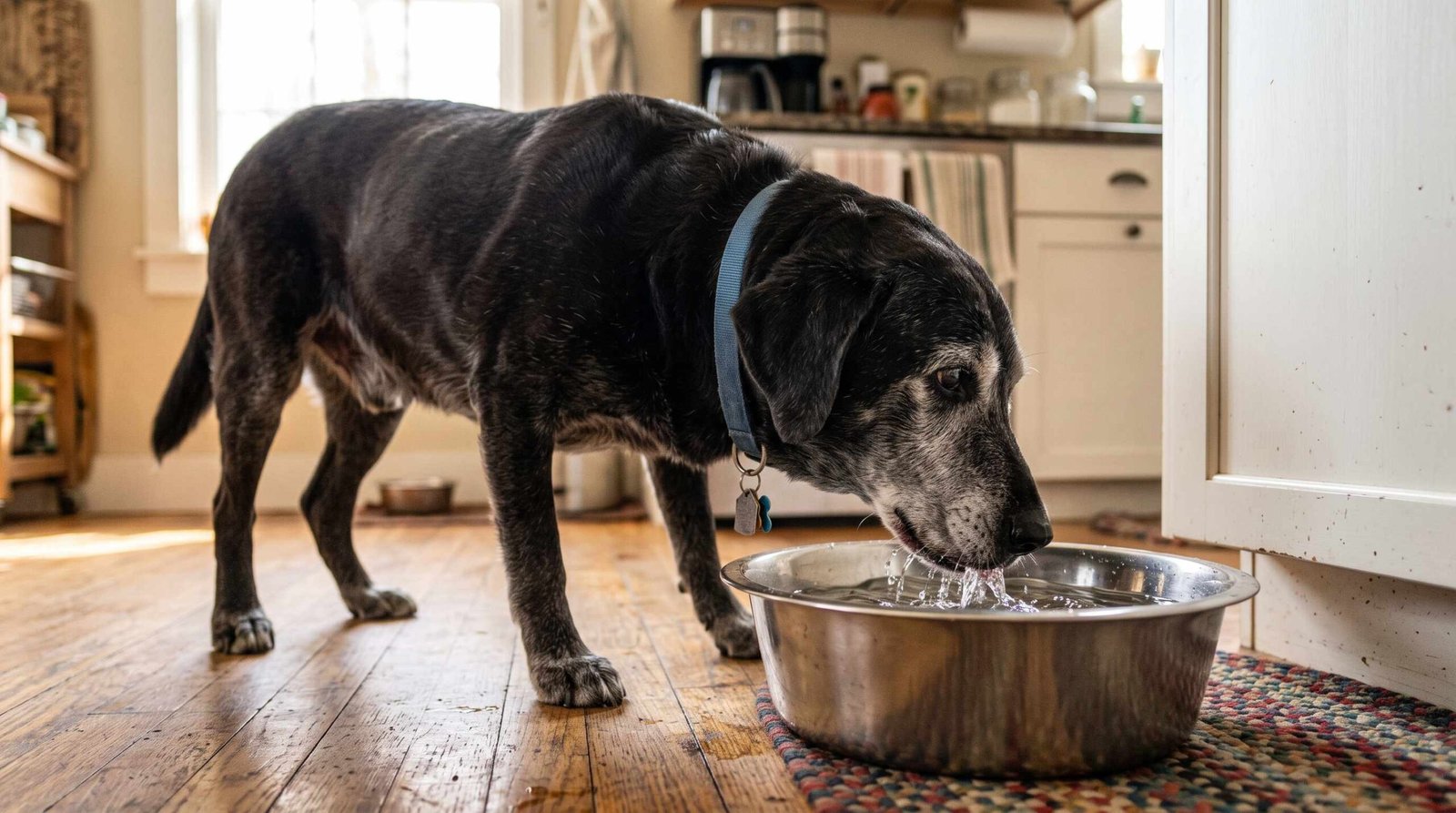
Increased thirst and urination. Polydipsia (drinking more) and polyuria (urinating more) are the classic prednisone signs. In the VetCompass study, polydipsia made up 39.2% and polyuria 28.4% of all recorded side effect signs, making them the most frequent by a wide margin. The Sri-Jayantha paper cites a separate study of dogs with IBD on 2 mg/kg/day in which 80% developed increased thirst and 70% increased urination. Do not restrict water. Instead, offer more outdoor breaks and expect some house-training lapses, especially at night.
Increased appetite. Many dogs become intensely food-motivated, begging, raiding the trash, or counter-surfing. This is a drug effect, not bad behavior.
Panting. Dogs may pant heavily even while resting in a cool room. It is common and usually harmless, though it can be alarming to watch.
Mild behavioral changes. Restlessness, pacing, or mild irritability can show up in some dogs. The Merck Veterinary Manual notes that mood and behavioral changes are well described in people on corticosteroids and may occur in animals as well. Dogs with existing anxiety may seem more unsettled during treatment.
Weight gain. More appetite plus fluid retention and fat redistribution means the scale often creeps up within a few weeks.
Vomiting or diarrhea. These made up 16.2% and 14.9% of recorded side effect signs in the VetCompass data. Giving the tablet with food helps. Black, tarry stool or vomit that looks like coffee grounds is different. Those can signal stomach bleeding and need a call to your vet the same day.
Long-Term or High-Dose Side Effects
Iatrogenic Cushing’s disease (hyperadrenocorticism). This is the most significant long-term risk. “Iatrogenic” means caused by treatment. The Merck Veterinary Manual describes iatrogenic Cushing syndrome as featuring increased thirst and urination, symmetrical hair loss on both sides of the body, increased susceptibility to infection, muscle atrophy, and redistribution of body fat, which produces the typical pot-bellied look. Recurrent skin infections are common.
Liver changes. Steroids cause glycogen to build up in liver cells, leading to an enlarged liver (hepatomegaly) and a pattern called steroid hepatopathy. Bloodwork usually shows a rise in ALP, often a dramatic one, because steroids stimulate production of a specific form of this enzyme. ALT may rise as well. These changes are usually reversible when the dose drops, but they make liver monitoring essential.
Muscle atrophy and weakness. Glucocorticoids break down muscle protein. Dogs may lose muscle over the head, spine, and hind legs. As noted above, heavier dogs are at higher risk.
Bone loss. Steroids reduce calcium absorption and shift bone remodeling toward breakdown. Prolonged high-dose therapy can weaken bones.
Infections, especially urinary tract infections. Suppressing the immune system makes infections more likely and can reactivate dormant ones. Merck notes that UTIs are common in animals on long-term glucocorticoids. In the Sri-Jayantha study, dogs scored as overweight had 4.2 times the odds of being diagnosed with a UTI. Because steroids also blunt fever and discomfort, a UTI may cause few obvious signs.
Gastrointestinal ulceration. Steroids slow the turnover of cells lining the gut and reduce protective prostaglandins. Merck adds that glucocorticoids also potentiate the ulcer-causing effects of NSAIDs, which is why the combination is generally avoided.
Diabetes mellitus. Prednisone raises blood glucose and works against insulin. According to Merck, this can trigger diabetes or worsen it in dogs that already have it.
Thin skin and slow wound healing. Reduced collagen production leaves skin thin, fragile, and slow to heal. Surgical incisions may take longer to close.
Adrenal suppression. Over weeks to months, the adrenal glands shrink because the body no longer needs to make its own cortisol. This is the reason prednisone must be tapered, covered in detail below.
Pancreatitis. Less common, and the link to oral prednisone is debated, but it is occasionally reported, more often with injectable steroids.
Cataracts. Prolonged steroid exposure has been associated with cataract formation in some animals.
Side Effects at a Glance
| Side Effect | Timing | Severity | Notes |
|---|---|---|---|
| Increased thirst/urination | Days | Mild-Moderate | Most common; resolves on dose reduction |
| Increased appetite | Days | Mild | Often leads to weight gain |
| Panting | Days-Weeks | Mild | Can be distressing to owners |
| Vomiting/diarrhea | First weeks | Mild-Moderate | Most resolve on their own |
| Weight gain | Weeks | Moderate | Diet management helps |
| Liver enzyme elevation | Weeks | Mild-Moderate | Usually reversible on dose reduction |
| Muscle atrophy | Months | Moderate | Higher risk in heavier dogs |
| Cushing’s disease | Months-Years | Severe | Dose-dependent; requires steroid taper |
| GI ulceration | Variable | Moderate-Severe | Risk multiplied when NSAIDs co-prescribed |
| Adrenal suppression | Months+ | Severe | Reason tapering is mandatory |
| Diabetes | Months | Severe | Especially in predisposed dogs |
Senior Dog Considerations
Older dogs are among the most frequent prednisone patients. They are more likely to develop cancer, chronic skin and ear disease, IBD, and immune-mediated conditions. They are also the dogs least able to absorb the drug’s downsides without consequence. If your dog is over 8 years old, this section is the most important one in the guide.
Older Dogs Show More Side Effects
This is not speculation. In the VetCompass study, dogs older than 8 years had about 4.2 times the odds of developing increased thirst and urination on systemic glucocorticoids compared with dogs aged 2 years or younger, even after accounting for how the drug was given. For an older dog who may already have weaker bladder control, that difference shows up quickly as nighttime accidents.
Reduced Liver Clearance
Liver function tends to decline with age. Since prednisone depends on the liver to become active and to be cleared, an older liver may convert it less predictably and clear it more slowly, leaving the drug active in the body longer. Many vets start older dogs at the low end of the range or choose prednisolone, which does not need liver activation, as Merck suggests for animals with reduced liver function. Baseline bloodwork before the first dose makes this decision easier.
Pre-Existing Conditions That Change the Picture
Arthritis and NSAIDs. Many senior dogs already live with arthritis or hip dysplasia and take a daily NSAID such as carprofen or meloxicam. Combining prednisone with an NSAID sharply increases the risk of stomach and intestinal ulcers, because, as Merck explains, glucocorticoids amplify the ulcer-causing effects of NSAIDs. Most vets will stop the NSAID and allow a washout period of several days before starting prednisone. Our carprofen for dogs guide covers NSAID risks in more detail. If your vet decides both drugs are truly needed, a GI protectant such as omeprazole is usually added.
Diabetes. Pre-existing diabetes is a relative contraindication. Prednisone pushes blood sugar up and makes insulin less effective, which can destabilize a dog whose diabetes was well controlled. If prednisone is unavoidable, expect closer glucose monitoring and insulin adjustments.
Cushing’s disease. Dogs with naturally occurring hyperadrenocorticism already have too much cortisol. Adding prednisone makes the problem worse, so it should not be given to these dogs.
Heart disease or high blood pressure. Steroids cause sodium and fluid retention. For a dog with mitral valve disease, heart failure, or hypertension, even modest fluid retention can tip the balance. Your vet may monitor breathing rate and blood pressure more closely.
Cognitive dysfunction. Steroids can cause restlessness and behavioral changes. In a dog already living with canine cognitive dysfunction (dog dementia), that may look like more confusion, more nighttime pacing, or agitation. Keep a short daily log so you can show your vet whether behavior changed after the drug started.
Muscle Wasting on Top of Sarcopenia
Senior dogs naturally lose muscle mass with age, a process called sarcopenia. Prednisone speeds that up. For a dog already struggling to rise or climb stairs, losing more hind-leg muscle can affect mobility and quality of life. A few practical steps help:
- Keep up gentle, weight-bearing exercise such as short daily walks, slow hill work, or sit-to-stand repetitions, as long as your vet approves.
- Ask your vet whether your dog’s diet provides enough high-quality protein. Many seniors on steroids benefit from a protein-rich food, unless kidney disease requires otherwise.
- Satisfy steroid hunger with low-calorie options like green beans or extra water added to meals, rather than more kibble.
Bone Health
Long-term corticosteroid use reduces bone density by limiting calcium absorption and favoring bone breakdown. Older dogs, especially those with cancer that has spread to bone, are already at risk of fractures. If your senior dog needs months of steroids, discuss whether the lowest effective dose and alternate-day scheduling can be reached sooner.
More Frequent Bloodwork
We suggest that senior dogs on long-term prednisone have bloodwork every 6-8 weeks, more often than the 3-6 month interval usually used for younger adults. Before starting, a baseline panel should include BUN, creatinine, ALT, ALP, glucose, and a urinalysis. Repeating those values at each check lets your vet spot liver strain, rising glucose, or a silent UTI early.
Drug Interactions to Watch For
Prednisone interacts with several medications commonly used in older dogs. Some interactions are serious enough that the drugs should not be combined at all.
| Drug / Class | Interaction | Risk Level |
|---|---|---|
| NSAIDs (carprofen, meloxicam, aspirin) | GI ulceration risk multiplied; concurrent use is generally avoided | HIGH |
| Ketoconazole (antifungal) | Inhibits prednisone metabolism; blood levels may rise | MODERATE |
| Phenobarbital | Induces liver enzymes; may reduce prednisone efficacy | MODERATE |
| Cyclosporine | Combined immunosuppression; monitor for infection | MODERATE |
| Diuretics (furosemide) | Potassium loss worsened; monitor electrolytes | LOW-MODERATE |
| Live vaccines | Should not be given while on immunosuppressive doses | IMPORTANT NOTE |
| Insulin | Prednisone raises blood glucose; insulin needs may increase | HIGH (diabetic dogs) |
The NSAID interaction is the one that causes the most harm in practice, partly because owners do not always think of aspirin as a “real” medication. The Merck Veterinary Manual lists this potentiation of NSAID ulcer risk specifically. Furosemide matters for heart patients because Merck also notes that steroids can cause low potassium, and many diuretics push potassium lower still.
Before your dog starts prednisone, tell your vet about every medication, supplement, and flea or tick product your dog takes. Include anything from a pharmacy, pet store, or online shop.
Not every pain medication is a problem. Gabapentin is frequently paired with prednisone for dogs with spinal pain, nerve pain, or cancer pain, and the combination is generally considered safe. Our gabapentin for dogs guide explains how it works and what side effects to expect.
Prednisone vs. Other Steroids for Dogs
Being told your dog “needs a steroid” leaves a lot unsaid. Several corticosteroids are used in dogs, and they differ in strength and in how long a single dose lasts.
| Steroid | Type | Duration of Effect | Relative Potency (vs. prednisolone) | Common Use in Dogs |
|---|---|---|---|---|
| Prednisolone | Intermediate | 12-36 hrs | 1x | Allergies, autoimmune disease, IBD |
| Prednisone | Intermediate (prodrug) | 12-36 hrs | 1x | Same as prednisolone; requires liver conversion |
| Dexamethasone | Long-acting | 36-54 hrs | About 5-10x (varies by reference) | Emergency and acute care (brain swelling, shock, acute allergic reactions) |
| Methylprednisolone | Intermediate | 12-36 hrs | About 1-1.25x | Injectable forms; formerly high-dose spinal cord injury |
| Triamcinolone | Intermediate to long-acting (depends on form) | 24-54 hrs; depot injections longer | 1x (oral); about 6x (acetonide) | Skin conditions, joint and lesion injections |
A note on the numbers: potency figures vary between references. The relative potency table in the Merck Veterinary Manual rates prednisone, prednisolone, methylprednisolone, and triamcinolone at 5 times cortisol, triamcinolone acetonide at 30, and dexamethasone at 25, which makes dexamethasone about five times stronger than prednisolone by that measure. Other veterinary formularies place it closer to 7-10 times. Either way, a small dose of dexamethasone packs a large punch, and Merck classifies it as long-acting (about 48-72 hours of effect) versus intermediate (about 24 hours) for prednisolone.
Prednisone and prednisolone are favored for long-term management because their shorter action makes them easier to adjust. If side effects appear, lowering the dose produces a change within a day or two. Their intermediate duration also makes alternate-day dosing possible, which lets the adrenal glands rest and recover between doses. Long-acting steroids like dexamethasone suppress the adrenal glands continuously, so they are generally reserved for emergencies and short-term acute care rather than chronic use. Depot injections such as methylprednisolone acetate can suppress adrenal function for several weeks after a single shot, according to Merck.
Why You Cannot Abruptly Stop Prednisone
This is the single most important safety rule for any dog on a steroid course longer than a couple of weeks.
Under normal conditions, the brain and adrenal glands work as a feedback loop. When cortisol levels drop, the brain signals the adrenal glands to make more. When your dog takes prednisone, the brain senses plenty of steroid in circulation and stops sending that signal. Over weeks to months, the adrenal glands do less work, shrink, and lose some of their capacity to produce cortisol on demand.
Now imagine stopping the tablets suddenly. The external steroid disappears within a day or so, but the shrunken adrenal glands cannot ramp up fast enough to fill the gap. The Merck Veterinary Manual describes what follows as an Addisonian-like crisis: lethargy, weakness, vomiting, and diarrhea, and in severe cases circulatory shock and death. Stopping suddenly can also cause the original disease to flare, sometimes worse than before.
When Is Tapering Needed?
As a general rule, a course longer than 2-4 weeks at anti-inflammatory doses warrants a gradual taper. Any immunosuppressive course requires one, regardless of length. Very short courses of a few days may be stopped without a taper, but only if your vet says so. Merck’s guidance that adverse effects rise after about 2 weeks of treatment is a useful reference point for when the adrenal glands start to adapt.
Example Tapering Schedule
This is general guidance only. Your vet will build a schedule around your dog’s disease, dose, and response. Immunosuppressive tapers for IMHA or ITP often run for several months, with bloodwork before each reduction.
| Phase | Example Dose Reduction | Duration |
|---|---|---|
| Initial | Reduce by 25-50% | 1-2 weeks |
| Middle | Reduce to alternate-day dosing | 2-4 weeks |
| Final | Reduce alternate-day dose by half | 1-2 weeks |
| Discontinue | Only when lowest effective dose achieved | – |
Never skip doses or stop prednisone on your own, even if your dog seems completely better or the side effects are frustrating. If side effects are hard to live with, call your vet. They can often speed up the taper safely or add another drug that allows a lower steroid dose. During and shortly after a taper, watch for lethargy, poor appetite, vomiting, or weakness, and report them promptly.
Monitoring Your Dog on Prednisone
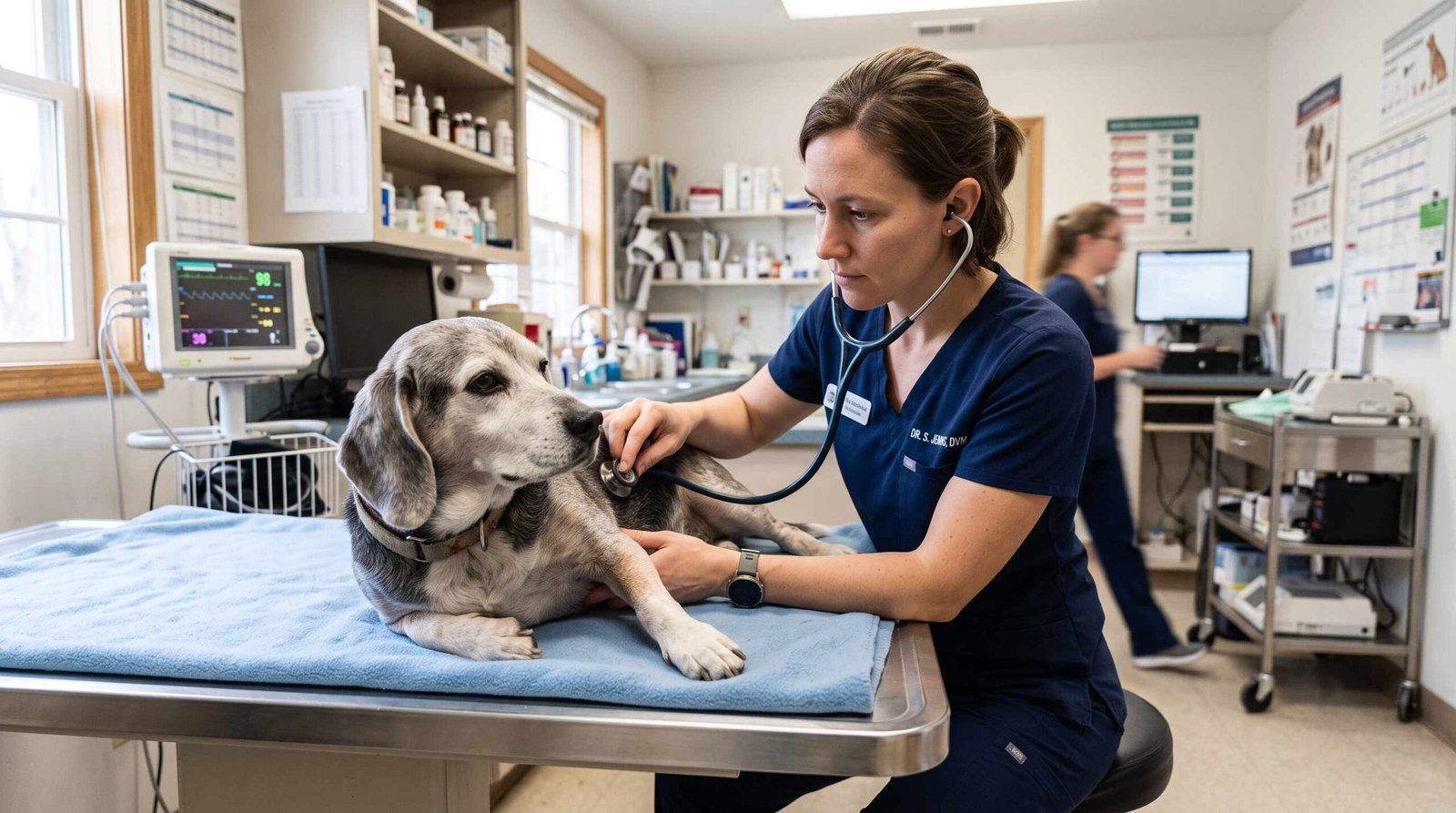
Short courses for a skin flare may need nothing more than a recheck visit. Long-term therapy is different, because many of the serious side effects, such as liver changes, rising glucose, and silent UTIs, cause no outward signs until they are advanced.
| Test | When | What to Watch |
|---|---|---|
| Bloodwork (CBC, chemistry) | Before starting, then every 3-6 months (every 6-8 weeks for seniors) | ALT, ALP (liver), BUN/creatinine, glucose |
| Urinalysis | Before starting, then every 3-6 months | UTI screening, urine concentration |
| Blood pressure | At each recheck | Mild hypertension is common |
| Body weight | Monthly | Weight gain, muscle loss |
| Behavior check | Ongoing at home | Thirst, urination, appetite, panting, behavioral changes |
A urine culture, not just a dipstick, is often worth doing in dogs on long-term steroids. Because prednisone suppresses inflammation, a dog can have a bladder infection with very few white blood cells in the urine and no obvious discomfort.
What to Report to Your Vet Promptly
- Heavy panting at rest that is new or getting worse
- Black, tarry stool, blood in the stool, or vomit that looks like coffee grounds
- Sudden behavioral changes, confusion, or aggression
- Signs of infection: hot or swollen skin, eye or nasal discharge, coughing, straining or pain when urinating
- Weakness, collapse, or refusal to eat, especially during a taper
- Pale gums or rapid breathing in dogs being treated for IMHA
We suggest that any dog on long-term prednisone see the vet at least every 3-6 months, and more often for seniors or dogs on immunosuppressive doses.
Frequently Asked Questions
Can I give my dog prednisone without a vet prescription?
No. Prednisone is a prescription drug for good reason. The right dose varies four-fold or more depending on whether your vet is treating an allergy or an autoimmune disease, and prednisone can be dangerous for dogs with diabetes, Cushing’s disease, stomach ulcers, certain infections, or those already taking NSAIDs. Using human tablets or leftover pills from another pet can also mask symptoms of a serious illness, making diagnosis harder later. Always have your dog examined first.
How quickly does prednisone work in dogs?
Prednisone acts fast. For itchy skin and allergic reactions, many owners see relief within hours to a day or two. Inflammatory and immune-mediated conditions often take several days to a couple of weeks to show clear improvement, and conditions like IMHA are tracked with bloodwork rather than appearance alone. Side effects such as increased thirst and appetite also tend to appear within the first few days.
Can my dog eat normally while on prednisone?
Yes, and giving prednisone with a meal is a good idea because it reduces the chance of stomach upset. Your dog will probably act hungrier than usual, but feeding extra can lead to rapid weight gain, which makes muscle loss and joint strain worse. Stick to your dog’s normal portions and use low-calorie fillers like plain green beans if begging becomes intense. Always provide unlimited fresh water, since thirst rises sharply on steroids.
What is the difference between prednisone and prednisolone for dogs?
Prednisone is an inactive prodrug that the liver converts into prednisolone, the active form. In dogs, that conversion is rapid and complete, so the two drugs can be used interchangeably at the same dose. Prednisolone is often preferred for dogs with liver disease because it does not need liver activation. Cats convert prednisone poorly, so they should receive prednisolone instead.
Can prednisone cause my dog to gain weight?
Yes, weight gain is one of the most common effects of prednisone. It comes from increased appetite, fluid retention, and a shift of fat toward the abdomen, which creates a pot-bellied look. Research also shows that heavier and overweight dogs tend to have more side effects, including more muscle loss and a higher risk of urinary tract infections. Controlling portions and keeping up gentle exercise helps, and most dogs lose the extra weight once the dose is tapered.
My dog has been on prednisone for months. What should I watch for?
Watch for signs of iatrogenic Cushing’s disease: symmetrical hair loss, a pot belly, thin skin, muscle loss over the head and back legs, and recurrent skin or ear infections. Also look out for increased weakness, signs of a urinary tract infection, black stool, or a sudden increase in thirst that might signal diabetes. Dogs on long-term therapy need regular bloodwork and urine testing, every 3-6 months for most adults and every 6-8 weeks for seniors. Ask your vet whether a slow taper to the lowest effective alternate-day dose is possible, and never stop the drug suddenly.
Is it safe to give my dog prednisone and carprofen at the same time?
Generally, no. Steroids amplify the ulcer-causing effects of NSAIDs like carprofen, meloxicam, and aspirin, so giving them together sharply raises the risk of stomach and intestinal ulcers. Most vets stop the NSAID and wait several days before starting prednisone, then manage pain with other options such as gabapentin in the meantime. If your dog takes carprofen for arthritis, read our carprofen for dogs guide and our arthritis in dogs guide, and see our gabapentin guide for an alternative that is generally safe alongside prednisone. Only combine these drugs if your vet specifically directs it, usually with a stomach protectant added.
This article is for educational purposes and does not replace advice from your veterinarian. Always follow your vet’s dosing and tapering instructions for your individual dog.